One hepatitis delta virus player (HDV) has dropped out after Eiger Biopharmaceuticals Inc.’s phase III effort with peginterferon lambda turned up safety issues, while others remain busy in a space highlighted during last November’s meeting of the American Association for the Study of Liver Diseases. Shares of Palo Alto, Calif.-based Eiger (NASDAQ:EIGR) closed Sept. 13 at 41 cents, down 28 cents, or 40.6%, on word that the company is stopping the Limt-2 study in patients with chronic HDV.
Brii Biosciences Ltd.’s therapeutic vaccine for hepatitis B (HBV), BRII-179 (VBI-2601), induced functional immune responses – inducing broad antibody and T-cell responses – in patients with chronic HBV in a phase II trial that evaluated the vaccine in combination with pegylated interferon-alfa, according to interim results.
Wall Street’s hoped-for phase III derisking event from Insmed Inc. materialized, and shares of the firm (NASDAQ:INSM) closed Sept. 5 at $26.37, up $3.73, or 16.5%, on positive top-line results from the study called Arise with inhaled Arikayce (amikacin) in patients with newly diagnosed or recurrent nontuberculous mycobacterial lung infection by Mycobacterium avium complex (MAC) who had not started antibiotics. “We crushed it” on culture conversion with Arikayce, CEO William Lewis said. “We could not be happier about the results of this study. It exceeded all of our expectations on every front.”
Omnix Medical Ltd. is gearing up for a phase II trial next year of its novel peptide-based antibiotic OMN-6, the lead compound in a pipeline inspired by the antimicrobial strategies of insects.
About two weeks after chikungunya virus (CHIKV) vaccine contender Bavarian Nordic A/S provided phase III data with its prospect, rival Valneva SE rolled out positive phase III safety findings in adolescents with its single-dose candidate VLA-1553. Results from the Saint-Herblain, France-based company’s first trial in an endemic area with people previously infected with CHIKV showed the product was generally safe and well-tolerated in subjects aged 12-17 years, regardless of previous infection by the mosquito-borne disease, carried mainly by Aedes aegypti and Aedes albopictus. Immunogenicity data from the study are expected in November.
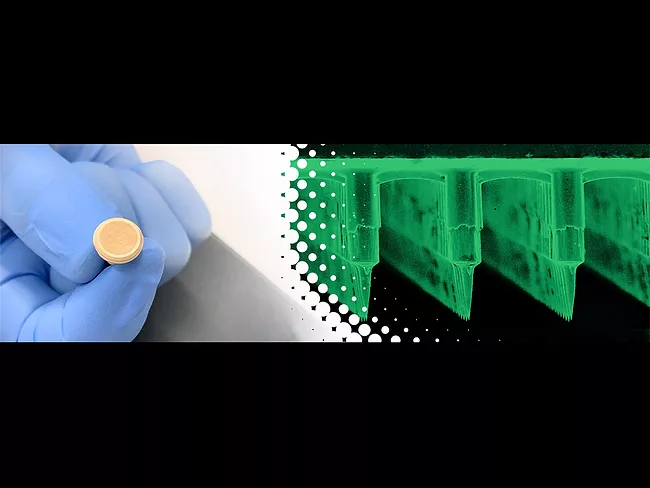
SK Bioscience Co. Ltd. and Vaxxas Pty. Ltd. have entered into a joint development agreement that could revolutionize vaccines by developing a vaccine-delivery device combination product using Vaxxas’ high-density microarray patch (HD-MAP) coupled with SK Bioscience’s typhoid vaccine, Skytyphoid.
The COVID-19 pandemic might be officially over, but future variants could still pose a threat, and serious health consequences of the causative virus continue to arise, a fact that has prompted the U.S. government to offer Regeneron Pharmaceuticals Inc. about $326 million to develop and manufacture a next-generation COVID-19 monoclonal antibody therapy.
A newly discovered antibiotic has been shown to block the synthesis of bacterial cell walls via immutable targets, raising the prospect of a class of drugs that will not lose effect through the development of antimicrobial resistance. Clovibactin, isolated from soil bacteria, targets the cell wall precursor molecules lipid II, lipid III and undecaprenyl phosphate (C55PP), all of which have a pyrophosphate group in common.
The U.S. FDA approved Pfizer Inc.’s respiratory syncytial virus (RSV) prophylactic, Abrysvo (RSVpreF) for maternal use, providing pregnant women with the option of protecting their newborns up to the age of 6 months against RSV for the first time. The regulator’s Vaccines and Related Biological Products Advisory Committee voted 14-0 in favor of approving the BLA for maternal use of the vaccine in May, a few weeks before the agency gave it the go-ahead for use in older adults (those ages 60 and older).
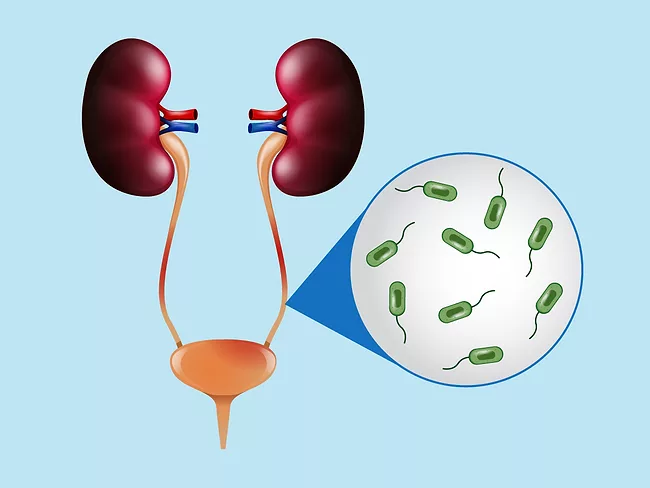
Venatorx Pharmaceuticals Inc. on Aug. 15 said the U.S. FDA accepted its NDA for an intravenous antibiotic combination, cefepime-taniborbactam, to treat complicated urinary tract infection (cUTI), including acute pyelonephritis.
 RSS
RSS