Following Therapeutic Goods Administration approval of its first-generation donor-derived microbiome-based therapy, Biomictra, for recurrent Clostridioides difficile infection, Australia’s Biomebank is scaling up to meet increasing global demand for fecal microbiota products and is developing a more scalable second-generation synthetic product.
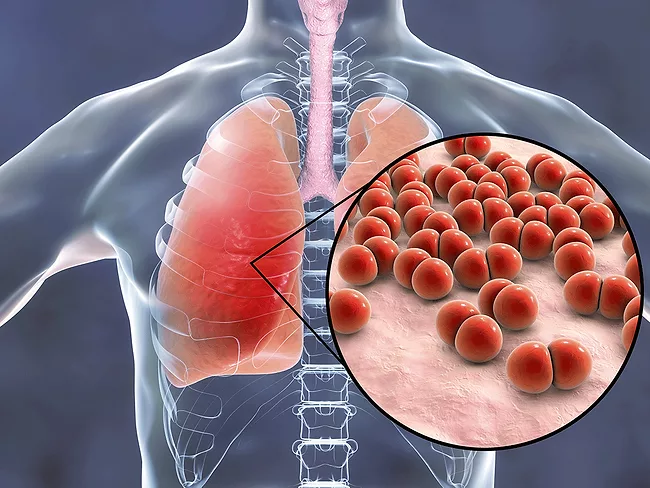
Although strides have been made in the space, biopharma’s hunt for a wider net to cast in vaccines for pneumococcal disease has recruited the likes of Vaxcyte Inc., GSK plc and Merck & Co. Inc., each racing for a candidate with improved valence.
The success of the U.K. COVID-19 genomics consortium in large-scale sequencing, tracking variants of concern, establishing rates of transmissibility and informing public health decision-making during the pandemic, is to be extended to the monitoring of other respiratory viruses.
Raynovent Biotech Co. Ltd. has raised ¥370 million (US$54 million) in a series C round to further develop candidates in the field of respiratory and metabolic diseases. Funds will be used to accelerate clinical trials of lead candidates in its pipeline, as well as to prepare for the commercialization of oral pills to treat COVID-19 and influenza A virus.
After comparing the response to the two types of vaccines for the respiratory syncytial virus (RSV) based on its fusion protein (F), prefusion (pre-F) versus postfusion (post-F) vaccines, scientists at the National Institutes of Health (NIH) and Astrazeneca plc have demonstrated that targeting the pre-F protein led to better protection. No more bets on RSV immunization based on the post-F protein of the virus. Laboratories can now bet all on red for the pre-F technology.
Takeda Pharmaceutical Co. Ltd.'s oral antiviral, maribavir, failed to meet the primary endpoint of noninferiority compared to Roche Holding AG’s valganciclovir in the phase III Aurora study for cytomegalovirus (CMV) infection in hematopoietic stem cell transplant recipients. The multicenter, randomized, double-blind, double-dummy, active-controlled study was to form the basis for a future label expansion for the therapy.
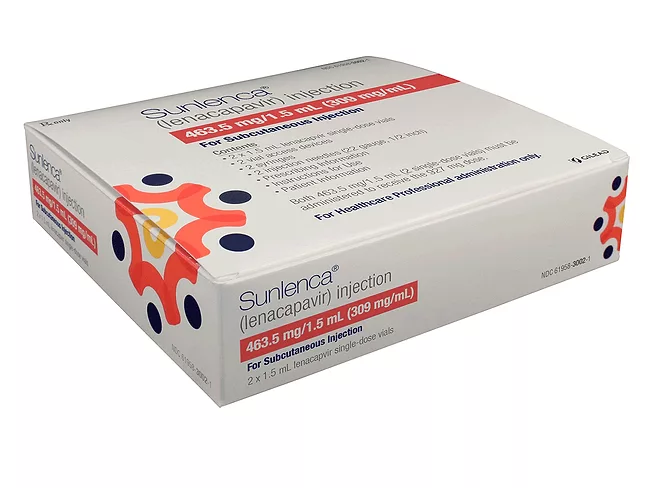
Viral specialist Gilead Sciences Inc.’s U.S. FDA clearance for twice-yearly Sunlenca (lenacapavir) in combination with other antiretroviral therapies for HIV-1 infection provides heavily treatment-experienced patients a new option, and gives the company room to flex with new add-ons.
Pfizer Inc. has acquired rights to respiratory syncytial virus (RSV) drug candidate sisunatovir from Lianbio Co. Ltd. in a deal worth up to $155 million covering development and commercialization rights in mainland China, Hong Kong, Macau and Singapore. With this agreement, Pfizer now holds global development and commercialization rights to the candidate, an orally administered fusion inhibitor is designed to block RSV replication by inhibiting F-mediated fusion with the host cell.
Given all the advances that have been made over the past decade, the U.S. FDA decided to issue a new draft guidance on developing antibacterial drugs to treat pulmonary tuberculosis (TB) rather than finalize the draft it issued in 2013. In releasing the new draft, the agency cited advancements made in nonclinical models, streamlined clinical development programs and growing interest in treatment-shortening combination regimens.
Top-line primary data from week 48 of Eiger Biopharmaceuticals Inc.'s phase III D-LIVR study of lonafarnib, a prenylation inhibitor for treating chronic hepatitis delta virus, also known as hepatitis D, hit statistical significance vs. a placebo in the composite primary endpoint.

 RSS
RSS