Aridis Pharmaceuticals Inc. has taken a few knocks in the past year but its new agreement with the U.S. FDA is giving it an opportunity to move forward. The company’s stock (NASDAQ:ARDS) rose 115% on May 31 to close at 39 cents per share as the company and agency agreed on the design of a single confirmatory phase III superiority study of AR-301 (tosatoxumab), an adjunctive therapy for treating pneumonia caused by gram-positive bacteria Staphylococcus aureus in mechanically ventilated hospitalized patients.
A week ahead of its May 29 PDUFA date, the U.S. FDA has approved Xacduro (sulbactam for injection; durlobactam for injection) for treating one of the toughest and most deadly infections, carbapenem-resistant Acinetobacter baumannii, in adults.
While pricing a $67.8 million registered direct offering, Icosavax Inc. also released positive top-line interim data from a phase I study of IVX-A12 against respiratory syncytial virus (RSV) and human metapneumovirus in older adults.
Nanjing Sanhome Pharmaceutical Co. Ltd.’s Shengnuodi (alfosbuvir tablets), used as part of a combination treatment for hepatitis C, has been approved by China’s National Medical Products Administration (NMPA) through the priority review and approval procedure.
Efficacy data for Pfizer Inc.’s respiratory syncytial virus (RSV) vaccine proved convincing for members of the U.S. FDA’s Vaccines and Related Biological Products Advisory Committee, which voted 14-0 May 18 in favor of Abrysvo’s effectiveness when administered during the second or third trimester of pregnancy to protect infants from birth to 6 months, with the adcom endorsing safety data in a 10-4 vote.
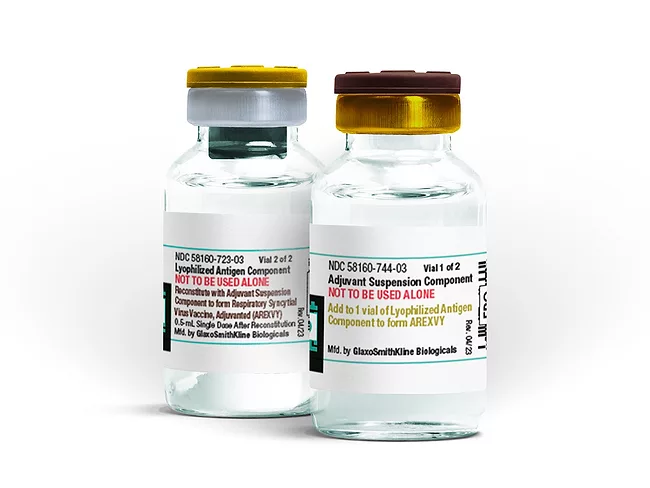
With GSK plc’s Arexvy approved in the U.S. as the first respiratory syncytial virus (RSV) vaccine, several other developers are lining up for what in five years could be a $10 billion market. Their aim is to provide lasting protection for those most susceptible to the endemic virus, particularly young children and those older than 60. Behind GSK is Pfizer Inc. with PF-06928316, which has a U.S. FDA PDUFA date set for this month, and Sanofi SA’s nirsevimab, for which FDA action is expected in the third quarter.
Beijing Luzhu Biotechnology Co. Ltd. raised a net HK$242 million (US$31 million) from an IPO in Hong Kong but shares in the developer of vaccines and therapeutics for infectious diseases, cancer and autoimmune diseases plummeted on the first day of trading. Luzhu’s shares (HK:2480) started trading on May 8 at HK$31.50 and fell about 30% throughout the day to close at HK$22. Founded in 2001, Luzhu has yet to turn a profit. It recorded net losses of ¥725.2 million (US$92 million) in 2022 and ¥539.4 million in 2021.
The U.S. FDA has approved the country’s first-ever respiratory syncytial virus (RSV) vaccine, Arexvy, from GSK plc. The adjuvanted vaccine is also the first for older adults anywhere on the planet. GSK now has a head start to vaccinate the U.S. market, but other big companies, such as Sanofi SA and especially Pfizer Inc., are in late-stage development and will pose strong challenges in the coming year. Pfizer’s PF-0692831/RSVpreF, an RSV vaccine for treating lower respiratory tract disease caused by RSV, has a priority BLA with a May 31 PDUFA date.
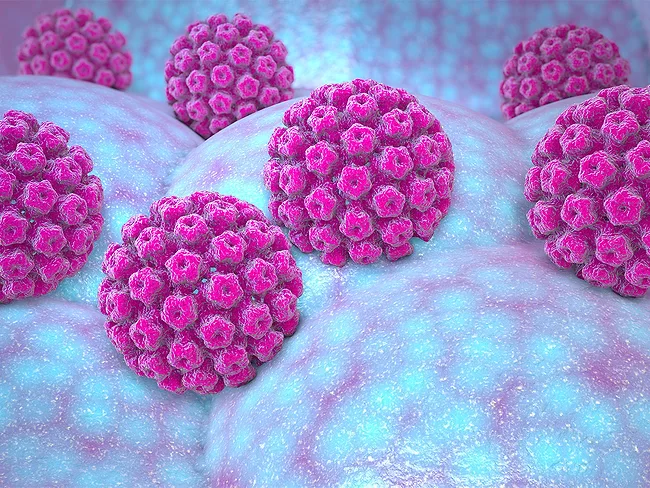
A precancerous condition caused by the human papillomavirus (HPV) affects up to 300,000 American women who are diagnosed each year, and yet there are no treatments, just preventive vaccines introduced in 2006 – targeted to younger generations prior to the first sexual encounter. That leaves a large proportion of the female population stuck with a “wait-and-see” approach that involves continuous monitoring of their HPV infection through pap smears to detect cellular changes that could lead to cervical cancer. South San Francisco-based Antiva Biosciences Inc. is seeking to find a better response to this condition known as high-grade cervical intraepithelial neoplasia (CIN2,3) with its lead topical therapeutic, ABI-2280, a prodrug of an acyclic nucleoside phosphonate that is currently in phase I trials.
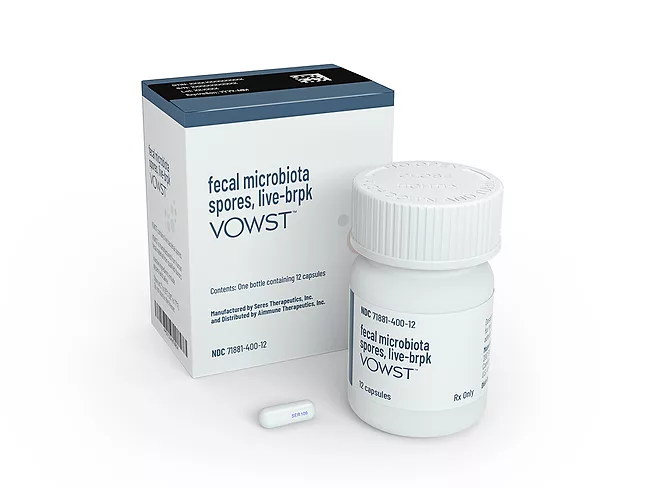
The supply chain for Seres Therapeutics Inc.’s oral microbiome therapeutic Vowst, formerly known as SER-109, to prevent recurrent Clostridium difficile infection (rCDI) is “well-established,” said David Arkowitz, the firm’s chief financial officer and head of business development. “It’s the same supply chain that we used for phase III [trials], and we’ve been manufacturing product for launch for some time.” Arkowitz spoke during a conference call with investors April 27, regarding the previous day’s U.S. FDA go-ahead for Vowst, cleared for adults with rCDI, including first recurrence following antibacterial therapy.
 RSS
RSS