Shanghai Yidi Biotechnology Co. Ltd. has identified dihydrothienopyrimidine compounds acting as phosphodiesterase PDE4B2 and/or phosphodiesterase PDE4D2 inhibitors reported to be useful for the treatment of autoimmune disorders, metabolic diseases, neurological diseases and inflammatory disorders.
Work at LG Chem Ltd. has led to the development of novel benzimidazolone derivatives acting as ectonucleotide pyrophosphatase/phosphodiesterase family member 2 (ENPP2; autotaxin) inhibitors potentially useful for the treatment of cancer and fibrosis.
Researchers from Phoenixlab, The Scripps Research Institute and affiliated organizations presented the discovery of a novel bivalent protease-activated receptor PAR1- and PAR3-derived peptide, named biparetide, being developed for the treatment of inflammatory bowel disease (IBD).
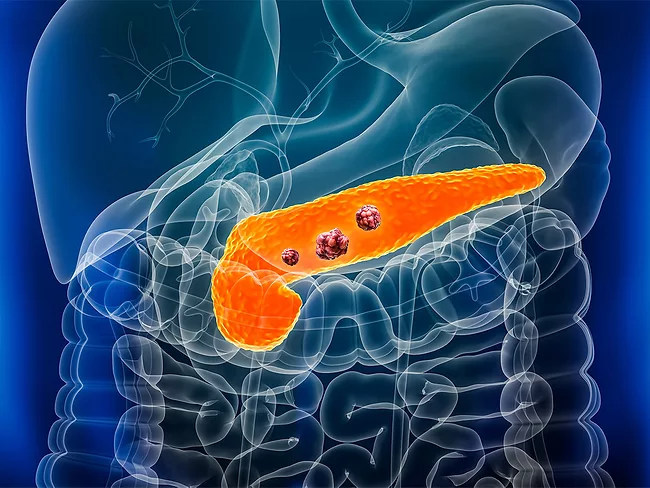
Repeated RNA elements have a virus-like behavior in the cells that express them. Furthermore, they could confer a novel mode of tumor expansion based on changes in cellular states. “About 10 years ago, we had identified that these repetitive elements were highly expressed in pancreas cancer,” co-senior author David Ting, associate professor of medicine and assistant physician at the Mass General Cancer Center at Harvard Medical School, told BioWorld.
Paragon Therapeutics Inc. and Spyre Therapeutics Inc. jointly presented preclinical data for the novel extended half-life humanized anti-IL-23 monoclonal antibody (MAb), SPY-003, being developed for the treatment of inflammatory bowel disease (IBD).
Researchers from Xencor Inc. presented the discovery and preclinical characterization of XmAb-942, a novel high-affinity anti-TL1A monoclonal antibody (MAb) being developed for the treatment of inflammatory bowel disease (IBD).
Molecure SA has signed an exclusive licensing agreement with Ocean Biomedical Inc. for the development and commercialization of a selective YKL-40 inhibitor program, including the lead molecule OAT-3912.
Artelo Biosciences Inc. has presented data on its fatty acid-binding protein 5 (FABP5) inhibitor ART-26.12 from testing of its efficacy in preclinical models of psoriasis.
Researchers from Teva Pharmaceutical Industries Ltd. have presented data from preclinical studies evaluating the novel humanized human-proteinase‑activated receptor 2 (PAR2)-specific monoclonal antibody, TEV-56192, as potential treatment of skin inflammatory conditions.
Shanghai Qilu Pharmaceutical Research and Development Centre Ltd. has identified proteolysis targeting chimeras (PROTACs) comprising an E3 ubiquitin ligase cereblon (CRBN)-binding moiety coupled to an interleukin-1 receptor-associated kinase 4 (IRAK-4)-targeting moiety through a linker.

 RSS
RSS