The promise of mesenchymal stem cells (MSCs) to heal heart disease could be around the corner thanks to a new delivery method tested by regenerative medicine company Cynata Therapeutics Ltd.
Researchers have developed a new compound that can prevent long COVID symptoms in mice that could lead to a future drug for the debilitating condition in humans. Developed by researchers at the Walter and Eliza Hall Institute of Medical Research (WEHI) in Melbourne, the world-first study found mice treated with the antiviral compound were protected from long-term brain and lung dysfunction, which are key symptoms of long COVID.
Multisystem inflammatory syndrome in children (MIS-C), a serious disorder that develops after SARS-CoV-2 infection, could arise from latent infection of another pathogen, the Epstein-Barr virus (EBV). Researchers at Charité – Universitätsmedizin Berlin and the German Rheumatology Research Center (DRFZ) have linked the inflammatory effect of this co-infection with transforming growth factor β (TGF-β), ruling out the possibility that MIS-C is caused by an autoimmune reaction, or persistence of the coronavirus in the body.
China’s health regulator gave conditional approval to Platinum Life Excellence Biotech Co. Ltd.’s amimestrocel injection (hUC-MSC PLEB-001, Ruibosheng) as the nation’s first human umbilical cord-derived mesenchymal stem cell therapy to treat steroid-refractory acute graft-vs.-host disease on Jan. 2, 2025.
Relation Therapeutics Ltd. has delivered the first commercial validation of its combined wet lab/in silico platform for homing in on disease-related genes in the thick of the genome, signing two collaboration agreements with GSK plc, with a potential value of $200 million per target.
Endometriosis has been woefully under-recognized in the medical community, and consequently, the delay between onset and diagnosis is often quite long, with some women waiting up to 12 years for a diagnosis.
Increased life expectancy also comes with age-related diseases. But what causes one to age? Although there is no single answer, scientists at Duke-National University of Singapore have shown in mice that interleukin-11 (IL-11) promoted aging. Blocking it improved health and lifespan.
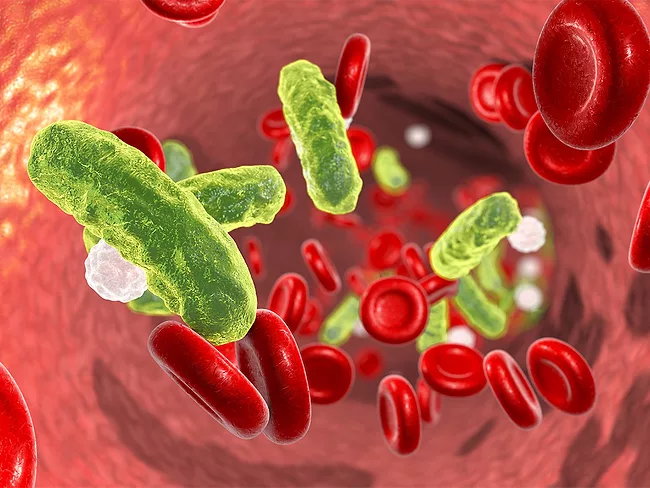
New research has pinpointed gene signatures that determine what immune responses will be activated in the development of sepsis, pointing to novel targets and opening the way for the stratification of clinical trials and for patients to be treated on the basis of their immune response, rather than their symptoms.
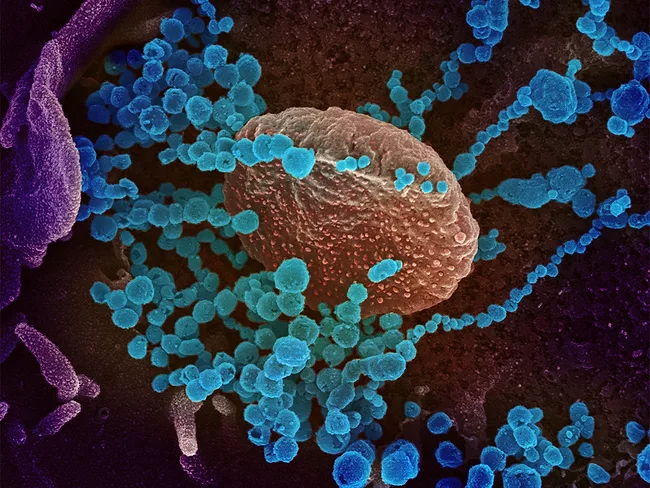
SARS-CoV-2 could proliferate in the lungs causing severe COVID-19 through a special type of immune cell. A group of scientists from Stanford University observed how this coronavirus infected interstitial macrophages through a CD209 receptor, triggering the inflammatory response observed in hospitalized patients.
 RSS
RSS