Merck KGaA is partnering with Neuroloop GmbH, a subsidiary of B. Braun SE, to develop a neurostimulator device that can complement existing drug therapies for people with chronic inflammatory diseases. The collaboration aims to adapt Neuroloop’s neurostimulation platform to enable targeted treatment of chronic inflammatory ailments. The new bioelectronics program intends to open up new technologies and markets that are close to Merck’s electronics and health care business sectors.
The Human Skin Cell Atlas, comprising transcriptomes of 528,253 single cells, shows that cellular processes involved in skin development in embryos are reactivated in inflammatory skin diseases. In addition to suggesting potential new drug targets for atopic dermatitis and psoriasis, the transcriptomes provide a new route to understanding other inflammatory diseases, and provide a template for culturing skin for wound repair, according to the authors of a paper published in the Jan. 22, 2021, issue of Science.
Neurotech startup Nēsos Corp. has emerged from stealth with a novel approach for the treatment of rheumatoid arthritis. Using wireless earbuds, the technology delivers electrical fields to targeted areas of the brain to help regulate immune function. The company recently raised $16.5 million in a series A round to advance clinical development of its first e-immunotherapy product.
Researchers at the Feinstein Institutes for Medical Research, the research arm of New York-based Northwell Health, illuminated the precise pathway from the brainstem to the spleen that controls inflammation in a study published in the Proceedings of the National Academy of Sciences of the United States of America (PNAS). Essentially, the work demonstrates how scientists could use the vagus nerve to hack the immune system, enabling them to turn down the excessive response that underlies autoimmune disease without the use of biologics or immunosuppressive drugs.
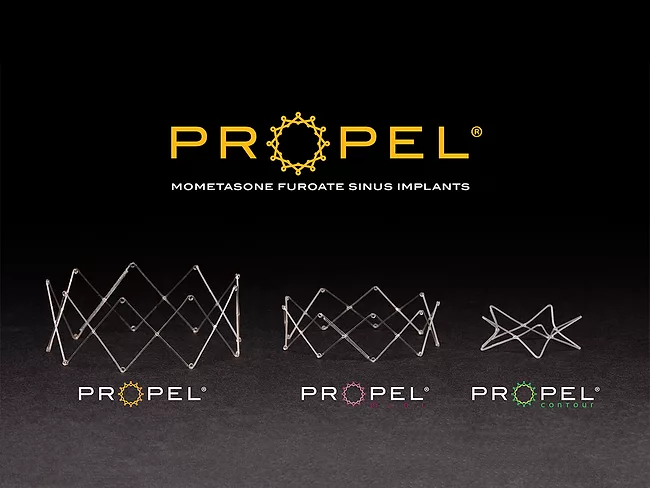
Intersect ENT Inc., a sinusitis implant company, reported $22.7 million in third quarter revenue, driven largely by a rebound in procedures with its Propel implants for chronic rhinosinusitis. This figure marks a 6% decline from the $24.1 million reported in the third quarter of 2019.
Anthony Wynshaw-Boris, professor and chair of the department of genetics and genome sciences at Case Western Reserve University School of Medicine, set a positive tone in his opening talk at the 2020 annual meeting of the American Society of Human Genetics (ASHG). "This is guaranteed to be the best-ever virtual ASHG annual meeting," he told the audience. The opening plenary abstract session, for one, did not disappoint. It began with the definition of a new disease, identified through a new approach, and possibly leading to a new way to think about rheumatic diseases.
 RSS
RSS