Innovacell Inc. launched a ¥14.16 billion (US$91.2 million) stock sale on the Tokyo Stock Exchange Feb. 24, ending a near two-year lull of biotech listings in Japan while signaling a dynamic year ahead for cell-based therapeutics.
Med-tech companies with an AI component in their solutions will certainly find investors willing to back them. AI after all, is being used to develop more effective, smarter technologies. However, investors will only deploy capital into innovations that address genuine clinical needs. The aging population is driving interest in devices targeting cardiovascular and musculoskeletal disorders, and other solutions geared toward neurological conditions, women’s health and diagnostics are also attracting investor attention.
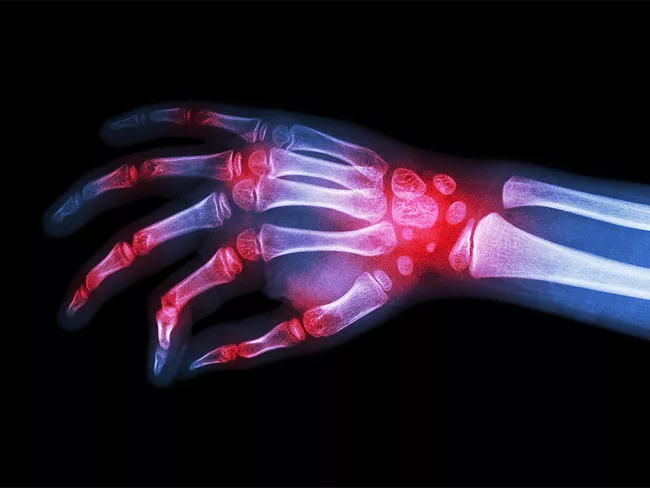
In the inflamed joints of rheumatoid arthritis, CD4+ T lymphocytes accumulate lipid droplets that make them vulnerable and promote their death, thereby amplifying joint inflammation. A study led by scientists at Mayo Clinic and Stanford University suggests that blocking the formation of these lipid droplets or their contents could offer a therapeutic strategy for this condition.
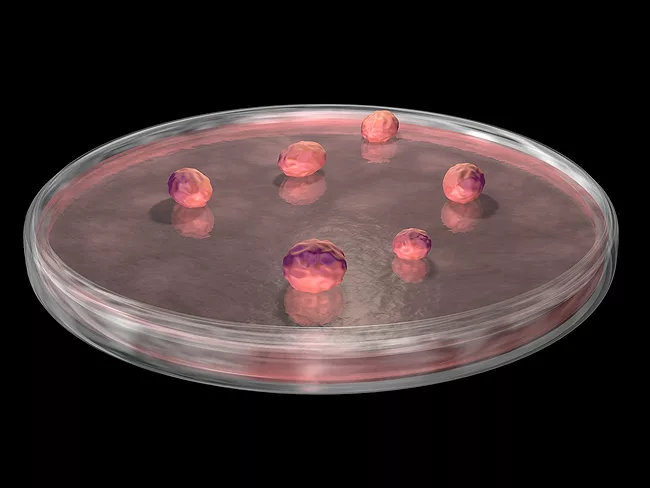
The variety of organoids that can be developed in vitro is enabling major advances. Depending on the type of tissues and the research goals, these small 3D cell-based structures that mimic real tissue offer certain advantages over animal models. Scientists at the University of Padova in Italy have created human neuromuscular organoids to reproduce cancer-induced muscle cachexia, a condition that murine models do not accurately replicate.
Bridgebio Pharma Inc. kept the phase III wins coming, this time with positive top-line results from Propel 3, the global phase III pivotal study of oral infigratinib, designed to inhibit FGFR3 signaling in children with achondroplasia.
Genentech Inc. is covering more bases in multiple sclerosis, with its latest swing on fenebrutinib hitting a rare phase III noninferiority win against Ocrevus (ocrelizumab) in primary progressive multiple sclerosis.
Researchers from the University of São Paulo (Brazil) first proposed using eccentric training as a promising intervention to address musculoskeletal impairments associated with Marfan syndrome. Eccentric training is a form of resistance exercise that focuses on muscle lengthening under load and can induce robust skeletal muscle adaptations, including the attenuation of muscle wasting, promotion of myofiber hypertrophy and stimulation of satellite cell activation and proliferation, as previously demonstrated.
After a roller coaster of a year for Duchenne muscular dystrophy (DMD) gene therapy Elevidys (delandistrogene moxeparvovec), Sarepta Therapeutics Inc. looks to focus on the efficacy narrative in 2026, starting with newly unveiled three-year data showing durable efficacy across all key motor function assessments for treated DMD patients vs. external controls.
Hisamitsu Pharmaceutical Co. Inc. President and CEO Kazuhide Nakatomi is leading a management buyout to take the company private, citing mounting drug pricing pressures and tougher listing requirements on the Tokyo Stock Exchange.
Two phase III studies of setrusumab, Orbit and Cosmic, for treating brittle bones have failed and left the developers floundering on Wall Street. Neither of Ultragenyx Pharmaceutical Inc. and Mereo Biopharma Group plc’s studies of the monoclonal antibody in treating osteogenesis imperfecta hit statistical significance in their primary endpoints, though they did achieve their secondary endpoints. The companies are still looking at the numbers to determine their next steps.
 RSS
RSS