A new strategy aims to improve gene therapy for Pompe disease by optimizing both the genetic component that restores the function of a deficient lysosomal enzyme and the vector that delivers it to the target tissue while avoiding the liver. The findings suggest that combining an optimized transgene with a targeted capsid could significantly enhance the effectiveness of gene therapy for Pompe disease.
Showing a significant efficacy signal in a phase II trial, Relay Therapeutics Inc.’s zovegalisib (RLY-2608) achieved a 60% volumetric response in patients with PIK3CA-driven vascular anomalies (VAs). The isoform-selective PI3Ka inhibitor is in late-stage clinical trials with various combinations for P13Ka-mutated, HR+/HER2- advanced breast cancer, with VAs representing a second indication for which Leerink Partners analyst Andrew Berens forecasts $2.8 billion in peak revenues.
How the U.S. FDA might view the latest Duchenne muscular dystrophy (DMD) phase III data with gene therapy RGX-202 became the question for Regenxbio Inc., shares of which (NASDAQ:RGNX) closed May 14 at $6.25, down 38%, or $3.80, after the results were made public.
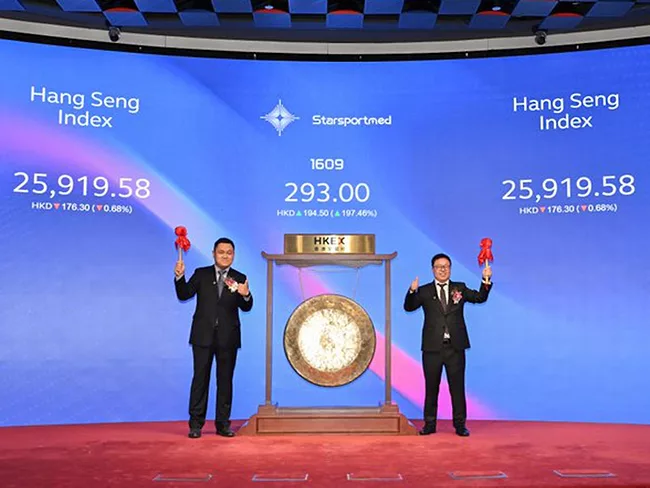
Star Sports Medicine Co. Ltd. debuted on the Hong Kong Stock Exchange with an HK$829.55 million (US$105.86 million) IPO May 5, with shares closing about 118% higher on the first day.
At the European Congress of Endocrinology in Prague, researchers from Juvena Therapeutics Inc. presented the effects of JUV-161, a fusion protein consisting of human insulin-like growth factor 2 linked to human serum albumin, in preclinical models of myotonic dystrophy type 1 (DM1) and sarcopenia.
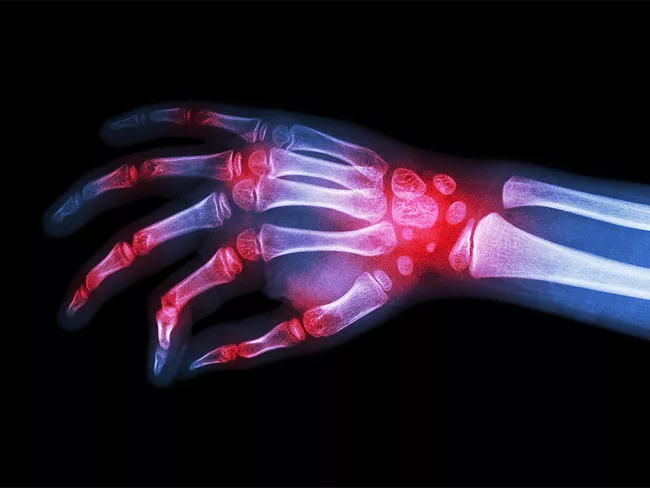
Researchers from Rottapharm Biotech Srl have reported preclinical efficacy data on CR-10049, a long-acting osteoarthritis-targeted multikinase inhibitor, designed to treat both osteoarthritis pain and inflammatory joint degeneration.
A lower-than-expected increase in dystrophin over baseline in the first and lowest-dose cohort of a phase I/II study of ENTR-601-44 in Duchenne muscular dystrophy (DMD) caused shares of Entrada Therapeutics Inc. to plunge more than 57%, despite the cohort meeting the safety and tolerability primary objective.
Italian family-owned Angelini Pharma SpA is making its first move into the U.S. market, acquiring rare diseases specialist Catalyst Pharma Inc. in an all-cash deal worth $4.1 billion. The acquisition gives Angelini ownership of three marketed drugs for treating epilepsy and neuromuscular diseases that had combined sales of $589 million in 2025, a 19.8% increase over 2024.
Star Sports Medicine Co. Ltd. debuted on the Hong Kong Stock Exchange with an HK$829.55 million (US$105.86 million) IPO May 5, with shares closing about 118% higher on the first day.
Researchers from Alzecure Pharma AB and collaborators reported preclinical efficacy data on ACD-137, a selective negative allosteric TrkA modulator in models of peripheral neuropathy and osteoarthritis.
 RSS
RSS