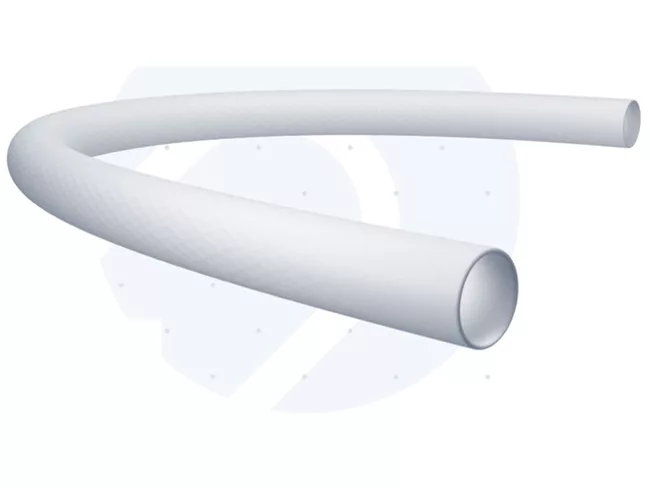
One-year data from Xeltis AG’s first-in-human Axess vascular conduit trial showed outstanding results in patients with end stage renal disease who were deemed unsuitable for arteriovenous (AV) fistula creation. The results, presented at the VEITHsymposium in New York, showed 100% secondary patency, 78% primary assisted patency and no infections were observed in data from 20 patients implanted with the Axess conduit.
It has been previously demonstrated that the two coding variants in the APOL1 gene (G1 and G2) are associated with a greater risk of progressive, proteinuric kidney disease; however, there currently are no therapies to address the causal genetic drivers of this disease. Researchers from Maze Therapeutics Inc. presented the discovery and preclinical characterization of a novel small-molecule inhibitor of APOL1, MZ-302, and they evaluated its efficacy in a new transgenic model of APOL1-mediated kidney disease (AKD).
PYC Therapeutics Ltd. has announced the results of a study of PYC-003 conducted in human 3D models derived from patients with end-stage renal failure due to autosomal dominant polycystic kidney disease (PKD).
G1 and G2 genetic variants of the human APOL1 gene have been previously associated with an increased risk of developing chronic kidney diseases (CKD) in the African American population, and recent studies have shown that inhibition of APOL1 ion channel function could represent a novel therapeutic strategy for the treatment of patients with APOL1-like nephropathies.
Researchers from Wake Forest University, Charles University and affiliated organizations have found a link between mutations in the APOA4 gene and inherited kidney disease.
Researchers from Taisho Pharmaceutical Co. Ltd. have discovered new heparanase-1 (HPSE1) inhibitors for the treatment of cancer and proteinuric kidney diseases.
The U.S. Centers for Medicare & Medicaid Services (CMS) has released the prospective payment rule for end-stage renal disease (ESRD) for calendar year 2024, and advocates had some luck prompting the agency to boost the base ESRD payment rate. However, Atlanta-based Pain Care Labs Inc. came up short in its transitional add-on payment application for the Buzzy Pro for relief of puncture wound site pain because, according to CMS, the device does not represent a substantial improvement over currently available remedies.
United Therapeutics Corp. signed an agreement to acquire Miromatrix Medical Inc. for up to $140 million in cash, buying its way into additional organic growth. The deal would add Miromatrix’s comprehensive portfolio of bio-engineered organs to United’s existing organ production platform.
Seastar Medical Holding Corp. was granted a third breakthrough device designation by the U.S. FDA for its Selective Cytopheretic device (SCD), a biomimetic membrane-based device used to treat patients with acute inflammatory conditions, which can cause organ failure and death. The latest designation is for its use in patients with hepatorenal syndrome. It follows other indications including cardiorenal syndrome and in adults with acute kidney injury (AKI).
 RSS
RSS