Neurodegeneration specialist Vesper Bio ApS has announced positive results from the phase Ib/II trial of its oral sortilin inhibitor VES-001 in frontotemporal dementia. The small study involved six participants who had not progressed to symptomatic disease but were carriers of mutations in the GRN gene that codes for progranulin, a growth factor that is essential for neuronal health.
Lumosa Therapeutics Co. Ltd.’s intravenous odatroltide (LT-3001) met the primary endpoints in a phase IIb trial in China in patients with acute ischemic stroke, paving the way for a pivotal phase III study.
Shooting for further proof of durable, drug-free, disease-free remission with a single dose of KYV-101 in generalized myasthenia gravis, Kyverna Therapeutics Inc. plans to start phase III work by the end of this year. The Emeryville, Calif.-based firm rolled out positive interim results from the phase II portion of the registrational Kysa-6 clinical trial testing the drug, a fully human, autologous, CD19 CAR T-cell therapy with CD28 costimulation.
Sovargen Co. Ltd. inked a $550 million license deal with Angelini Pharma SpA, granting Angelini development and commercialization rights to SVG-105, a novel antisense oligonucleotide drug candidate in preclinical development as a potential treatment for intractable epilepsy.
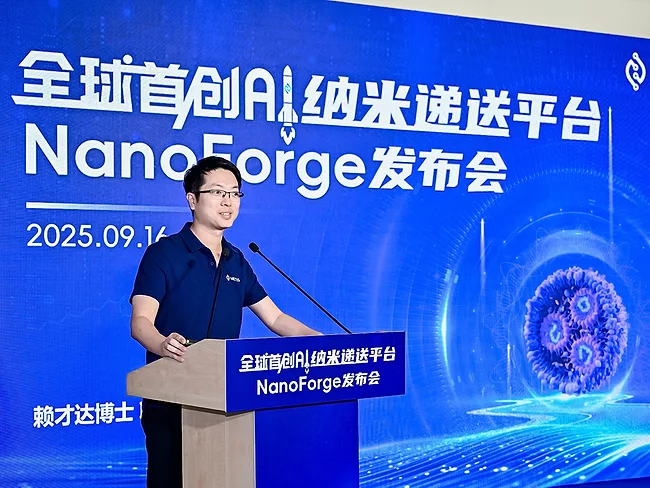
Based on positive phase III study results, Metis Techbio is planning to file an NDA for its AI-derived orally disintegrating tablet drug candidate for pseudobulbar affect, MTS-004, in China next year.
Maplight Therapeutics Inc.’s pricing of a $258.9 million financing this week revived the debate over whether targeting the M1 as well as the M4 muscarinic receptor – as Bristol Myers Squibb Co. does with U.S. FDA-approved Cobenfy (xanomeline and trospium chloride) for schizophrenia – is a better strategy than going after M4 alone.
Based on positive phase III study results, Metis Techbio is planning to file an NDA for its AI-derived orally disintegrating tablet drug candidate for pseudobulbar affect, MTS-004, in China next year.
Although Argenica Therapeutics Ltd.’s stroke drug, ARG-007, saw mixed results in top-line phase II data, new data in functional outcomes studies showed signs the drug helped patients think more clearly, regain independence, and enjoy a better quality of life after stroke.
Intellia Therapeutics Inc. followed up troubling news in May with a similar, and worse, update regarding the Magnitude and Magnitude-2 phase III trials with nexiguran ziclumeran, also known as nex-z, for patients with transthyretin amyloidosis with cardiomyopathy and polyneuropathy, respectively.
The failure of Alector Inc.’s phase III study of latozinemab in treating dementia halved the company’s stock on Oct. 22. That is also about the same percentage of staff that Alector is letting go after the clinical trial stumble.

 RSS
RSS