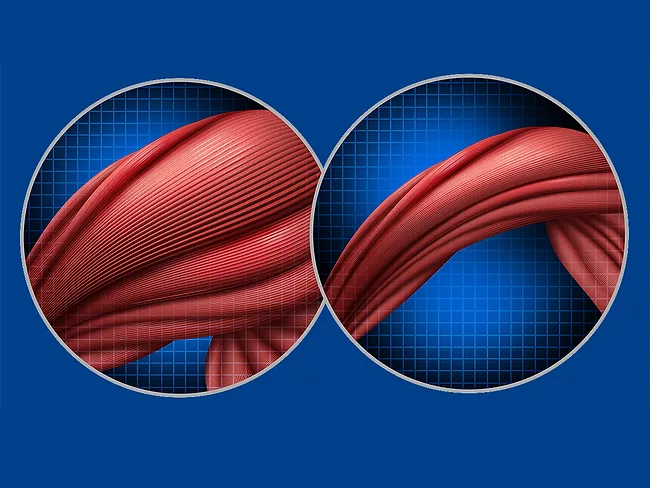
Newco Vesalic Ltd. has formed to take forward research indicating extracellular vesicles secreted by skeletal muscle cells carry toxic payloads that are key drivers of motor neuron diseases, including amyotrophic lateral sclerosis. The discovery of this process, which is largely external to the brain and the central nervous system, has opened up new targeting possibilities, and Vesalic is now working on in vivo studies to demonstrate preclinical proof of concept.
Positive results from the second of two phase III trials set Compass Pathways plc’s synthetic psilocybin treatment, COMP-360, on track for a potential U.S. FDA approval within a year as the first classic psychedelic cleared for treatment-resistant depression.
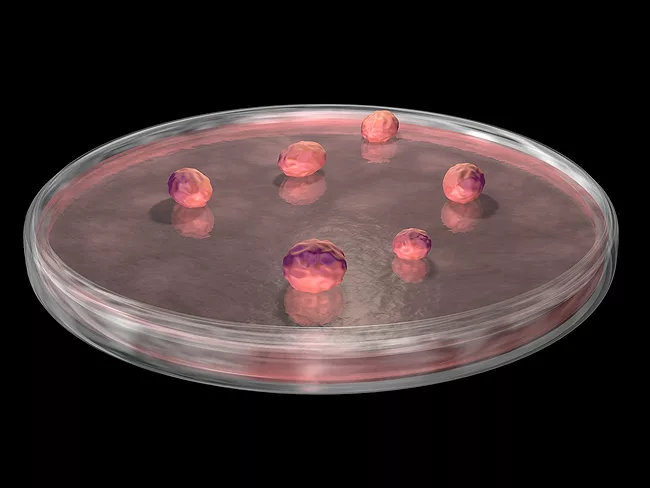
The variety of organoids that can be developed in vitro is enabling major advances. Depending on the type of tissues and the research goals, these small 3D cell-based structures that mimic real tissue offer certain advantages over animal models. Scientists at the University of Padova in Italy have created human neuromuscular organoids to reproduce cancer-induced muscle cachexia, a condition that murine models do not accurately replicate.
A circuit formed by tumor, immune and nervous systems triggers cancer cachexia and anorexia, the excessive loss of weight, muscle and fat experienced in some cancer types. A new study is the first showing these three actors of a triangle interaction that initiates and feeds the process.
Undeterred by all the unsuccessful biopharma suits challenging the U.S. Medicare price negotiations, Abbvie Inc. filed its own complaint Feb. 11 in the U.S. District Court for the District of Columbia, seeking to undo CMS’ selection of Botox in the third round of the negotiations.
The U.S. FDA accepted, with priority review, Takeda Pharmaceutical Co. Ltd.’s NDA submission for oveporexton (TAK-681), bringing the oral orexin receptor 2 agonist closer to clearance in narcolepsy type 1.
As many had predicted following news of a clinical hold on the gene therapy last month, Regenxbio Inc. disclosed receipt of a complete response letter (CRL) regarding its BLA for RGX-121 (clemidsogene lanparvovec) in mucopolysaccharidosis II, an ultrarare neurodegenerative disease in dire need of new therapies.
Genentech Inc. is covering more bases in multiple sclerosis, with its latest swing on fenebrutinib hitting a rare phase III noninferiority win against Ocrevus (ocrelizumab) in primary progressive multiple sclerosis.
Bayer AG’s oral factor XIa inhibitor asundexian significantly reduced ischemic stroke by 26% in patients following a noncardioembolic ischemic stroke or high-risk transient ischemic attack in the phase III Oceanic-Stroke study.
Following on from a successful phase IIa proof-of-mechanism study in myasthenia gravis, NMD Pharma A/S has added clinical data on a second neuromuscular disorder, reporting positive phase IIa results for ignaseclant, in both type I and type II Charcot-Marie-Tooth disease.
 RSS
RSS