Transcend Therapeutics Inc. has closed on a series A funding of $40 million for its next-generation compound, methylone, an MDMA analogue, to be developed as a rapid-acting, disease-modifying, non-hallucinogenic treatment for neuropsychiatric conditions, including post-traumatic stress disorder.
Despite pleas from patient advocacy groups and bipartisan pressure from the U.S. Congress, the Centers for Medicare & Medicaid Services (CMS) isn’t budging on its national coverage determination for amyloid-targeting monoclonal antibodies approved to treat Alzheimer’s.
South Korean biotech peers Celltrion Healthcare Co. Ltd. and Liscure Biosciences Co. Ltd. signed a deal to co-develop microbiome-based oral live biotherapeutic products for Parkinson's disease. Under the agreement, Celltrion, of Incheon, South Korea, will provide Seoul-based Liscure with research funding as well as additional payments as the project progresses. Liscure will lead discovery of the novel candidates, and Celltrion will be responsible for further clinical and regulatory development.
Now that the U.S. FDA has granted accelerated approval for Biogen Inc./Eisai Co. Ltd.’s early Alzheimer’s drug, Leqembi (lecanemab), the Centers for Medicare & Medicaid Services (CMS) is being pressured to rethink its coverage of amyloid-targeting monoclonal antibodies.
The steadily percolating psychedelic drug space stands poised to generate a near-term stream of potentially encouraging developments in a range of mental health disorders, including depression, anxiety, post-traumatic stress disorder and more.
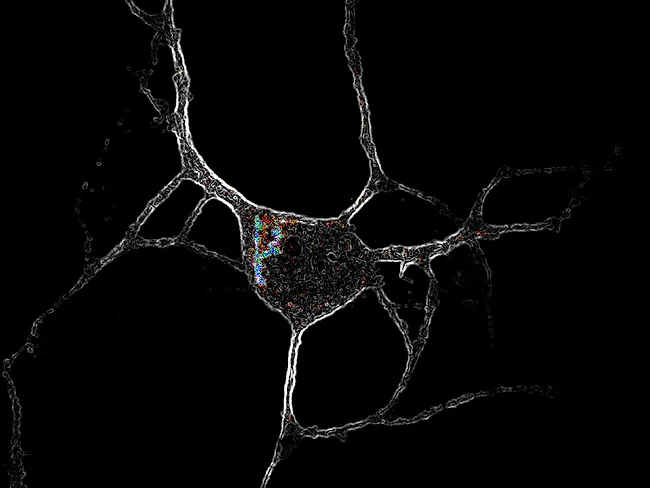
Psychedelic drugs may exert their effects at intracellular serotonin receptors that serotonin itself, which does not cross cell membranes, cannot reach. The findings were published in the Feb. 17, 2023, issue of Science by researchers from the University of California at Davis. An accompanying editorial by Evan Hess and Todd Gould at the University of Maryland School of Medicine called them “a key achievement in the understanding of the mechanism of action of psychedelics” and “an important step forward for a rapidly expanding and much-needed field of study.”
Medicinal cannabis company Zelira Therapeutics Ltd. secured $8.6 million in cornerstone funding from U.S.-based Cantheon Capital LLC that will progress Zelira’s Hope1 cannabinoid medicine to formal phase II/III clinical trials for behaviors associated with autism spectrum disorder.
Fresh off an end-of-year IPO, Coya Therapeutics Inc. is gearing up for clinical testing with its lead Treg-enhancing biologic in neurodegenerative disease, aiming to build on a wealth of academic-generated data highlighting the potential of Treg therapy to attack the neuroinflammation underlying diseases such as amyotrophic lateral sclerosis and Alzheimer’s disease.
Updated MRI results from Clene Inc.’s phase II Visionary-MS trial testing gold nanocrystal therapy CNM-Au8 bolsters the company’s premise that targeting energy metabolism could protect neuronal function in patients with multiple sclerosis and lays the groundwork for a phase III trial as soon as a strategic partner is found.
Beginning July 1, Australia’s Therapeutic Goods Administration will allow medicines containing the psychedelic substances psilocybin and MDMA (3,4-methylenedioxy-methamphetamine) to be prescribed by authorized psychiatrists for certain mental health conditions.
 RSS
RSS