The FDA granted Blackrock Neurotech LLC breakthrough device designation for its Moveagain brain-computer interface (BCI) system as it targets 2022 for commercialization of the neural implant. Earlier this year, the Salt Lake City-based company received $10 million from investors including, Re.Mind Capital, Sorenson Impact and Facebook investor Peter Thiel to expand its clinical program. The company said its technology could be key to providing tetraplegic patients the ability to control devices directly from the brain.
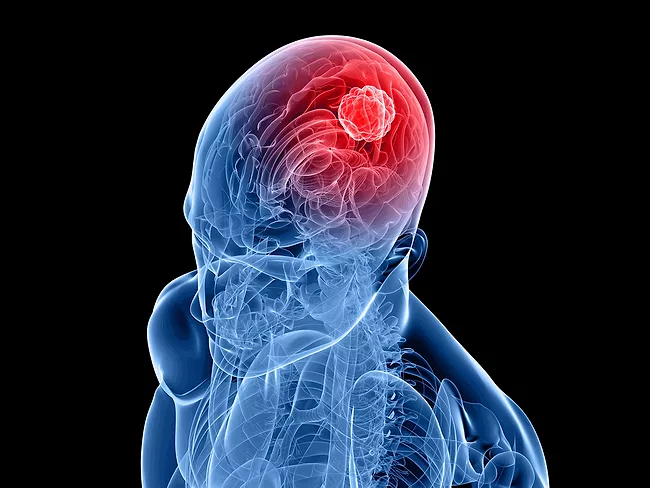
For brain surgeons, the shift is the sticking point. When a surgeon opens the cranium to remove a tumor, the brain moves as much as 1 cm, making much of the pre-operative mapping of the tumor essentially useless. While the bulk of a lesion can be identified by its density, the tendrils blend into the surrounding tissue – and taking excess margins means more brain damage. Designs for Vision Inc.’s bright idea, a headlamp that illuminates a fluorescing tumor with a laser light, makes brain surgery quicker, safer and more accurate.
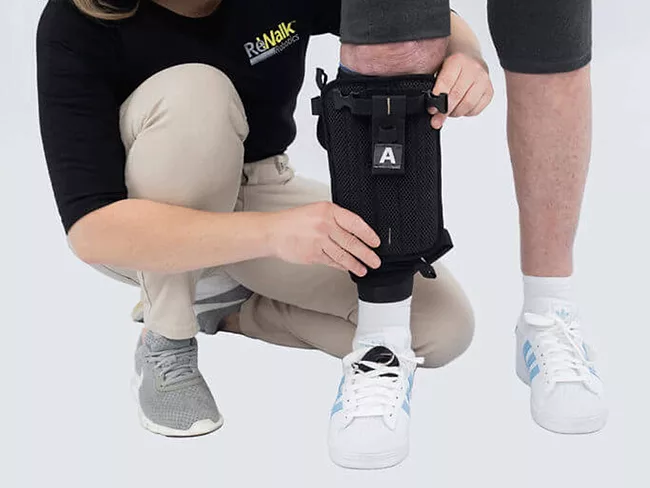
Shares in Rewalk Robotics Ltd. are on the rise after the FDA awarded its Reboot exoskeleton device breakthrough device designation status. The wearable, battery-powered device is designed to assist individuals with lower limb disability due to stroke.
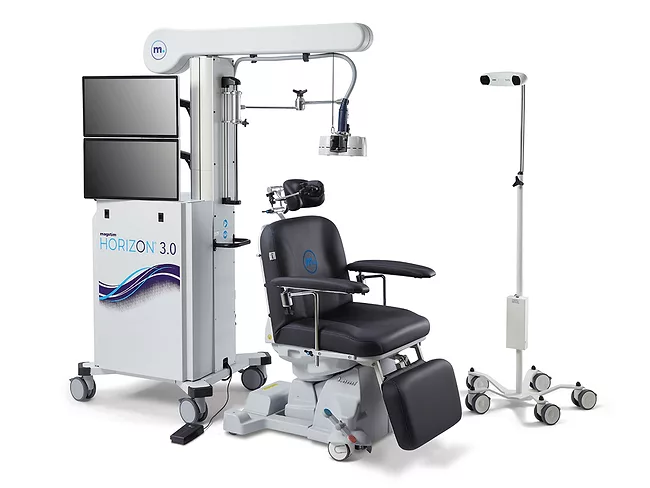
The FDA has granted Magstim Co. Ltd. 510(k) clearance for its transcranial magnetic stimulation (TMS) platform Horizon 3.0. TMS is a series of repetitive, focused magnetic pulses, used to stimulate brain cells. The noninvasive therapy has been touted as a cost-effective treatment for depression and is typically prescribed when antidepressants have failed, or the side effects are too disruptive to a patient’s lifestyle.
Zap Surgical Systems Inc. is debuting its noninvasive brain tumor treatment to the European market through an agreement with Centre de Cancérologie de la Porte de Saint-Cloud (CCPSC). The Boulogne-based center, which is part of the American Hospital of Paris, said it expects patients to access the treatment by Fall 2022.
The brain-computer interface (BCI) is the subject of keen medical interest for those dealing with neurological damage, but military applications are also a point of interest among a number of national governments. With all this in mind, an agency at the Department of Commerce has posted a request for comments regarding a possible imposition of export controls on BCI devices due to national security concerns, a proposal that could complicate exports of such devices for medical use.
The Scottish government has signed a deal with digital therapeutics company Big Health Inc. to make a cognitive behavior therapy (CBT) platform for anxiety and insomnia available through the NHS. It makes Scotland the first country to provide a digital therapeutic for anxiety and insomnia nationally.
Mindmaze SA raised $125 million in a debt financing round led by Albacore Capital Group to expand its virtual reality-based digital neurotherapeutics platform. Total funding for Mindmaze now exceeds $235.7 million to date. Investors include the Hinduja Group, Venture Kick, the Foundation for Technological Innovation, and Leonardo DiCaprio. The Mindmaze platform assesses and restores cognitive and motor function in individuals who have sustained neural injuries or impairment from degeneration and aging.
Limbix Health Inc. released data demonstrating a 21% remission rate and 29% response rate for Sparkrx, its prescription digital therapeutic, in adolescents who completed the program as recommended. The company presented study results on Oct. 8 at the 2021 American Academy of Pediatrics National Conference in San Francisco.
Two innovators in the concussion assessment space have advanced their products with new funding and new clearances. Brainscope Co. Inc. secured $35 million in capital through an intellectual property-based funding arrangement with Aon plc to expand access to and develop new applications for its EEG-based product. Syncthink Inc. received a second FDA clearance for its Eye-Sync platform for mild traumatic brain injury diagnosis.
 RSS
RSS