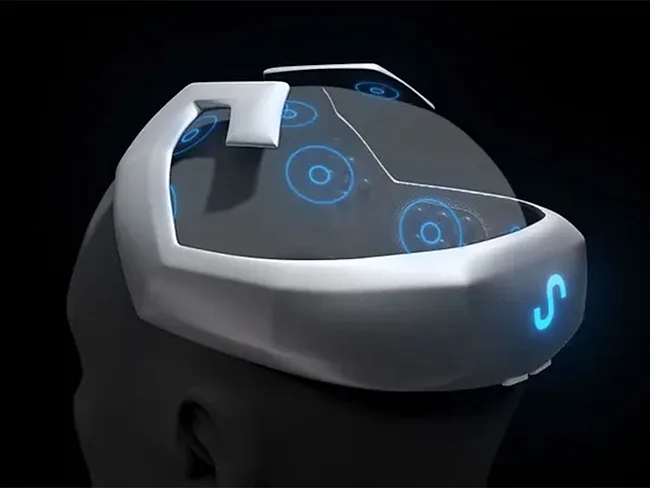
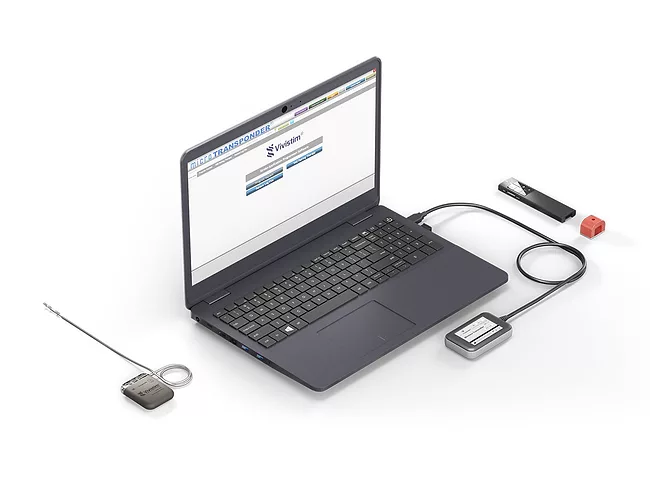
Deep brain stimulation (DBS) through implanted electrodes has enabled fundamentally new ways of treating certain disorders. More than 100,000 severely ill patients have received an implant to treat Parkinson’s disease, which is DBS’ greatest success story.
Ready or not, the future has arrived. Novel AI and brain-computer interface (BCI) systems are no longer confined to the realm of science fiction. As an increasingly intertwined human-machine model moves closer to adoption in real-world clinical and military practice, technological advances are sparking concerns over public health, ethics and national security.
With the pace of neurotechnology development accelerating, a wave of brain-computer interface (BCI) companies is emerging on the heels of the pioneers. In the latest installment of BioWorld’s series on the BCI field, Rotem Kopel, CEO of Ability Neurotech SA, explains that following in the footsteps of the established players has its advantages. “It's not too bad to be a fast follower to a company like Neuralink.” Ability and its peers are either building more complete systems, or exploring different approaches from electrodes with newer materials to nanoparticles, while addressing technical and clinical challenges identified by earlier entrants and targeting different indications.
Tissium SA secured €60 million (US$68 million) in a financing package, which includes €30 million in a series D2 round and a €30 million facility from the European Investment Bank. The funds will be used to support the company's commercial and clinical activities, as well as its pipeline development and expansion of its platform technology, which removes the need for sutures and leads to better nerve repair.
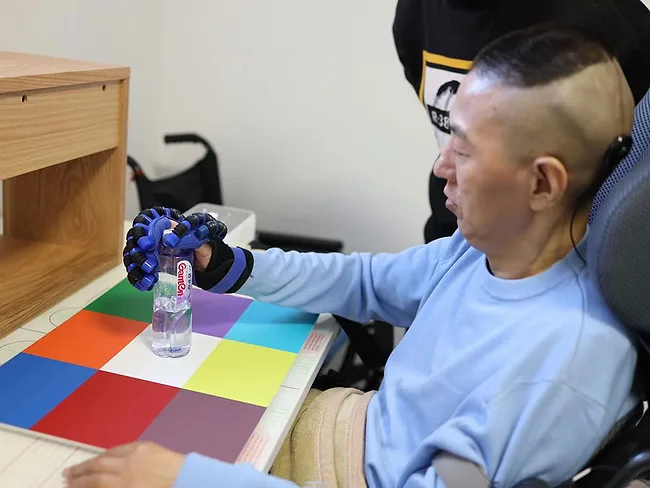
Decades of research are helping unravel the “black box” of the brain. The second article in BioWorld’s series on the Brain-Computer Interface (BCI) field looks at how simultaneous breakthroughs in AI technology are pushing the BCI field from a theoretical concept to a potential real-world, clinical option for individuals, particularly in China where the National Medical Products Administration greenlighted the world’s first invasive BCI system – Neuracle Medical Technology Co. Ltd.’s Neural Electronic Opportunity – for clinical use in March 2026.
Matricelf Ltd. has initiated a pivotal IND-enabling efficacy study evaluating its engineered human neural tissue implant for the treatment of chronic spinal cord injury.
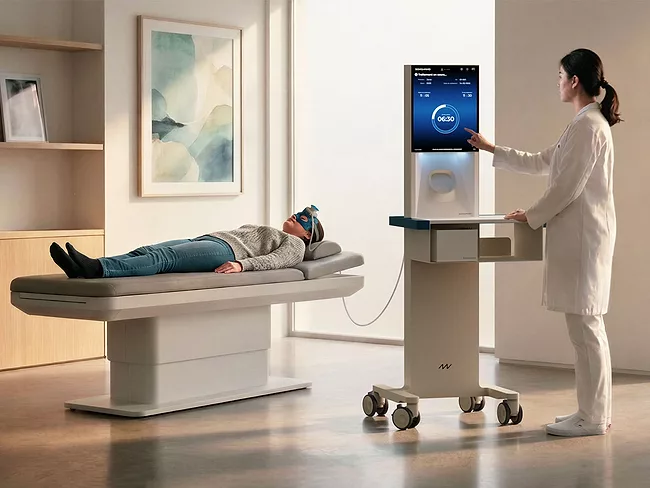
Sonomind SAS raised €20 million (US$23 million) in a series A funding round for its ultrasound-based neuromodulation technology for depression. The funds will be used for clinical trials of the non-invasive device, which uses a custom-made acoustic lens to precisely target deep regions within the brain to bring relief to patients suffering from treatment-resistant depression.
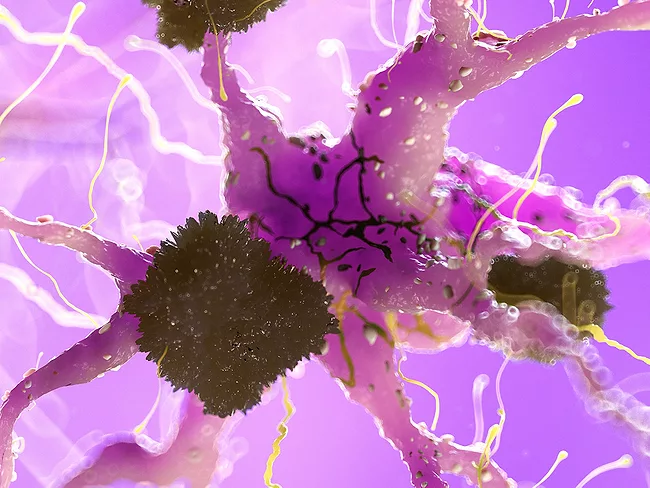
Roche Holding AG secured CE marking for the Elecsys plasma phosphorylated-tau 217 blood test designed to rule in and rule out amyloid pathology, a hallmark of Alzheimer's disease. Developed with Eli Lilly and Co., the test brings to the market another much-needed solution to help clinicians diagnose Alzheimer’s patients following the FDA approval of Fujirebio Diagnostics Inc.’s blood test last year.
Mobia Medical Inc. began trading on Nasdaq under the ticker MOBI on May 8. The company priced its IPO at the midpoint of its proposed $14 to $16 range, selling 10 million shares at $15 each and raising approximately $150 million. The stock closed at $11.75 its first day of trading, down 21.7%.
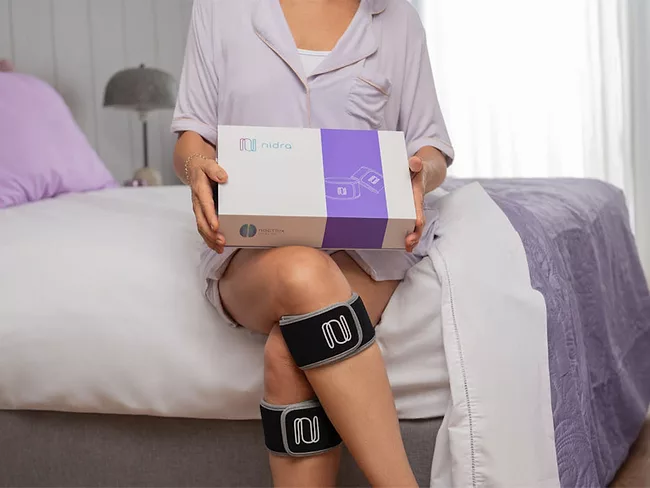
Resmed Corp. has agreed to acquire Noctrix Health Inc. for $340 million, boosting its sleep health portfolio. Noctrix has developed Nidra, a wearable neuromodulation device which treats restless legs syndrome (RLS) without disrupting sleep. With RLS impacting approximately 7% of adults globally, including about 17 million people in the U.S., the technology offers a non-drug option that could potentially treat a significant proportion of this patient population.
 RSS
RSS