Roche Holding AG received CE mark for its Elecsys pTau181 test to help rule out Alzheimer’s disease. The minimally invasive blood test, developed in collaboration with Eli Lilly and Co., measures phosphorylated Tau 181 protein, a biomarker indicative of amyloid pathology, a hallmark of Alzheimer’s.
The switch will be flicked today to make the world’s largest dementia-related proteomics dataset freely available to researchers, at the same time as members of the consortium which compiled it publish the proteomics signatures of major neurodegenerative diseases that they uncovered in a first trawl of the data.
Insightec Ltd. received U.S. FDA approval for use of its Exablate Neuro device to address severe motor symptoms in patients with Parkinson’s disease, offering a new option for patients who have not found adequate relief from medications. Exablate Neuro uses focused ultrasound to create lesions in the brain without requiring an incision or implant.
The U.K. Medicines and Healthcare Products Regulator Agency dropped a guidance for digital mental health technologies that clarifies several key points, such as when the DMHT qualifies as software as a medical device.
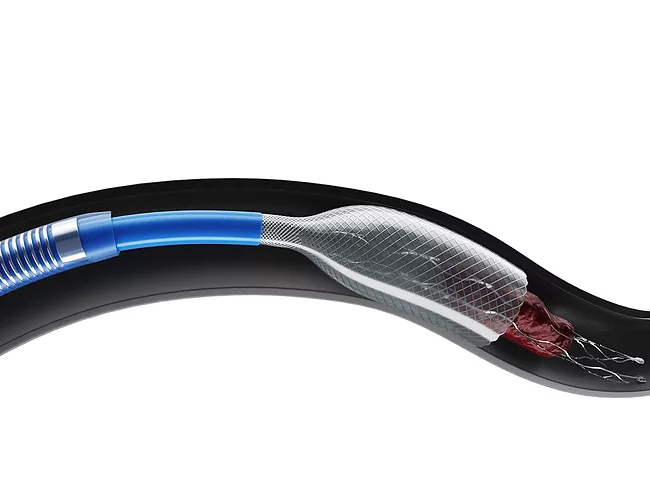
Anaconda Biomed SL recently received CE mark for the Ana5 funnel catheter, designed to improve mechanical thrombectomy in the treatment of acute ischemic stroke. The company hopes that the device, which has a vessel-matching diameter funnel to maximize the capture of blood clots, could be the holy grail in mechanical thrombectomy.
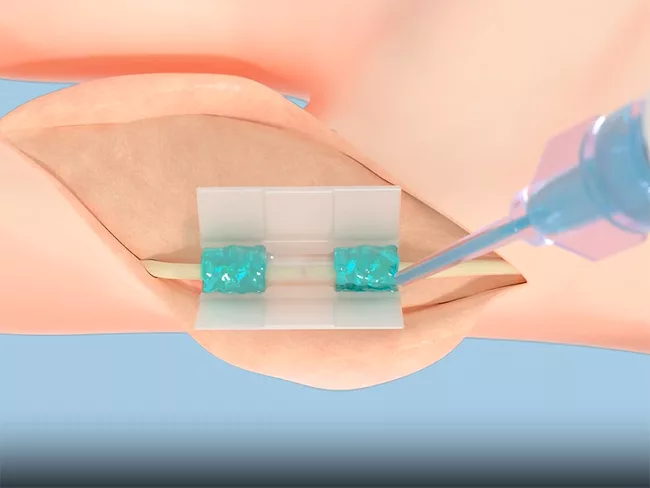
Could the U.S. FDA’s de novo marketing authorization for Tissium SA’s Coaptium Connect, an atraumatic sutureless solution for peripheral nerve repair, signal a transformative shift away from sutures in nerve surgery? Only time will tell.
In recognition of the fact that diversity, equity and inclusion are necessary prerequisites for precision medicine, the European Academy of Neurology announced the launch of a DEI Hub at its 11th Congress, which is being held in Helsinki through June 24.
At the 11th Congress of the European Academy of Neurology, which was held in Helsinki June 21 to June 24, researchers presented new data on using CAR T cells in autoimmune neurological conditions.
Focused on promoting well-being amongst children with neurodivergence, Reset Moves Pty Ltd. created app-based games to help children not only focus with greater clarity, but also to better help them re-engage in certain settings.
London-based Livanova plc. has petitioned the U.S. CMS to cover vagus nerve stimulation device for treatment-resistant depression without the need for a clinical trial — a change that would eliminate the costly and cumbersome coverage with evidence development mechanism.
 RSS
RSS