Researchers from The Ohio State University have filed for protection of Neurothread, a wire-type neurotransmitter-sensing platform that utilizes the cross-section of commercially available ultrathin microwires as microelectrodes.
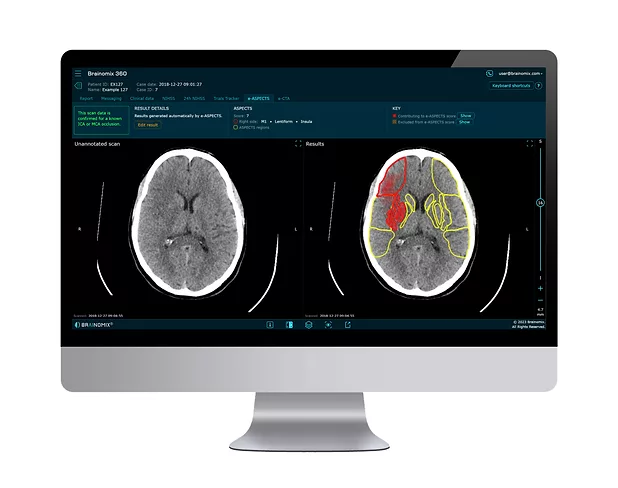
Brainomix Ltd. raised £14 million ($18 million) in a series C financing round to expand its AI-powered imaging solution, Brainomix 360 Stroke, into the U.S. market. Funds will also go towards advancing the Brainomix 360 E-Lung, which can accurately predict the progression of lung fibrosis. “This series C round is a vital fundraise for us,” Michalis Papadakis, CEO and co-founder of Brainomix, told BioWorld. “We are in a growth stage where we want to bring this next generation of stroke AI into the U.S. market.”
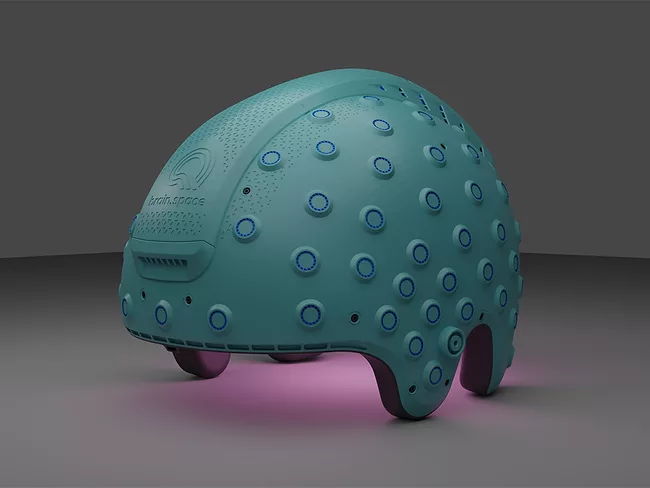
Brain.space Ltd. raised $11 million in a series A funding round for its technologies which uses brain data and AI to understand and predict human behavior. The round was led by Toyota Ventures, with significant participation from Mangrove Capital Partners and The Group Ventures. The funding included a $3.5 million non-dilutive grant from the Israel Innovation Authority.
Samsung Life Science Fund made its first strategic investment of the year into C2N Diagnostics LLC, underscoring the rising potential of blood-based diagnostics in detecting and monitoring the risk of Alzheimer’s disease for the masses.
The Vivani Medical Inc. combination appears to be over less than three years since its inception after the company reported plans to spin off Cortigent, the division that develops brain implants.
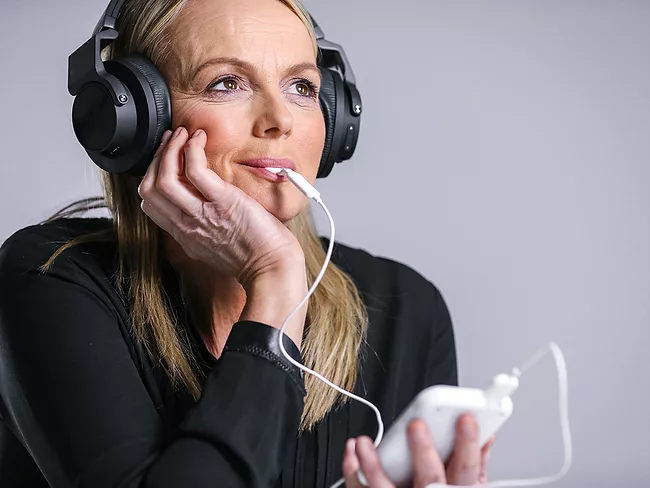
Neuromod Devices Ltd. raised €10 million (US$10.9 million) in financing to expand the reach of Lenire, which treats tinnitus. The fundraise, which was an expansion of its series B financing round, was led by existing investors Fountain Healthcare Partners and Panakès Partners.
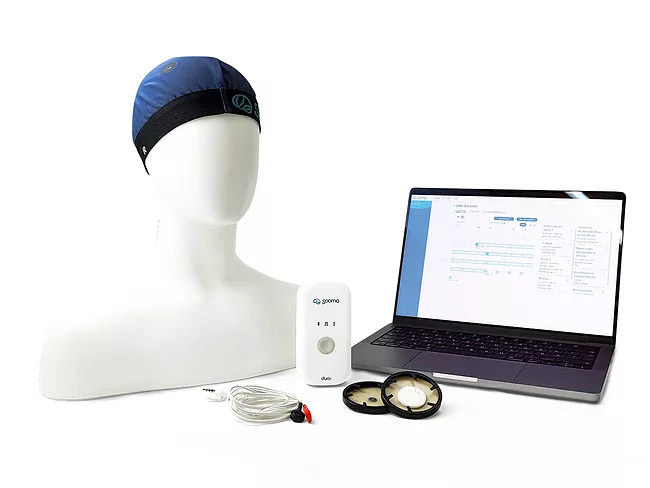
Sooma Oy secured U.S. FDA investigational device exemption approval to initiate a pivotal study of its transcranial direct current stimulation medical device in people with major depressive disorder. The study will examine the efficacy of the non-invasive Sooma 2Gen device in improving MDD as an at-home treatment.
In an advance that could significantly lighten the load for caretakers in the “sandwich generation” and reduce loneliness in elderly patients, Aspargo Labs Inc. developed a metered delivery device that optimizes absorption of pharmaceuticals and reminds users to take their medications.
Precision Neuroscience Inc. recently partnered with Beth Israel Deaconess Medical Center to test its brain computer interface, the Layer 7 Cortical Interface, during craniotomy procedures.
 RSS
RSS