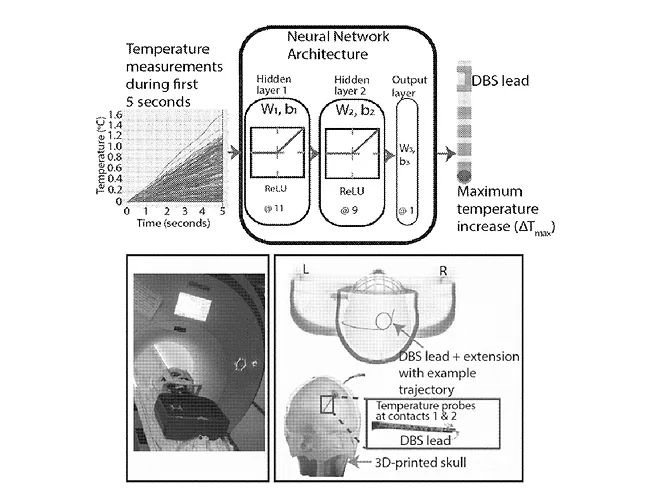
A recent patent application from Laleh Rad, associate professor of Biomedical Engineering and Radiology at Northwestern University, describes the use of machine learning for real-time risk assessment of magnetic resonance imaging in patients with conductive implants for whom tissue heating from radiofrequency excitation fields remains a major concern.
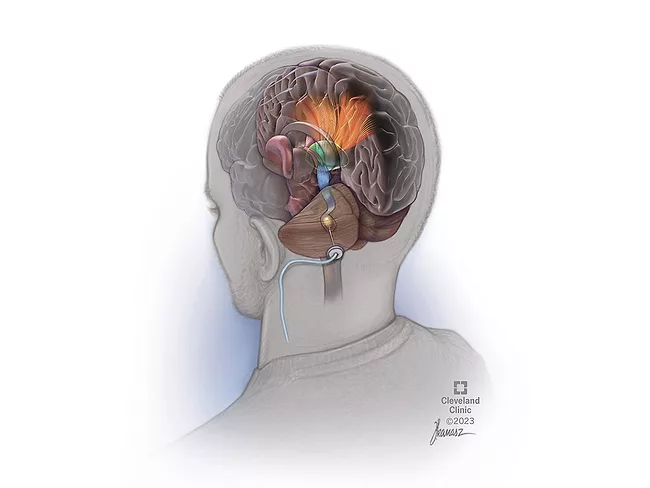
Newronika SpA's AlphaDBS recently secured an investigational device exemption from the U.S. FDA allowing it to begin a pivotal trial to evaluate the safety and efficacy of its adaptive deep brain stimulation system in patients with movement disorders, including Parkinson's disease.
The U.K. Medicines and Health Care Products Regulatory Agency has provided guidance on what does and does not constitute a regulated digital mental health technology, but developers should be aware that promotional claims could push a product from the unregulated to the regulated category.
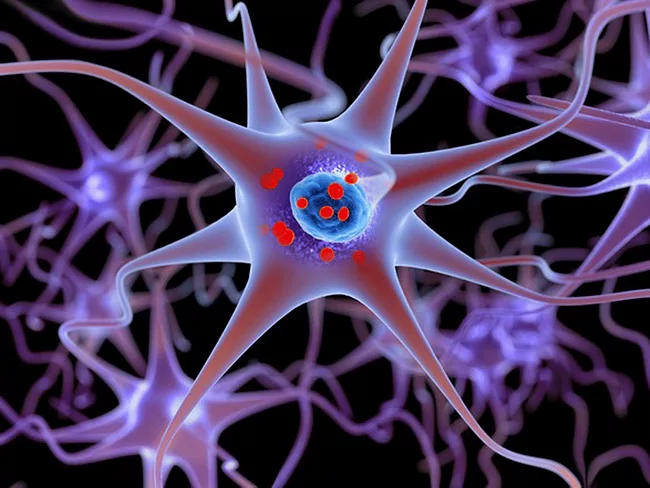
Neu Health Ltd. received $2 million in funding from Cedars-Sinai Intellectual Property Company and Oxford Science Enterprises (OSE) to bring its platform, designed for Parkinson’s disease and dementia care, into the U.S.
Lantheus Holdings Inc. is making waves in M&A with its second big deal of the month – and year – the acquisition of Evergreen Theragnostics Inc. for $250 million in cash up front and up to an additional $752.5 million in contingent payments. The transaction follows announcement of a definitive agreement to acquire Life Molecular Imaging Ltd., a subsidiary of Life Healthcare Group Holdings Ltd., on Jan. 13 for $350 million in cash at closing and a further $400 million in milestone payments.
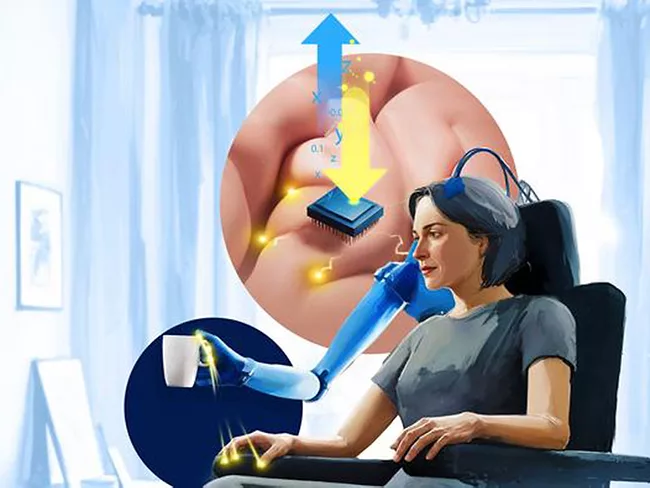
In a boon for companies developing brain-computer interface (BCI) technologies, researchers have used a BCI and artificial intelligence to restore touch sensations in a bionic arm.
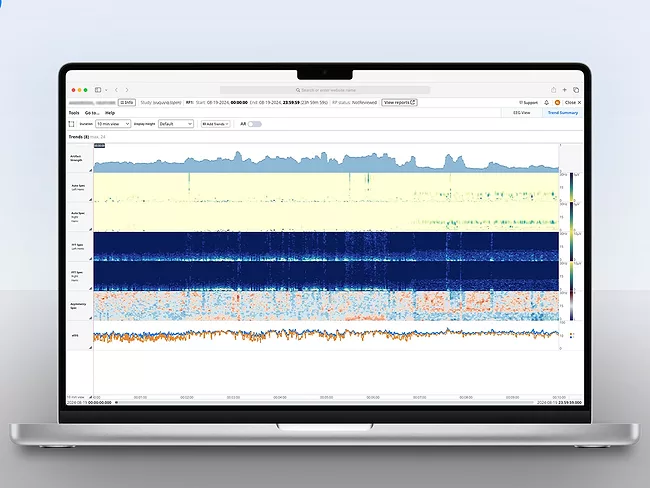
Standing for live visualization of brain circuits, LVIS Corp launched the cloud-based Neuromatch Access platform as a software as a service to help neurologists and medical professionals review, interpret and analyze electroencephalogram (EEG) data.
Researchers from Cornell University are seeking protection for their invention of a low-cost artificial intelligence (AI)-based platform that analyses low resolution electrocardiogram data and/or photoplethysmography data to accurately and objectively assess pain.
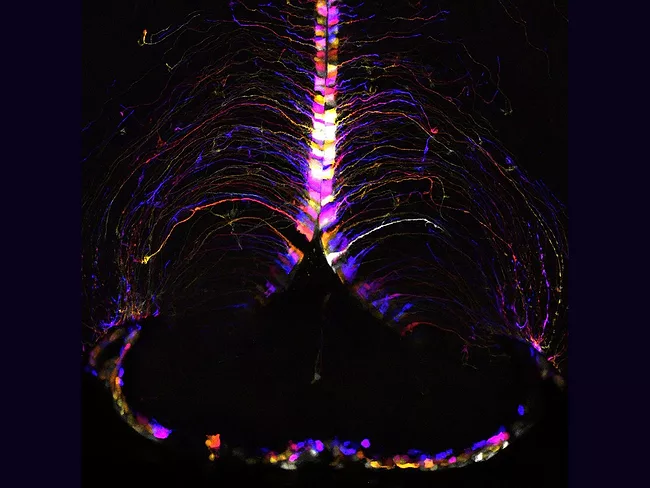
2024 saw the completion of several cellular-resolution brain maps, including the entire fly brain and a comprehensive connections map of a cubic centimeter of human brain. 2025 began with the addition of another important map. In the Jan. 1, 2025, issue of Nature, researchers from the Allen Institute presented a map of areas and cell types where aging most affected the mouse brain.
Medtronic plc secured CE mark approval under the EU Medical Device Regulation for its Brainsense adaptive deep brain stimulation system. The technology represents a major advancement in the treatment of Parkinson’s disease as it provides real-time, self-adjusting brain stimulation based on the patient’s brain activity, offering a more personalized therapy.
 RSS
RSS