Hyperfine Inc. gained CE mark approval for the latest generation of its artificial intelligence-powered software for its Swoop portable magnetic resonance imaging system, under the European Medical Device Regulation.
Data from two Alzheimer’s tests being developed by Roche Holding AG showed high accuracy in detecting the disease in patients being tested for the condition. The tests measure biomarkers in the blood linked to Alzheimer’s and will help provide desperately needed information by letting patients know whether they have the disease or not, Margherita Carboni, Neurology Indication Lead at Roche Diagnostics told BioWorld.
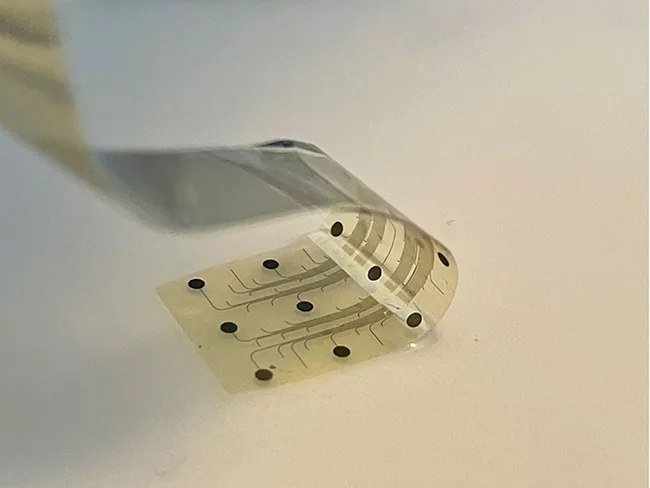
Inbrain Neuroelectronics SL closed a $50 million series B financing round to advance clinical trials for its graphene-based brain-computer interface therapeutics platform. The company also secured additional funding from Merck KGaA GmbH which will go towards developing the technology for application across both central and peripheral nervous systems.
Regenerative medicine company Orthocell Ltd. raised AU$17 million (US$11.28 million) to launch its nerve repair product, Remplir, in the $1.6 billion U.S. market.
Children with autism spectrum disorder (ASD) often must wait years before they get a diagnosis, and that wait time can result in missed opportunities for changing behaviors associated with autism.
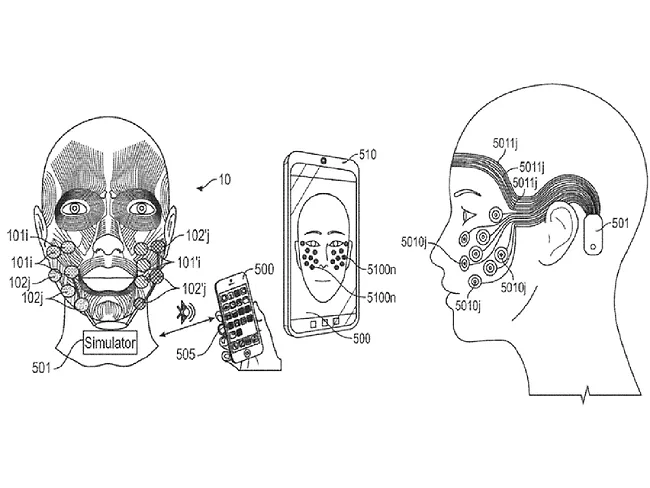
The first patenting from Neuro-Joy Ltd. details development of a device that electrically stimulates facial nerves and muscles in order to emulate a facial expression configured to ameliorate a mood disorder and improve symptoms of depression, anxiety and sleep disorders.
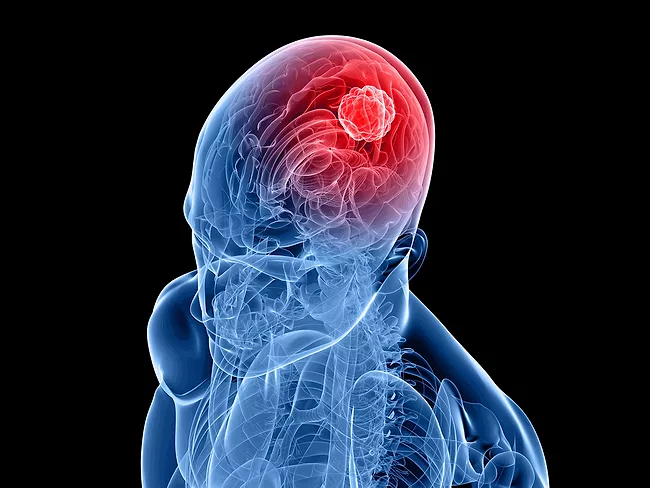
Scientists from different laboratories around the world have presented the latest advances in research into malignant brain tumors at the 31st Annual Congress of the European Society of Gene and Cell Therapy (ESGCT), which is being held Oct. 22 to 25 in Rome.
In what represents the first patenting from Cerathrive Ltd., its co-founder and CEO, Sarah Turner, describes their development of the Cera system, which they claim to be the first and only U.S. FDA-cleared red-light device that targets the gut-brain axis to improve focus and energy levels.
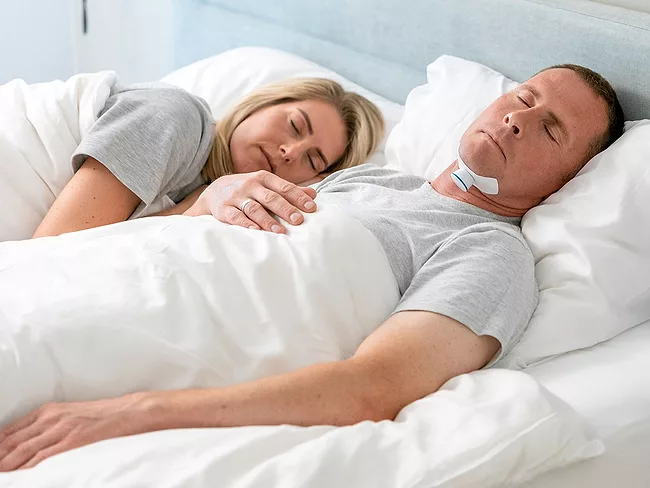
Nyxoah SA recently raised $27 million after selling three million shares in a bid to shore up its capital base as it prepares to commercialize Genio — its obstructive sleep apnea technology — in the U.S.
Sunbird Bio Inc. closed an additional financing round of $14 million Oct. 16, reeling in new funding from Eli Lilly & Co. and the Singapore Economic Development Board’s investment arm, EDBI Pte Ltd.
 RSS
RSS