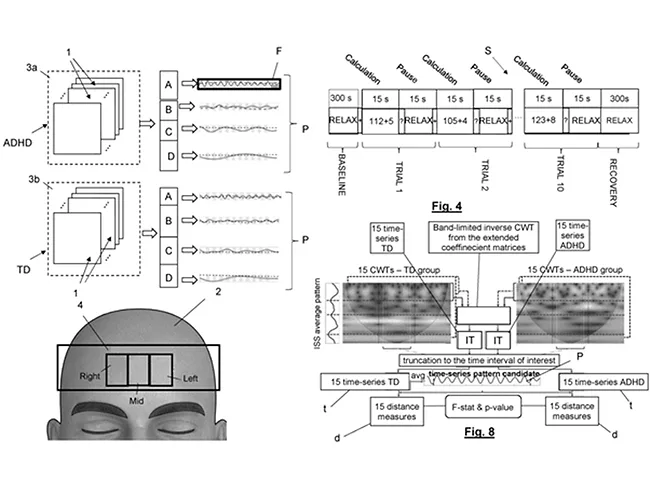
In just the second PCT filing published in the name of Newmanbrain SL, co-founders Carlos Belmonte and Joaquin Ibañez seek specific protection for the use of Newmanbrain’s functional near infrared spectroscopy system, Theia, in the diagnosis of attention deficit/hyperactivity disorder.
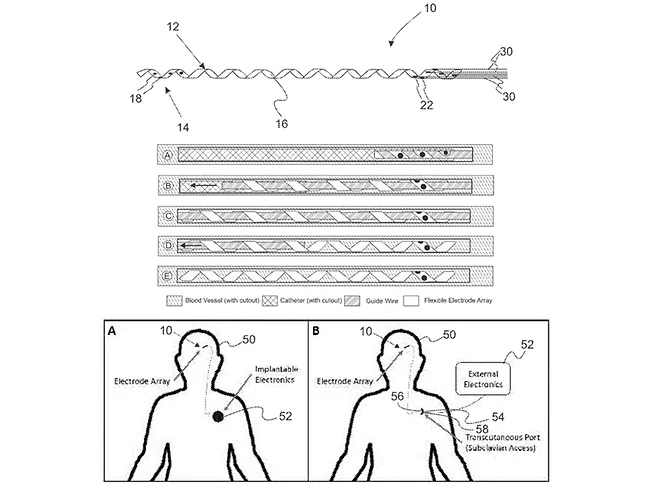
Researchers from the University of Southern California filed for protection of a thin film electrode array they developed to be implanted using endovascular methods for minimally invasive, high-resolution electrical recording and stimulation of the nervous system and other electrogenic tissue.
Beyond its success in migraine and attention deficit hyperactivity disorder, Nu Eyne Co. Ltd. is advancing a portfolio of noninvasive, wearable trigeminal nerve stimulation devices across key three areas of neuromodulation, tissue regeneration and proliferation inhibition.
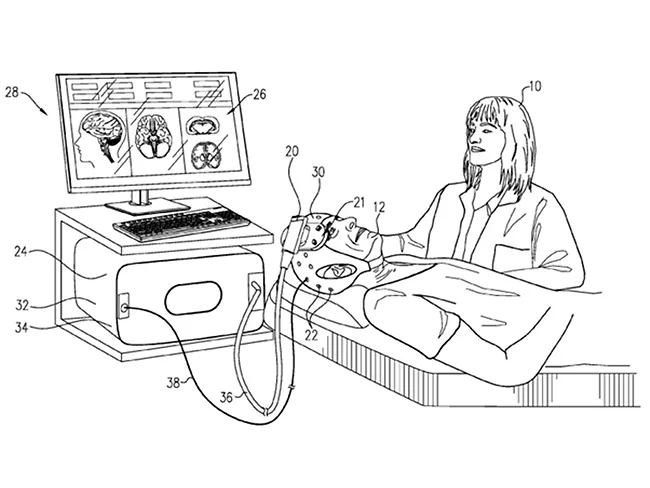
Quantalx Neuroscience Ltd. filed for protection of a system and method for the diagnosis of normal pressure hydrocephalus and prediction of patient response to ventriculoperitoneal shunting surgery treatment. The U.S. FDA granted the company’s Delphi-MD breakthrough device designation for these indications in May 2023.
The first patenting from Los Angeles-based Ecate LLC sees the company’s founder, Allesandro Maggi, describe a bi-directional, closed-loop spinal cord machine interface that can bridge the gap in communication between the brain and the body in paralyzed patients.
The word “niche” implies a specialized environment. But to Fiona Doetsch, the stem cell niche is anything but. For brain stem cells, “the whole organism is the niche,” Doetsch told the audience at the third plenary session of the International Society for Stem Cell Research (ISSCR) annual meeting in Hamburg this week.
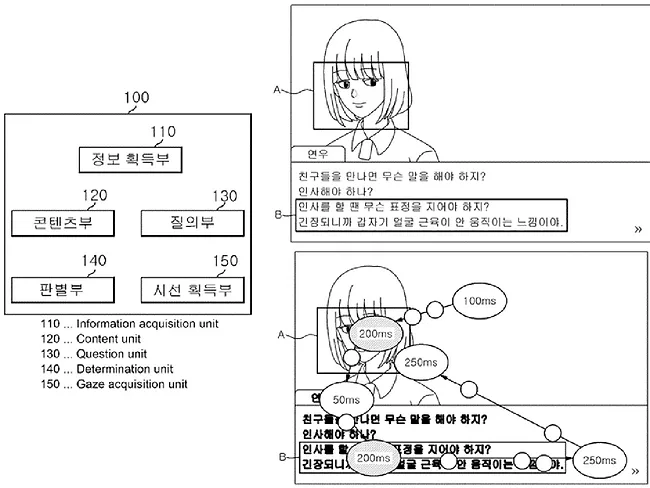
The first patenting from South Korea’s Neudive Inc. sees its CEO, SungJa Cho, applying for protection of the company’s mobile digital social therapy device, NDTx-01, which helps build the social skills of neurodiverse individuals, and in particular children and adolescents with autism spectrum disorder and social communication disorder.
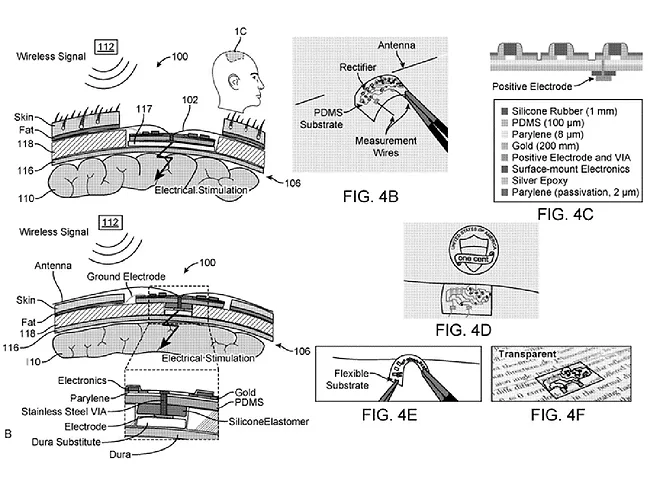
Researchers from Arizona State University and Mayo Clinic have filed for protection of wireless, battery-free brain implants which may be used in the monitoring, stimulation, and treatment of epilepsy, tumors, neurodegenerative disorders, neuroinflammatory conditions and trauma.
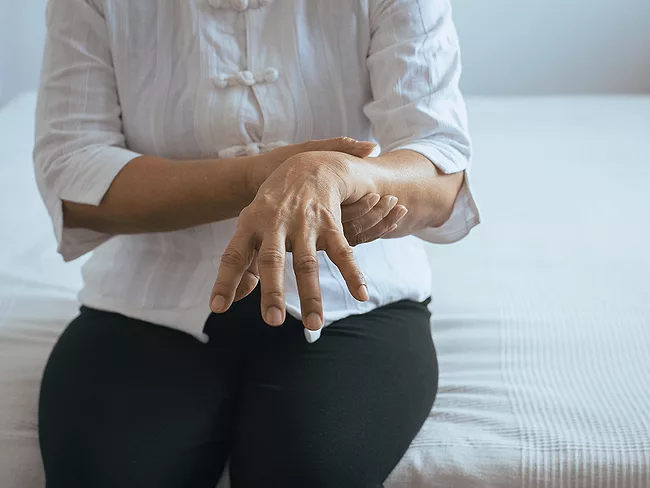
South Korean researchers from Gwangju Institute of Science and Technology invented SPINDLE — a virtual reality-based robotic rehabilitation system — as a potential breakthrough therapy for tremor patients.
Syntheticmr AB received CE marking for its next-generation brain imaging solution, SyMRI Neuro. The company hopes that version 15 of its SyMRI software, which provides quantitative data, automatic tissue segmentation and adjustable contrast weighted images from a scan, will transform diagnostic imaging.
 RSS
RSS