AI and advanced biotechnology are reshaping South Korea’s med-tech sector, but great technology alone is not enough to build a successful medical device company, speakers said at MedTech Innovator’s Medtech Spotlight: New Impact Korea 2026.
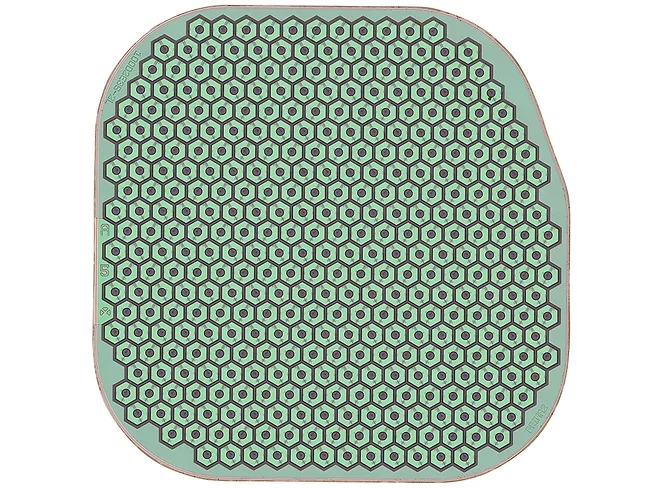
As the development of brain-computer interface (BCI) technologies gain momentum, Paradromics Inc. is building an ecosystem to enable collaboration between the company and academic researchers.
Imperative Care Inc. secured $100 million through an oversubscribed convertible note financing round to support commercialization of its stroke and vascular thrombectomy technologies. The round was co-led by new investors Elevage Medical Technologies and Perceptive Advisors alongside existing investor Catalio Capital Management LP. Also participating were new backers Longaeva Partners LP and Brown Advisory, with continued support from existing investors, including Ally Bridge Group and Bain Capital Life Sciences.
Roche Holding AG received CE Mark approval for its Elecsys Apolipoprotein E4 (ApoE4) biomarker test, an in vitro diagnostic immunoassay to identify the ApoE4 gene variant from a blood sample. With APOE4 considered as the strongest genetic risk factor for developing Alzheimer’s disease, the test provides a fast, reliable way to determine whether an individual carries the genetic variant without the need for DNA‑based genotyping.
There is broad agreement that psychiatric diagnoses in their current form are not reflective of any underlying biology, and that this is one of the things hampering psychiatric drug development. “We are still fully reliant on descriptive diagnoses that yield heterogeneous patient cohorts,” Steve Hyman told the audience at the European Congress of Neuropsychopharmacology (ECNP) Roadmap Meeting on Precision Psychiatry in Amsterdam in January.
Medtronic plc has agreed to buy Scientia Vascular Inc. for $550 million, as it makes good on its promise to embark on more strategic acquisitions this year. The acquisition will bolster its neurovascular business as it adds a portfolio of guidewires and catheters, which uses Scientia’s microfabrication technology to simplify complex neurovascular procedures.
Merck Sharp & Dohme LLC (MSD) has prepared and tested new positron emission tomography (PET) agents for binding and imaging α-synuclein (SNCA) for the diagnosis of Parkinson’s disease.
Science Corp. raised $230 million in an oversubscribed series C financing round to commercialize its Prima brain-computer interface (BCI) retinal implant and to advance other pipeline programs into the clinic. The investment brings the company’s total funding, since founding in 2021, to approximately $490 million and shows investors growing appetite for BCI technologies.
Neurosoft Bioelectronics SA has signed an agreement with Science Corp. to gain access to its full stack of clinical-grade neural recording tools as it looks to advance its brain-computer interface (BCI) system.
Med-tech companies with an AI component in their solutions will certainly find investors willing to back them. AI after all, is being used to develop more effective, smarter technologies. However, investors will only deploy capital into innovations that address genuine clinical needs. The aging population is driving interest in devices targeting cardiovascular and musculoskeletal disorders, and other solutions geared toward neurological conditions, women’s health and diagnostics are also attracting investor attention.
 RSS
RSS


-biomarker-test.webp?height=488&t=1773783523&width=650 "Elecsys Apolipoprotein E4 (ApoE4) biomarker test")