Flow Neuroscience AB received U.S. FDA 510(k) approval for its Flow at-home brain-stimulation device to treat major depressive disorder. The wearable headset uses mild electrical current to stimulate specific areas of the brain to reduce depressive symptoms in as little as three weeks.
Epiminder Ltd. raised AU$125 million (US$82.99 million) in its initial public offering on the Australian Securities Exchange to commercialize its Minder system, a long-term ambulatory electroencephalography monitoring device for epilepsy.
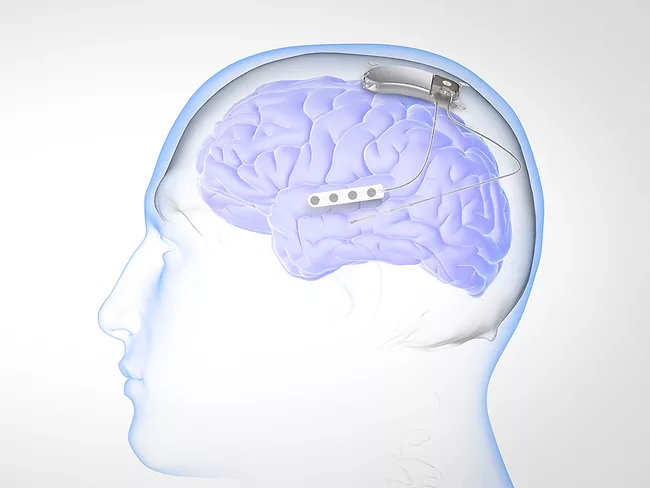
People with drug-resistant epilepsy have had few other options, but Neuropace Inc. appears on target to provide an alternative. The Nautilus trial of its responsive neurostimulation system for individuals with drug-resistant idiopathic generalized epilepsy showed a 77% reduction in generalized tonic-clonic seizures sustained over 18 months.
The U.S. FDA granted accelerated approval for the Biologics License Application for Axogen Inc.'s Avance, an acellular nerve allograft that serves as a scaffold for nerve regrowth, for treatment of patients with sensory, mixed and motor peripheral nerve discontinuities. The company expects Avance to be commercially available in the second quarter of 2026.
Saluda Medical Pty Ltd. announced a AU$231 million ($152.7 million) initial public offering on the Australian Securities Exchange to scale up its U.S. footprint for its Evoke spinal cord simulation system for chronic pain.
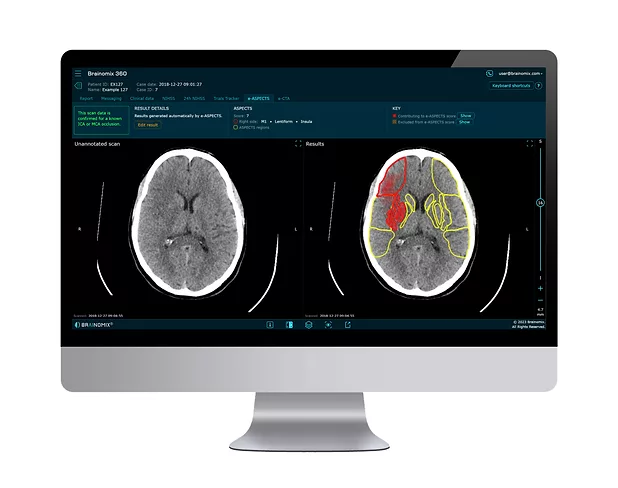
Brainomix Ltd. reported the publication of a prospective real-world study demonstrating that its AI imaging platform, Brainomix 360 Stroke, significantly increased rates of endovascular thrombectomy (EVT) treatment, a minimally invasive surgical procedure for patients with large vessel occlusion stroke, and reduced delays in patient triage and transfer.
At the 2025 annual meeting of the Society for Neuroscience in San Diego this week, Catherine Woolley’s plenary lecture was an unusual combination of debunking and affirming the importance of sex differences in the brain.
Changes to a U.S. CDC website regarding autism and vaccines has sparked a backlash from numerous scientific and other groups, placing HHS Secretary Robert F. Kennedy Jr. (RFK) in the spotlight once again for appearing to break promises made earlier this year to secure his nomination.
U.S. and European organ-on-a-chip specialty biotechnology companies are driving development of organ-on-a-chip technologies, fueled by the U.S. FDA’s decision to phase out animal testing for investigational new drugs.
Researchers from the Chinese Institute for Brain Research, the Chinese Academy of Medical Sciences, and their collaborators have identified adenosine as the driving force behind the rapid, fast-acting antidepressant effects of ketamine and electroconvulsive therapy (ECT). “Our journey into this area of research began over a decade ago, around 2013, when the clinical world was buzzing with excitement about ketamine's remarkably rapid antidepressant effects,” Minmin Luo, co-senior author of the study, told BioWorld.
 RSS
RSS