Elutia Inc. agreed to sell its Elupro and Cangaroo bioenvelopes for implantable medical devices to Boston Scientific Corp. for $88 million in cash. Elutia will use the funds to further development of NXT-41x, an antibiotic biomatrix designed to reduce post-surgical complications in breast reconstruction.
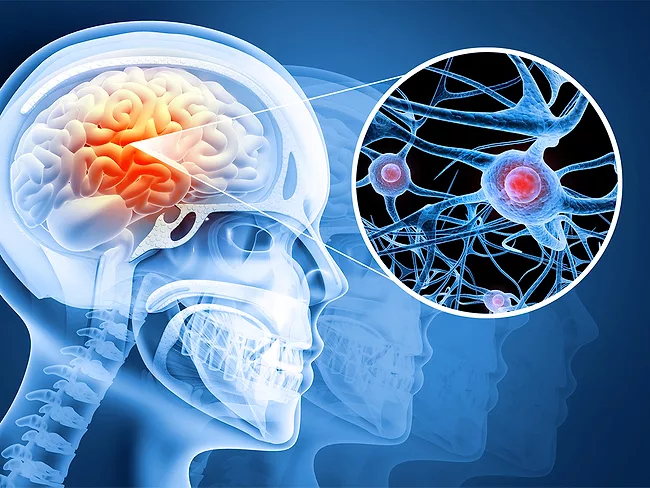
Two independent studies have linked neuronal injury, inside or outside the brain, to cancer progression and offer new biomarkers and strategies for prevention. While cerebral cancer cells damage axons and drive tumor development, in other types of cancer affecting other organs, nerve disruption caused by tumor proximity triggers inflammation and a suppressive environment that may also be associated with immunotherapy resistance.
Patients often wait for a long time to see a mental health specialist to get the help they need, and Greymind AI’s mental health platform, Reboot AI, offers a stop-gap measure to provide structured early intervention with built-in escalation to human clinicians.
Rhovica Neuroimaging AG raised CHF 2.3 million (US$2.85 million) in a pre-seed financing round for Sonav, its bedside navigation system designed for extraventricular drainage. With its integrated sensors that provide real-time visualization to guide catheter insertion into brain ventricles, Sonav has the potential to transform emergency neurosurgery by improving safety and precision.
Neurovalens Ltd raised £6 million (US$8 million) in an investment round for its non-invasive neurostimulation devices, which treat insomnia and manage anxiety. The company will use the funds to expand its presence in the U.S. and accelerate sales of its U.S. FDA-cleared devices, Modius Sleep and Modius Calm. The round was led by the Investment Fund for Northern Ireland (IFNI) with support from new and existing investors.
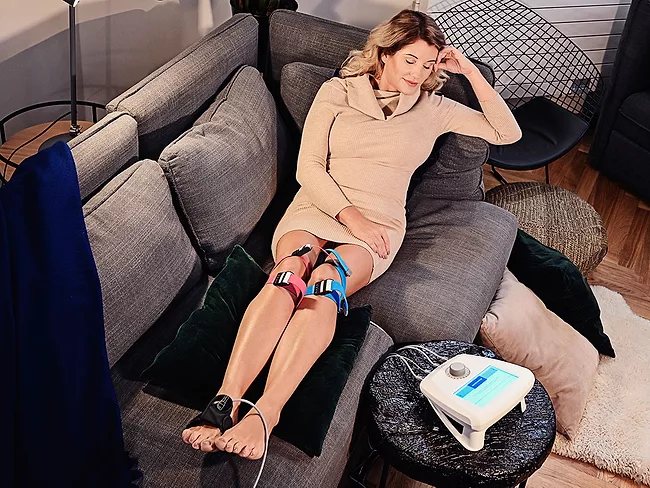
Stimvia s.r.o.’s Uris system, which delivers peroneal electrical transcutaneous neuromodulation, successfully treated the symptoms of Parkinson’s disease. The non-invasive device, originally developed to treat overactive bladder, safely reduced tremors and improved the quality of life of the patients suffering from Parkinson’s.
A new method for accelerating the maturation of neuronal cell models and brain organoids is poised to make it possible to track the etiology of neurodegenerative diseases that develop over decades.
Medtronic plc posted nearly 50% year-over-year growth in its cardiac ablation business this quarter, with a 72% increase in revenue in the U.S., largely driven by pulsed field ablation. With significant opportunity in renal denervation and a new committee to look at growth including M&A and divestitures and another to review operations, analysts think the company stands a good chance of shedding its “chronic underperformer” image.
Neuroone Medical Technologies Corp. expanded into treatment of chronic pain with a new U.S. FDA clearance for use of its Onerf system to treat trigeminal nerve pain. The system uses radiofrequency ablation to disrupt pain signals from the nerve to the brain.
The difference between the origin of Alzheimer's disease (AD) and its symptoms is an obstacle to finding effective treatments. Scientists focused on amyloid-β (Aβ) plaques and tau aggregates to slow neurodegeneration and cognitive decline. Without identifying what causes AD, approved treatments do not provide much benefit.
 RSS
RSS