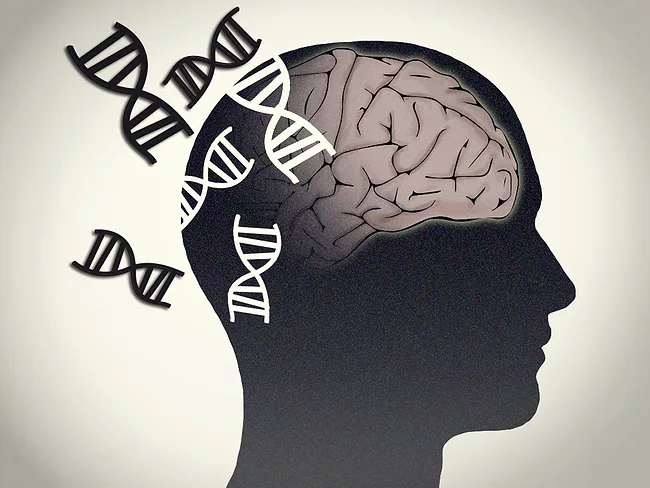
A collaboration of scientists from the NIH Brain Initiative consortium has published eight simultaneous studies in Neuron, Cell, Cell Genomics, Cell Reports and Cell Reports Methods, with the results of the Armamentarium project, a new set of gene therapy tools for the research and treatment of human brain disorders. The methodology, based on genetic techniques, RNA detection, genomic enhancers and viral vectors, is designed to access different CNS cell types, neuronal and non-neuronal cells, with common and reproducible protocols now available for any laboratory.
Mirroring results reported in a phase IIb study, Apnimed Inc.’s first of two pivotal trials testing AD-109 as an oral therapy in obstructive sleep apnea hit primary and secondary endpoints. Should similar findings emerge from a second phase III trial, expected to read out in a couple of months, the privately held firm anticipates a U.S. NDA filing in early 2026.
A low-intensity transcranial ultrasound stimulation device, developed by Sonomind SAS, was proven to be safe and effective in treating patients suffering from drug-resistant depression. The results of a study published in Brain Stimulation showed a 61% reduction in the depressive symptoms of patients treated with the device over a five-day period, with no serious adverse events.
Mentaily Ltd. raised $3 million in seed funding for its AI-powered mental health diagnosis, triage and support tool, Liv. The platform is designed to help patients suffering from psychological distress and mental illness.
The U.K. National Institute for Health and Care Excellence (NICE) endorsed the use of the Orbit system by Mindtech Ltd. as a treatment for tics and Tourette syndrome.
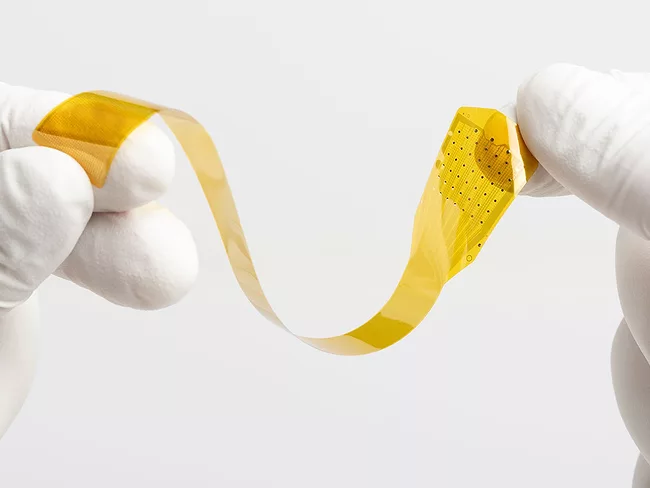
The recent 510(k) clearance by the U.S. FDA for a core part of Precision Neuroscience Corp. brain-computer interface technology is certainly a boon for the company, and others developing the devices. For the millions of people suffering from health disorders, such as motor neuron disease, spinal cord injury or severe stroke, its sign that a solution which could transform their lives could be just a few years away.
Following a complete response letter last year, Satsuma Pharmaceuticals Inc. received U.S. FDA approval of dihydroergotamine nasal powder to treat acute migraine with or without aura. Branded Atzumi, it is the first product that uses Satsuma’s SMART (Simple MucoAdhesive Release Technology) platform that combines an advanced powder and device technology aimed at making delivery more simple.
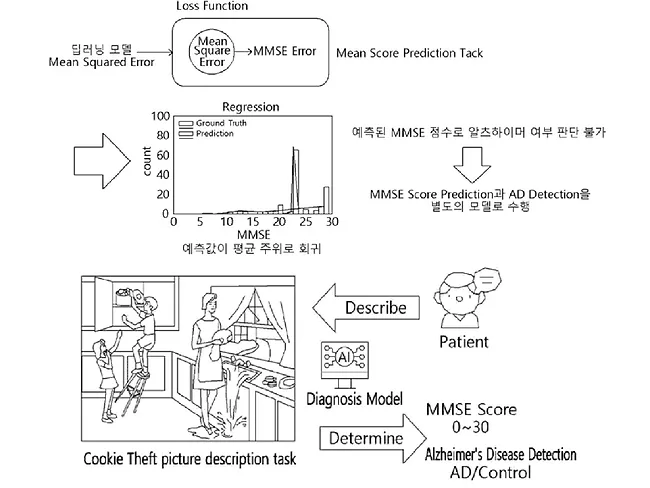
Seoul, South Korea-based Voinosis Co. Ltd. filed for potential worldwide protection of its AI-based system that allows for the early detection cognitive impairment, dementia, Alzheimer’s disease and hearing loss through voice analysis.
The U.S. Centers for Medicare & Medicaid Services will hold an advisory meeting regarding devices for treatment of symptoms for Parkinson’s disease, but the agency indicated that it expects to see longer-term data for these treatments if manufacturers want Medicare coverage.
A large-scale study has revealed the impact of germline variants on proteins in 10 cancer types. Scientists from the National Cancer Institute’s Clinical Proteomic Tumor Analysis Consortium (CPTAC) conducted a precision proteogenomic analysis in a pan-cancer study with data from 1,064 patients, identifying tumor heterogeneity and tumorigenesis associated with heritable genetic alterations.
 RSS
RSS