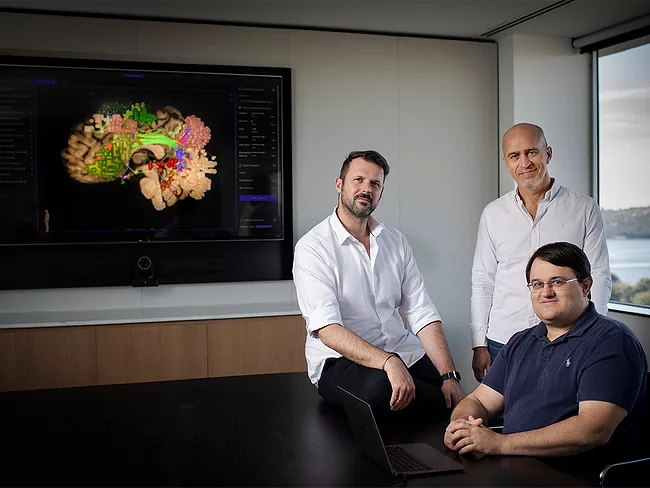
PERTH, Australia – The FDA gave the thumbs up to Omniscient Neurotechnology Ltd.’s Quicktome, the first brain connectomics planning software that provides neurosurgeons with a digital brain mapping platform to visualize and understand a patient's brain networks before performing brain surgery. By visualizing networks that are responsible for complex functions such as language, movement, and cognition, Quicktome assists neurosurgeons in making more informed decisions and reduces surgical uncertainty.
Fibromyalgia is an often debilitating condition, characterized by chronic pain throughout the body that can leave patients fatigued, depressed and unable to perform even the simplest of activities. While a handful of drugs have been approved to treat this autoimmune disorder, they can have unpleasant side effects and do not benefit all patients. To that end, the FDA has granted a breakthrough device designation to Neurometrix Inc.’s Quell wearable neurostimulation device for treating the symptoms of fibromyalgia in adults.
Regardless of the controversy swirling around the FDA’s accelerated approval of Biogen Inc.’s Alzheimer’s drug, Aduhelm, that U.S. approval is expected to open the door to more opportunities for Alzheimer’s treatments and diagnostics.
PARIS – Aleva Neurotherapeutics SA reported the first successful implantation of its Directstim directional deep brain stimulation (DBS) system into a patient suffering from Parkinson’s disease. The procedure involving this new generation of active brain device was performed by neurosurgeon Stephan Sobottka, from the Clinic for Neurosurgery at the University Hospital Carl Gustav Carus in Dresden, Germany.
Orexo AB enrolled the first patient in a pivotal trial of its digital therapeutic Modia plus sublingual buprenorphine/naloxone for treatment of opioid use disorder (OUD). Orexo’s Zubsolv, the combination of buprenorphine and naloxone used in the study, has been employed to help U.S. patients with OUD since 2013.
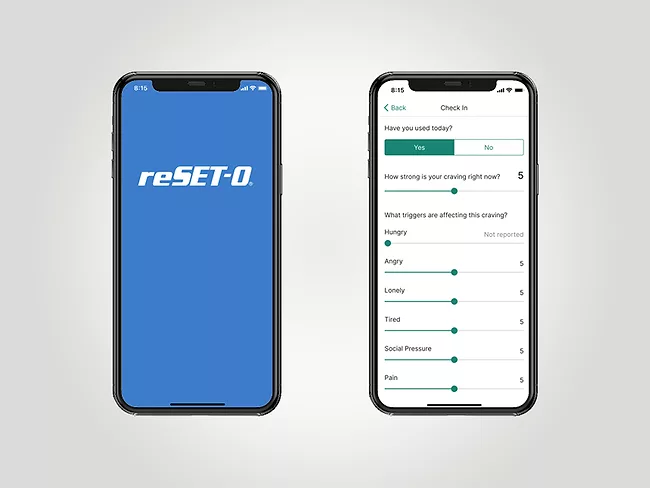
Pear Therapeutics Inc. released nine-month, real-world data showing long-term reduction in costly health care utilization categories, including inpatient stays and emergency department visits, in patients with opioid use disorder (OUD) who utilize its Reset-O prescription digital therapeutic. The findings suggest that Reset-O could help to stabilize patient outcomes long-term when used in conjunction with outpatient treatment.
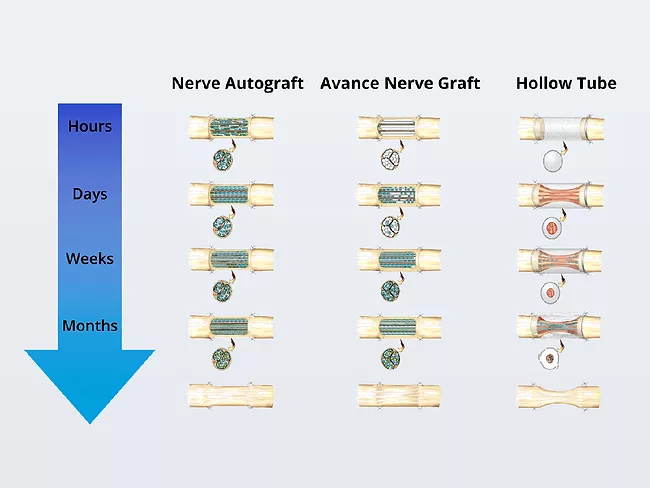
Axogen Corp. has developed a suite of products to meet the needs of the 1 million patients in the U.S. who undergo surgery each year to repair peripheral nerve damage. While the process the company uses to decellularize nerves harvested from human donors and clear them of all cellular debris so they can be used as scaffolding for nerve regeneration has been successful, with the Recon study, Axogen aims to increase the utility of the purified nerve tissue by adding materials that promote growth.
A five-minute artificial intelligence (AI)-based system from Cognetivity Neurosciences Ltd. that can detect common symptoms of Alzheimer’s disease years before they become visible using a tablet or smartphone is poised to change how this devastating disease is diagnosed.
Hyerfine Inc. and Liminal Sciences Inc. have joined a growing field of med-tech startups that are combining with blank check companies as an alternative path for venture-backed companies to an initial public offering (IPO). On Thursday, the companies announced a three-way combination with Healthcor Catalio Acquisition Corp., a special purpose acquisition company (SPAC), in a deal valued at approximately $580 million.
Neuro- and peripheral-vascular interventional med-tech developer Zylox-Tonbridge Medical Technology Co. Ltd. raised HK$2.56 billion (US$329 million) in Hong Kong on July 5 via an IPO that will support the development and commercialization of its core products.
 RSS
RSS