Our immune cells are not just “defenders” against deadly viruses and pathogens but also a great balancer for tissue homeostasis. For neurological disorders, understanding the neuro-immune axis could be key to treating previously untreatable conditions such as autism spectrum disorder, according to Jun R. Huh, professor of immunology at Harvard Medical School.
Sarepta Therapeutics Inc. has signed a licensing and collaboration agreement with Arrowhead Pharmaceuticals Inc. to obtain exclusive global rights to multiple clinical, preclinical and discovery-stage programs for rare genetic diseases of the muscle, central nervous system (CNS) and the lungs. The deal includes ARO-DUX4, ARO-DM1, ARO-MMP7 and ARO-ATXN2.
Enveric Biosciences Inc. has completed preclinical pharmacokinetic (PK) studies of EB-003 in rats and dogs, further supporting EB-003’s oral bioavailability and targeted nonhallucinogenic profile. EB-003 is a neuroplastogen designed to promote neuroplasticity without inducing hallucinations in patients with difficult-to-address mental health disorders.
Oxford Nanopore Technologies Ltd. has established a new collaboration with UK Biobank to create the world’s first comprehensive, large-scale epigenetic dataset. The project will utilize Oxford Nanopore’s DNA/RNA sequencing technology to map the epigenome of 50,000 blood samples from UK Biobank to unlock insights into disease mechanisms, with the aim of improving patient outcomes.
Diagnosing depression and other mental illnesses is largely subjective, but that could soon change as Sydney-based Trivarx Ltd. developed an AI-based algorithm that uses heart rate and heart rate variability coupled with sleep disturbance to diagnose major depressive episodes.
Fifty years after the term brain-computer interface (BCI) was coined, Neuralink and several other companies are reviving the promise of BCI for health care, as artificial intelligence and novel methods of neural signal detection work hand-in-hand to propel biomedical innovation.
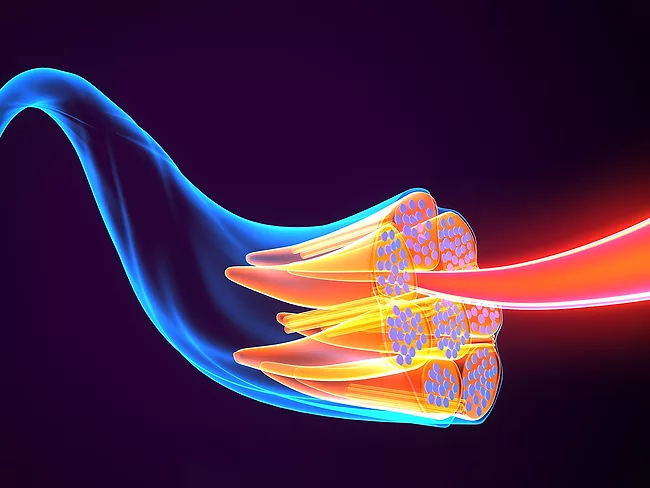
At the Breakthroughs in Muscular Dystrophy special meeting held in Chicago Nov. 19-20, 2024, and organized by the American Society of Gene & Cell Therapy (ASGCT), multiple interventions at the RNA level were among the approaches that were presented to fight muscular dystrophies.
China’s drug regulator approved Alpha Biopharma Ltd.’s EGFR tyrosine kinase inhibitor (TKI), Zorifer (zorifertinib hydrochloride tablets; AZD-3759), as a first-line treatment for EGFR-mutated non-small-cell lung cancer (NSCLC) with brain metastases.
On the heels of U.S. FDA approval for Neurophet Aqua, an updated version of its artificial intelligence (AI)-based magnetic resonance imaging analysis software for the brain, Neurophet Inc. is preparing for an IPO in 2025 and expansion into U.S. and European markets.
Since the isolation of the gene that causes Duchenne muscular dystrophy (DMD), scientists have progressed in understanding the mechanisms that lead to muscular diseases that can be evident from the early stages of childhood. This has led to the development of diagnostics and therapeutics, some approved by the FDA.
 RSS
RSS