Scientists at Cerevance Inc. and Cerevance Ltd. have described potassium channel subfamily K member 13 (KCNK13; THIK-1) blockers reported to be useful for the treatment of fibrosis, depression, diabetes, gout, psoriasis, atherosclerosis, inflammatory bowel disease and traumatic brain injury.
Scientists from the PsychENCODE Consortium have analyzed the brain transcriptome in a coordinated series of studies to map all the cell types, genes, epigenetic factors, and molecular pathways involved in different psychiatric disorders. After a first set of projects based on bulk analysis, the second phase of this project included 14 simultaneous publications that revealed the cellular atlas of post-traumatic stress disorder and major depressive disorder, among others.
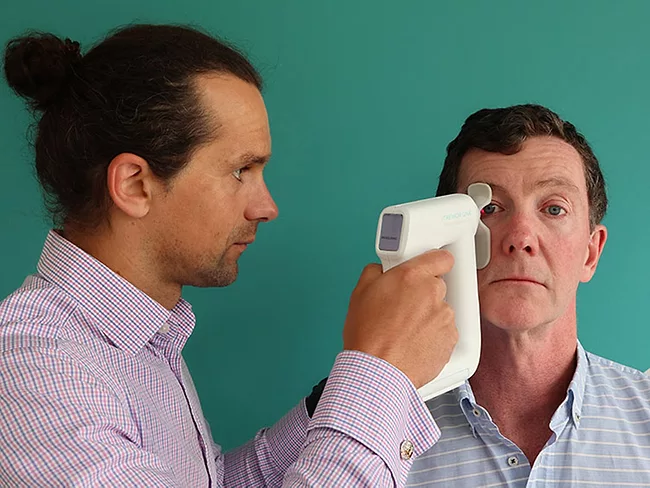
Two companies – Head Diagnostics Ltd. and Octave Bioscience Inc. – identified biomarkers that could provide objective assessments of disease progression and response to treatment for patients with multiple sclerosis.
Kapoose Creek Bio Corp. has announced the identification and advancement of two lead compounds with potential in neurology, specifically for indications in neurodegeneration and mental health. The compounds, KCB-100 and KCB-200, have shown potent neuroplastic and neuroprotective activity in gold-standard tests of primary neurons.
Understanding psychiatric disorders at a cellular and molecular level could provide a different perspective to design diagnostic and therapeutic tools searching for the origin of these disorders and the alterations they cause. Fourteen simultaneous studies from the PsychENCODE Consortium have delved into the cellular atlases of human neurodevelopment, reporting the broadest view of neuropsychiatry to date.
Tetra Pharm Technologies ApS and Kvanctify ApS have entered into a strategic partnership to accelerate the identification and development of novel drug candidates targeting the endocannabinoid system.
Chinese investigators have reported that high levels of triggering receptor expressed on myeloid cells 2 (TREM2) expression, which are immunosuppressive in multiple solid tumors, were protective in glioblastoma multiforme (GBM). The findings were published May 23, 2024, in Cancer Cell.
Neuren Pharmaceuticals Ltd.’s NNZ-2591 met the primary endpoints in a phase II trial in children with Pitt Hopkins syndrome, with improvements seen in communication, social interaction, cognition and motor abilities, according to top-line results.
Phosphatidylinositol 4,5-bisphosphate (PI(4,5)P2), also known as PIP2, is a cellular membrane phospholipid generated by phosphatidylinositol phosphorylation that regulates the functions of several proteins.

 RSS
RSS