U.S. policy, China’s strategic rise, blockbuster deals and AI dominated South Korea’s biotechnology industry this year, with U.S. tariffs and the Biosecure Act’s hitch onto 2026 legislation serving as major topics of speculation.
U.S. policy, China’s strategic rise, blockbuster deals and AI dominated South Korea’s biotechnology industry this year, with U.S. tariffs and the Biosecure Act’s hitch onto 2026 legislation serving as major topics of speculation.
Neushen Therapeutics Inc. has disclosed N-acetyl-β-D-glucosaminidase (O-GlcNAcase; OGA) inhibitors reported to be useful for the treatment of Alzheimer’s disease.
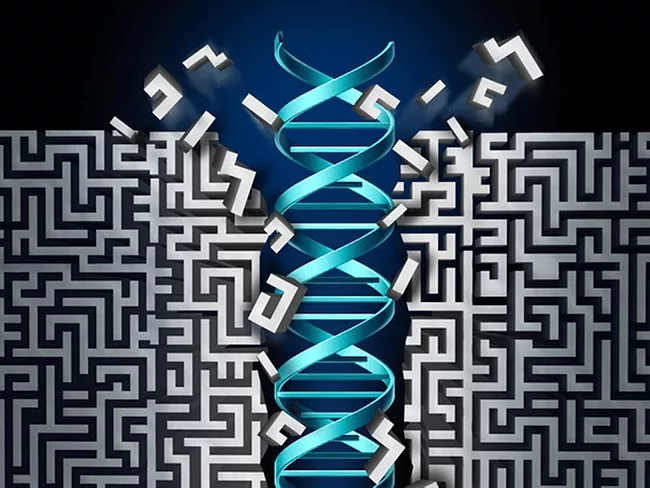
Gene editing technologies are moving forward in preclinical development with innovative strategies designed to treat diseases at their root and even reverse them. However, many approaches still struggle to reach target cells or tissues – either they fail to arrive, or their efficacy is low. In vivo therapies face numerous challenges, but despite these hurdles, 2025 has marked a year of remarkable progress.
Gene therapy has had its commercial struggles in the past year. The cost to patients is in the millions and fewer are stepping forward for treatment than companies would like. While development continues in this game-changing field, some have struggled with regulatory authorities during development while others have just stepped away altogether.
Shionogi & Co. Ltd. will acquire global rights to U.S. FDA approved amyotrophic lateral sclerosis therapy edaravone through a $2.5 billion acquisition deal with Tanabe Pharma Corp. Under the terms, Tanabe will form a new entity harboring both oral and intravenous (I.V.) infusion formulations of edaravone that are marketed in the U.S. as Radicava ORS and I.V. Radicava.
Reviva Pharmaceuticals Holdings Inc. may be headed back to the clinic for another phase III study of brilaroxazine in treating schizophrenia. With a successful series of early and mid-stage studies behind the treatment, the U.S. FDA recommended a second study for the serotonin-dopamine and neuroinflammatory signaling modulator after a pre-NDA meeting in order to net more efficacy results and expand the safety dataset.
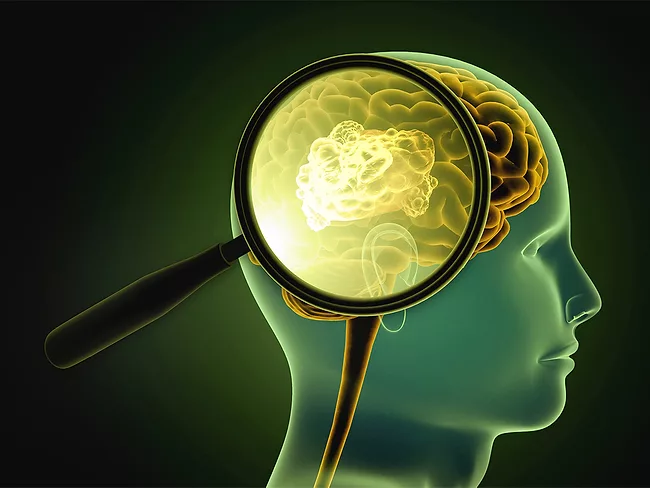
Researchers at the University of Sydney have uncovered a mechanism that may explain why glioblastoma returns after treatment, and the world-first discovery offers new clues for future therapies. Glioblastoma is one of the deadliest brain cancers, accounting for about half of all brain tumors, with a median survival rate of just 15 months. Despite surgery and chemotherapy, more than 1,250 clinical trials over the past 20 years have struggled to improve survival rates.
 RSS
RSS