The busy Prader-Willi syndrome (PWS) space took another hit as did shares of Aardvark Therapeutics Inc. (NASDAQ:AARD), which closed March 2 at $5.47, down $7.02, or 56%, after the company disclosed a voluntary pause of the phase III Hunger Elimination or Reduction Objective (HERO) trial testing ARD-101 as a treatment for hyperphagia, or intense hunger, in patients with the disease.
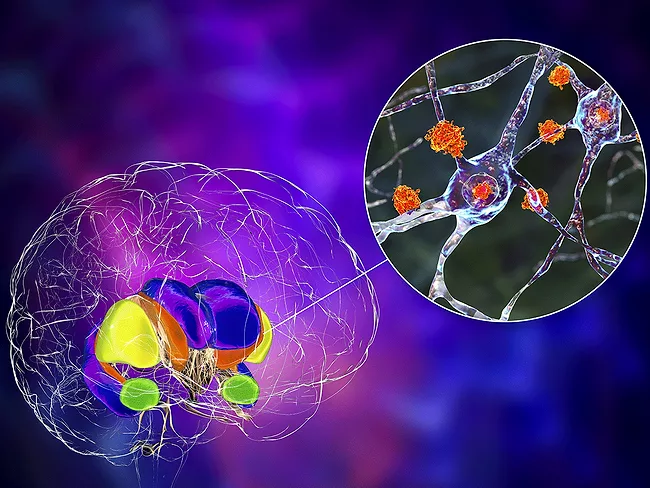
Uniqure NV is the latest firm to get caught between the FDA’s shifting demands for “gold standard” science and regulatory flexibility for rare disease therapies. The company disclosed in its latest earnings report that U.S. regulators are calling for a sham-controlled study before they will consider approval of gene therapy AMT-130 in Huntington’s disease, a requirement that could set the program back by two to three years and raises potential ethical issues.
Sumitomo Pharma Co. Ltd. has patented aminomethylcyclohexane derivatives acting as muscarinic M4 receptor antagonists. As such, they are described as potentially useful for the treatment of neurodegenerative diseases, cerebrovascular disorders, brain injury, movement and psychiatric disorders.
The psychedelic and psychedelic-like drug space made another stride as Ataibeckley Inc. disclosed positive top-line data from a double‑blind, placebo‑controlled, first-in-patient phase IIa study testing oral R-MDMA therapy EMP‑01 in adults with social anxiety disorder (SAD).
The University of Southern California has identified (2-oxo-2H-chromen-3-yl) scaffold-based carboxamide analogues acting as potent microtubule-associated protein τ (PHF-τ; MAPT) aggregation inhibitors.
Rgenta Therapeutics Inc. has announced preclinical data on RGT-0474060, an oral PMS1 inhibitor for Huntington’s disease. RGT-0474060 is an orally bioavailable small molecule designed to inhibit PMS1 RNA and protein expression, to modulate splicing of CAG repeat expansion known to cause Huntington’s disease.
The effects of aging pose an additional challenge for people with HIV due to the neurological and psychological consequences that persist despite antiretroviral therapy. At the Conference on Retroviruses and Opportunistic Infections (CROI) held Feb. 22-25, 2026, in Denver, the scientific community examined how the virus affects the brain, how the reservoir is established in the CNS, and which genetic, immunological or treatment-related factors influence cognitive health.
Slate Medicines Inc. has launched with $130 million in series A financing and a focus on advancing next-generation therapeutics for migraine and other headache disorders.
Porosome Therapeutics Inc. has announced the development of novel first-in-class porosome-targeting small molecules and blood-brain barrier-traversing peptide drugs developed using the company’s Porosome.AI platform to treat various secretory disorders, such as Alzheimer’s disease and type 2 diabetes.
Japan is backing conditional approvals of Amchepry (raguneprocel, Sumitomo Pharma Co. Ltd./Racthera Co. Ltd.) and Reheart (Cuorips Inc.), positioning them to become the world’s first induced pluripotent stem cell-derived (iPSC) therapies to receive regulatory clearance.
 RSS
RSS