Facioscapulohumeral muscular dystrophy (FSHD) is a skeletal muscular dystrophy characterized by DNA hypomethylation of D4Z4 repeat units of a macrosatellite array found at the distal end of chromosome region 4q35, which causes a myotoxic expression of DUX4. Researchers from Epic-Bio presented the discovery of EPI-321, a novel gene therapy candidate for the treatment of FSHD.
When tissue injury occurs, stressed cells release a bunch of intracellular molecules called damage-associated molecular pattern (DAMP) proteins. S100 calcium binding protein A9 (S100A9) is a DAMP usually found in macrophages and is involved in multiple inflammatory responses, such as activation of Toll-like receptor 4 (TLR4).
Biohaven Ltd. has acquired global rights, excluding China, from Highlightll Pharmaceutical Co. Ltd. to develop and commercialize a dual inhibitor of tyrosine kinase 2 (TYK2) and JAK1, BHV-8000 (TLL-041), for the treatment of brain disorders in a deal worth up to $970 million.
Just days after Karuna Therapeutics Inc. reported positive data from a third registrational trial of Karxt (xanomeline plus trospium) in schizophrenia, Puretech Health plc sold a portion of its royalty in Karxt in a potential $500 million agreement with Royalty Pharma. Puretech was a founder of Karuna and co-inventor of Karxt, an oral M1/M4-preferring muscarinic agonist.
Biohaven Ltd. has acquired global rights, excluding China regions, from Hangzhou Highlightll Pharmaceutical Co. Ltd. for TLL-041, now designated BHV-8000, an oral, brain-penetrant, highly selective, dual TYK2/JAK1 inhibitor, for neurological disorders.
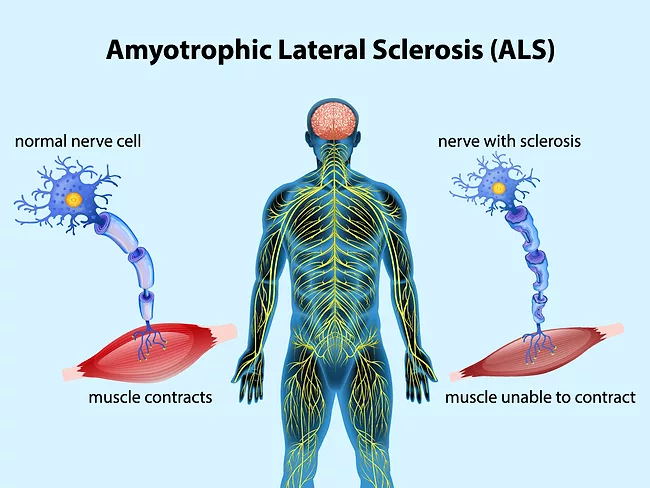
Amyotrophic lateral sclerosis (ALS) is a fatal neurodegenerative disease characterized by failure of motor neurons that lead to paralysis. To date, no treatment exists for ALS that focuses on improving neuromuscular transmission, which would improve quality of life for ALS patients.
FDA approval of Aduhelm (aducanumab), as the first disease modifying drug for Alzheimer’s, may have had a distinctly lukewarm reception in some quarters, but it is an important starting point in treating dementia, with a myriad of other avenues now being pursued in discovery and development.
If you believe the theme of the World Dementia Council (WDC) meeting in London this week, dementia is “in a new era,” where it will be possible to prevent, diagnose and treat neurodegenerative disease. That is not the case for most people living with dementia today, but the approval of the first disease-modifying drugs and the imminent arrival of new blood-based biomarkers is “a big moment,” Lenny Shallcross, executive director of WDC told the meeting on Mar. 20.

 RSS
RSS