Vesigen Therapeutics Inc. has been awarded a grant by the Friedreich’s Ataxia Research Alliance (FARA) to develop a targeted genome editing therapeutic strategy for Friedreich’s ataxia.
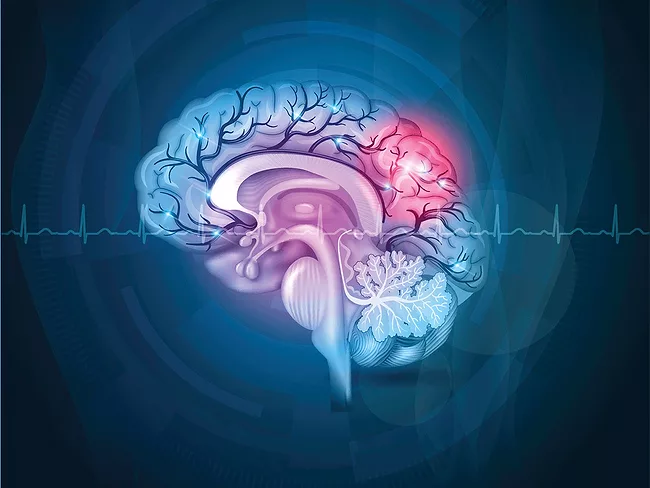
High levels of bilirubin exacerbated damage to neurons in the brain caused by a stroke by binding to the TRPM2 channel, which helped regulate cell death among other processes. The research, led by Shanghai Jiao Tong University School of Medicine and the University of Toronto and published March 14, 2023, in Neuron, showed that blocking the binding site for bilirubin in a mouse model led to improvements in neurotoxicity suggesting some potential for the development of new stroke therapeutics.
Newco Teitur Trophics ApS has raised €28 million (US$30.1 million) in a series A with which it will lay out a new route to targeting sortilin in the treatment of neurodegenerative diseases. The company is targeting the sortilin-related Vps10p domain containing receptor, which plays a role in regulating a number of pathways involved in the control of neuronal viability and function.
The U.S. Veterans Health Administration (VA) is being applauded for doing what Medicare has refused to do – provide coverage for Leqembi (lecanemab) in the early stages of Alzheimer’s disease. Under the March 13 VA decision, the Eisai Co. Ltd. drug, which was partnered with Biogen Inc. and granted accelerated approval in January, will be listed as a nonformulary therapy that must be prescribed by a VA-board certified neurologist, geriatric psychiatrist or geriatrician who specializes in treating dementia.
Switch Therapeutics Inc. has announced its launch following US$52 million of financing. The company was founded on the premise of a new type of RNA medicine that integrates nucleic acid nanotechnology and RNA interference (RNAi) science.
Teitur Trophics ApS, a spinout from Aarhus University seeded by the Bioinnovation Institute in 2020, has completed a €28 million (US$30.1 million) series A financing. Teitur has developed a platform of first-in-class cyclic peptides with a novel mechanism that preserves neuronal function, and these peptides have the potential to treat a broad range of neurodegenerative diseases.
The Hallmarks of Cancer are a core set of processes that are broadly deregulated in many types of cancer. Douglas Hanahan and Douglas Weinberg first introduced the concept, with six candidate hallmarks, in 2000. Since then, two additional hallmarks have been added. And the hallmarks have also been complemented by the description of enabling characteristics, which are prerequisites necessary for cells to acquire the hallmarks themselves.
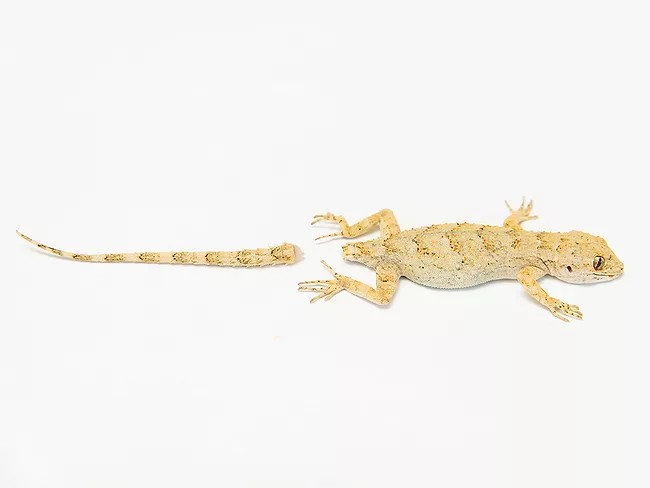
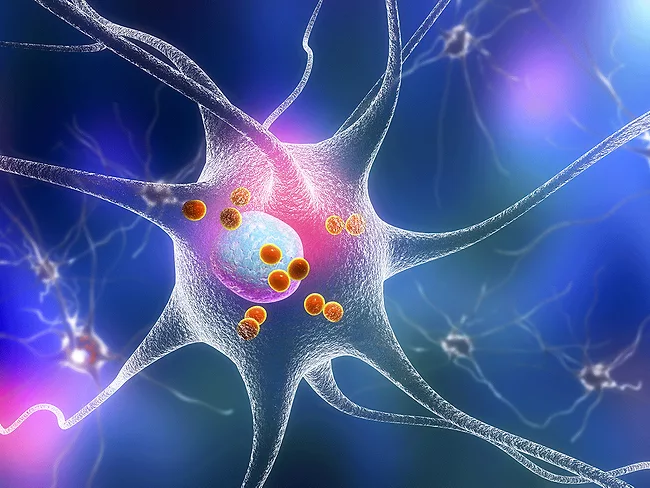
Losing the tail to survive. In neurons, the lizard’s strategy, losing the axon to be safe, could prevent cell death. Scientists at Harvard Medical School have observed that certain toxins activated axon loss to prevent damage and survive. This mechanism was mediated by the Gasdermin-E (GSDME) protein, which destroyed the mitochondria in the axons and eliminated the affected nerve projection before the cell died. The inhibition of GSDME prevented the loss of neurons and delayed the progression of amyotrophic lateral sclerosis (ALS) in mice models.
Mindset Pharma Inc. has patented indole derivatives acting as 5-HT2A receptor agonists and reported to be useful for the treatment of neurological disorders and psychosis.
Olatec Therapeutics LLC has been awarded a research grant by The Michael J. Fox Foundation for Parkinson’s Research (MJFF) to evaluate its lead molecule, dapansutrile (OLT-1177), in preclinical Parkinson’s disease progression models.
 RSS
RSS