Bionomics Ltd. is gearing up for an end-of-phase-II meeting with the U.S. FDA later this year to discuss the full results from the phase II study called Prevail in social anxiety disorder (SAD) with BNC-210, which missed its primary endpoint but yielded encouraging signs. Top-line data were disclosed last December. An oral alpha-7 nicotinic acetylcholine receptor negative allosteric modulator, BNC-210 fell short in change from baseline to the average of the Subjective Unites of Distress Scale (SUDS) during a five-minute public speaking challenge.
Marking the latest Alzheimer’s disease (AD) disappointment, Eli Lilly and Co.’s solanezumab failed in a phase III trial to slow progression of cognitive decline in patients at the preclinical stage of the disease – those with amyloid plaque but no clinical symptoms – prompting the company to terminate development. The Indianapolis-based company is turning its attention instead to phase III AD products donanemab and remternetug.
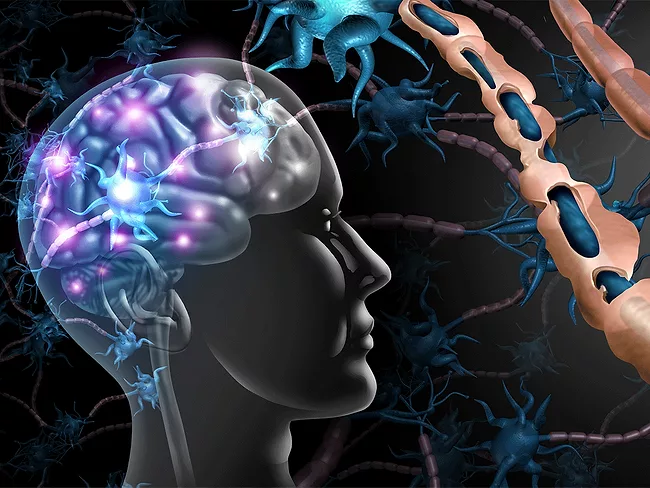
Tumor necrosis factor (TNF) has been implicated in the pathogenesis of several neurological disorders, such as multiple sclerosis (MS). Its transmembrane form activates the type II tumor necrosis factor receptor (TNFR2), functioning via cell-to-cell contact. In contrast, its soluble form activates TNFR1; studies in animal models have evidenced TNFR1 to activate neurotoxic pathways, while TNFR2 activation pathways may have protective effects within the central nervous system due to activation of reparative mechanisms.
The 16p11.2 duplication is a copy number variant that has been previously identified to confer risk for diverse neuropsychiatric disorders, including autism spectrum disorder, schizophrenia, intellectual disability and epilepsy. Researchers from Northwestern University Feinberg School of Medicine aimed to assess disease networks associated with this broad phenotypic spectrum.
Scientists from Washington University in St. Louis have described a role for T cells in the neurodegeneration associated with the tau protein. Tau accumulation in the brain activated microglia. This signal triggered the activation of T cells in other parts of the body, attracting them to the brain. Once there, the interaction of these T cells and microglia produced the neuronal damage seen in Alzheimer’s disease and other tauopathies.
The U.S. Recover program, set up in July 2022 to identify the causes of long COVID, find biomarkers of disease and discover new therapeutic targets, is now preparing to move to its next phase and begin testing potential treatments in a multi-arm, randomized, placebo-controlled trial. But with 200 different symptoms, and limited understanding of relevant system-level pathological targets, there are significant hurdles to be overcome.
Massachusetts General Hospital and University of California Oakland have described 15-lipoxygenase (LOX) inhibitors reported to be useful for the treatment of stroke, among others.
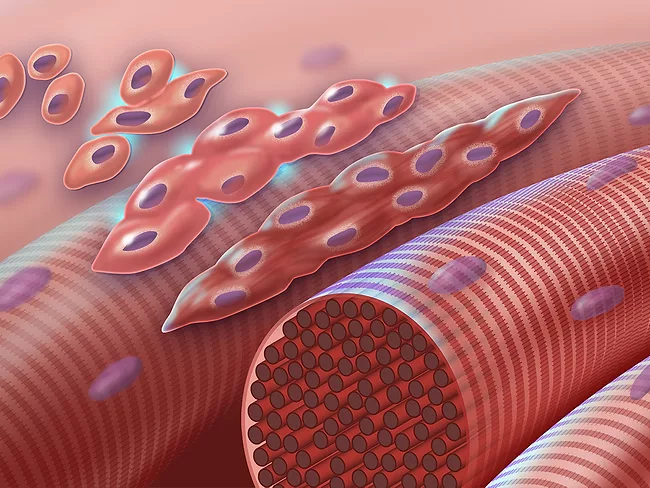
Researchers have linked Duchenne muscular dystrophy (DMD) to a loss of regenerative capacity of muscle stem cells. The findings, which were published in the March 1, 2023, issue of Science Translational Medicine, suggest that boosting the regenerative capacity of muscle stem cells could delay or perhaps even prevent the progression of DMD. DMD is “an early and horrible disease,” senior author Frederic Relaix, who is the director of a research team studying the biology of the neuromuscular system at the Mondor Institute for Biomedical Research told BioWorld.
Noema Pharma AG raised CHF103 million (US$110.3 million) in a series B round to continue moving forward its bulging pipeline of clinical stage assets in development for multiple central nervous system disorders. The Basel, Switzerland-based company is now funded through early 2025, by which time it will have at least some clinical data that will help it to determine its next steps.
Rapport Therapeutics Inc. launched with $100 million in series A funding and ambitious plans to bring a hitherto unprecedented level of precision to therapies for neurological disease. Although the Boston-based company is new to the world, its underlying platform has been a decade in the making, and it already has one clinical-stage asset, which is in development for seizure disorders. It is currently undergoing a phase I trial.

 RSS
RSS