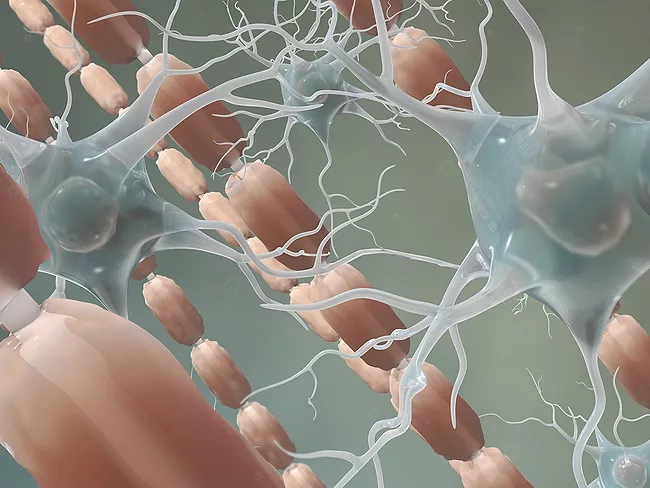
Tau is an intrinsically disordered protein that regulates the stability and dynamics of microtubules in physiological conditions. Recent work has revealed the involvement of tau in various neuronal processes. Researchers from the University of California and collaborators aimed to systematically investigate the cellular factors that control the accumulation of tau aggregates in human neurons.
The U.S. FDA accepted, with priority review, Takeda Pharmaceutical Co. Ltd.’s NDA submission for oveporexton (TAK-681), bringing the oral orexin receptor 2 agonist closer to clearance in narcolepsy type 1.
Aquinnah Pharmaceuticals Inc. has disclosed new microtubule-associated protein τ (PHF-τ; MAPT) aggregation inhibitors designed for use in the treatment of Alzheimer’s disease and frontotemporal dementia.
Hypoxic-ischemic brain injury (HIBI) is a condition affecting neonates and is a leading global cause of perinatal neurological morbidity, with limited therapeutic options. Regarding its pathogenesis, the ion channel-kinase transient receptor potential melastatin 7 (TRPM7) is a known contributor to HIBI pathology and was the focus of a recently reported study.
Researchers from Tr1x Inc. presented the development of TRX-319, a novel allogeneic regulatory T-cell therapy designed for the treatment of autoimmune disorders.
Precision Biosciences Inc. has received FDA clearance of its IND application enabling clinical trial site activation for a phase I/II trial (FUNCTION-DMD) of PBGENE-DMD for the treatment of ambulatory patients with Duchenne muscular dystrophy (DMD). The first site in the U.S. will be activated in the first half of this year.
TYK2, a Janus kinase family member, mediates signaling from pro-inflammatory cytokines such as type I interferons, IL-12 and IL-23. In multiple sclerosis (MS), chronic CNS inflammation involves glial activation and immune cell infiltration, making TYK2 inhibition a potential strategy to reduce neuroinflammation.
As many had predicted following news of a clinical hold on the gene therapy last month, Regenxbio Inc. disclosed receipt of a complete response letter (CRL) regarding its BLA for RGX-121 (clemidsogene lanparvovec) in mucopolysaccharidosis II, an ultrarare neurodegenerative disease in dire need of new therapies.
Genentech Inc. is covering more bases in multiple sclerosis, with its latest swing on fenebrutinib hitting a rare phase III noninferiority win against Ocrevus (ocrelizumab) in primary progressive multiple sclerosis.
Fatty acid lipoxygenase ALOX15 inhibitors have been disclosed in a joint Teijin Pharma Ltd. and Transthera Biosciences Co. Ltd. patent. They are reported to be useful for the treatment of amyotrophic lateral sclerosis, asthma, autoimmune disease, cancer, cardiovascular disorders, epilepsy, Parkinson’s disease and allergic rhinitis, among others.

 RSS
RSS