Indiana Biosciences Research Institute Inc. and Indiana University have jointly identified tyrosine-protein kinase Lyn inhibitors described as potentially useful for the treatment of Alzheimer’s disease.
Patients with Parkinson’s disease (PD) frequently suffer from sleep disorders, in addition to the neurodegenerative processes associated with the disease. These disorders affect both rapid eye movement (REM) and non-REM (NREM) sleep, but the underlying mechanisms in PD patients remain largely unknown.
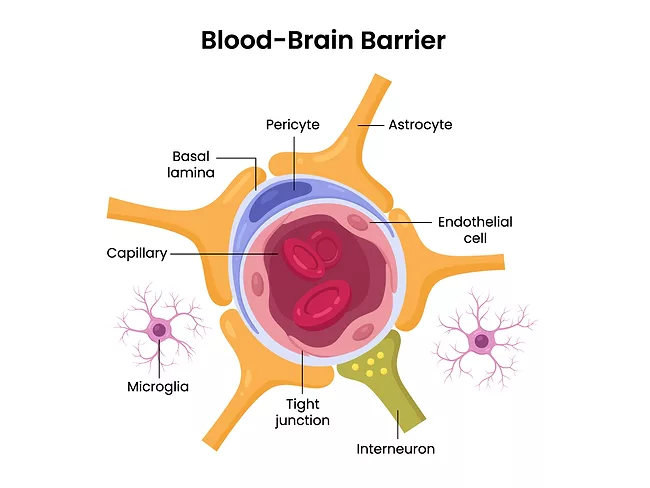
Researchers from the Medical University of South Carolina report the development of novel genetic mouse models that enable pericyte chemogenetic modulation, which could reduce neuronal damage and cognitive decline in Alzheimer’s disease.
Jiangsu Hansoh Pharmaceutical Group Co. Ltd. and Shanghai Hansoh Biomedical Co. Ltd. have discovered heterocyclic carbonyl derivatives acting as muscarinic M4 receptor agonists potentially useful for the treatment of pain, substance abuse and dependency, schizophrenia, Alzheimer’s disease and sleep disorders.
Beijing Innocare Pharma Tech Co. Ltd. has gained IND clearance in China to conduct clinical trials of ICP-538, an orally administered molecular glue degrader targeting VAV1, which is a key protein downstream of T-cell and B-cell receptors. ICP-538 is being studied for the treatment of autoimmune diseases, such as inflammatory bowel disease, systemic lupus erythematosus and multiple sclerosis.
Vesalic has characterized a systemic metabolic dysfunction that creates a toxic exosome cargo in amyotrophic lateral sclerosis (ALS) patients, which is carried to the CNS, where it binds to and damages neurons, yielding a novel druggable target against the disease.
TMEM97 regulates microglial activation and neuronal stress pathways linked to neuropathic pain and neuroinflammation in multiple sclerosis (MS). Pharmacological targeting of TMEM97 has shown neuroprotective effects in models of traumatic brain injury, Huntington’s disease and retinal ganglion cell degeneration, and may reduce pain while preserving neuronal function.
Bayer AG’s oral factor XIa inhibitor asundexian significantly reduced ischemic stroke by 26% in patients following a noncardioembolic ischemic stroke or high-risk transient ischemic attack in the phase III Oceanic-Stroke study.
Laminins are extracellular matrix (ECM) glycoproteins that preserve the structural and functional integrity of tissues. These heterotrimeric proteins, composed of one α, β and γ chain encoded by different genes, provide mechanical support, facilitate cell adhesion and maintain tissue organization and stability.
 RSS
RSS