Sovargen Co. Ltd. inked a $550 million license deal with Angelini Pharma SpA, granting Angelini development and commercialization rights to SVG-105, a novel antisense oligonucleotide drug candidate in preclinical development as a potential treatment for intractable epilepsy.
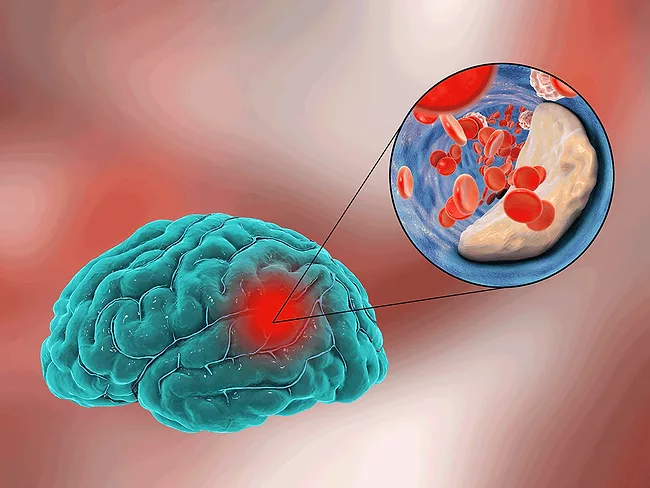
Although Argenica Therapeutics Ltd.’s stroke drug, ARG-007, saw mixed results in top-line phase II data, new data in functional outcomes studies showed signs the drug helped patients think more clearly, regain independence, and enjoy a better quality of life after stroke.
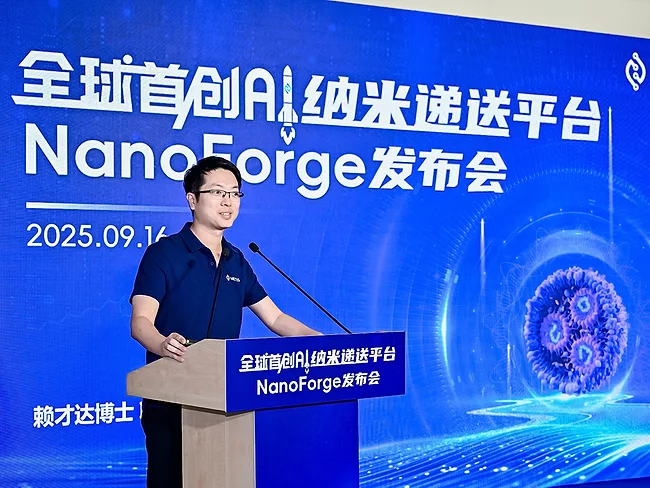
Based on positive phase III study results, Metis Techbio is planning to file an NDA for its AI-derived orally disintegrating tablet drug candidate for pseudobulbar affect, MTS-004, in China next year.
Maplight Therapeutics Inc.’s pricing of a $258.9 million financing this week revived the debate over whether targeting the M1 as well as the M4 muscarinic receptor – as Bristol Myers Squibb Co. does with U.S. FDA-approved Cobenfy (xanomeline and trospium chloride) for schizophrenia – is a better strategy than going after M4 alone.
Based on positive phase III study results, Metis Techbio is planning to file an NDA for its AI-derived orally disintegrating tablet drug candidate for pseudobulbar affect, MTS-004, in China next year.
Although Argenica Therapeutics Ltd.’s stroke drug, ARG-007, saw mixed results in top-line phase II data, new data in functional outcomes studies showed signs the drug helped patients think more clearly, regain independence, and enjoy a better quality of life after stroke.
Intellia Therapeutics Inc. followed up troubling news in May with a similar, and worse, update regarding the Magnitude and Magnitude-2 phase III trials with nexiguran ziclumeran, also known as nex-z, for patients with transthyretin amyloidosis with cardiomyopathy and polyneuropathy, respectively.
Researchers at Dankook University and Korea University Research & Business Foundation Sejong Campus have identified thiophene derivatives acting as lysine-specific demethylase 4C (KDM4C; GASC-1; JMJD2C) inhibitors reported to be useful for the treatment of Alzheimer’s disease.
The largest study ever conducted on light therapy for Parkinson’s disease has found that long-term use of Symbyx Biome Pty Ltd.’s non-invasive, at-home photobiomodulation (PBM) devices significantly improved mobility, anxiety, and overall symptom severity.
 RSS
RSS