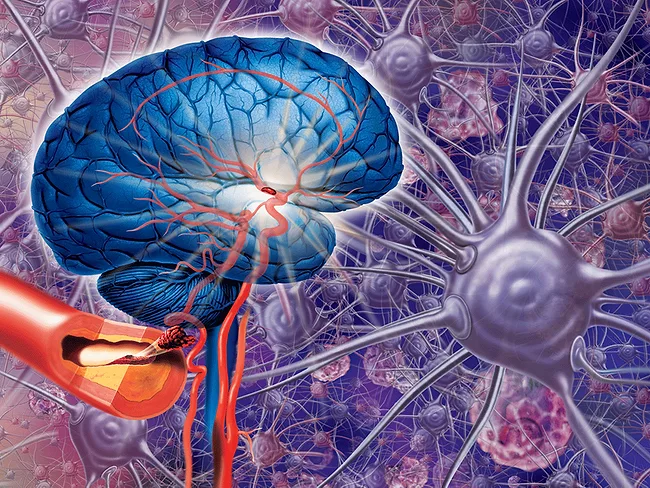
Solid phase III top-line results from a study in India for treating stroke with PMZ-1620 (sovateltide) have prodded Pharmazz Inc. to rethink its path to the clinic in the U.S. While the privately held company plans to apply for marketing authorization from the Indian Central Drugs Standard Control Organization, it also had planned to talk to the FDA about launching a phase II study. But since the new data are so solid, it may ask for an IND for a phase III study in the U.S., with the expectation that the number of participants would jump from 158 in the Indian study to as many as 400 to 500 participants in the U.S. and Europe, Anil Gulati, Pharmazz’s CEO and founder, told BioWorld.
Otsuka Pharmaceutical Co. Ltd. and Ai-Brainscience Inc. signed an exclusive sales agreement for Japan that will see Otsuka market Ai-Brainscience’s eye-tracking application to test for cognitive function. The eye-tracking app, AiBS-01, could become the first dementia diagnosis application to receive regulatory approval in Japan. Ibaraki, Japan-based Ai-Brainscience (AiBS) is developing devices that use the eye-tracking based cognitive assessment test to detect early dementia beyond the conventional assessment methods performed by specialists.
The recent online publication of findings from the University of Southern California ataxia working group called Enigma served to fuel more interest in the simmering drug development space of Friederichs’s ataxia (FRDA), where a handful of gene therapies and other approaches, plus one promising small-molecule treatment, are in the works.
Shares of Athersys Inc. fell sharply May 20 after its partner and top investor Healios K.K. reported that Multistem (invimestrocel), the experimental cell therapy they've co-developed since 2016, missed the primary endpoint of a Japanese phase II/III ischemic stroke study called Treasure. Many Athersys investors appeared to read the results as bad news for Athersys' ongoing pivotal phase III stroke study, Masters-2.

 RSS
RSS