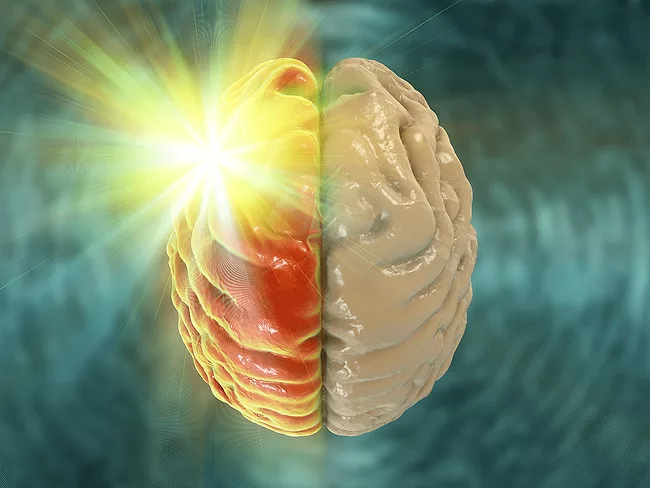
Ninnion LLC, a startup developing psychedelic medicines focused on brain injury, chronic pain, inflammation and addiction disorders, has formed a new scientific board (SAB) that Chief Development Officer Bill Massey said will ”be a tremendous asset in navigating the uncharted waters of psychedelic drug development."
Regenerative medicine company Sanbio Co. Ltd. submitted its BLA for its lead mesenchymal stem cell-based treatment, SB-623, to Japan’s Ministry of Health, Labour and Welfare for chronic motor deficit due to traumatic brain injury. The application was submitted through Japan’s Sakigake designation system.
Zogenix Inc.’s Fintepla (fenfluramine) cleared the U.S. FDA hurdle shortly after its March 25 PDUFA date, expanding the drug’s use in patients with Lennox-Gastaut syndrome (LGS) and validating UCB SA’s $1.9 billion acquisition of Emeryville, Calif.-based firm, which closed earlier this month.
Following another failure in amyotrophic lateral sclerosis (ALS), Biogen Inc. will discontinue its development of antisense oligonucleotide BIIB-078 with partner Ionis Pharmaceuticals Inc. The stumble is part of a mega-collaboration the two companies began 10 years ago that has also yielded a lot of success, including the blockbuster Spinraza (nusinersen).
Investors didn’t respond well to the U.S. FDA’s briefing document for the March 30 advisory committee meeting on Amylyx Pharmaceuticals Inc.’s amyotrophic lateral sclerosis (ALS) candidate. Shortly after the materials for the adcom were posted Monday, Amylyx (NASDAQ:AMLX) dropped from a morning high of $25.68 per share to an all-time low of $10.49 in the heaviest trading since the company went public in January. With share volume exceeding 15 million, Amylyx rebounded somewhat, ending the day at $16.01, down nearly 36% from its March 25 close of $25.
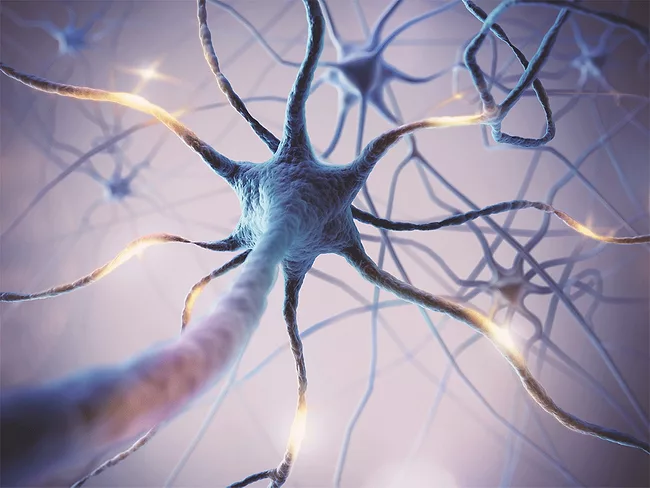
A multidisciplinary team of scientists has discovered the mechanism that controls synaptic pruning of new neurons in the adult brain. The team discovered that microglial cells control the number of synapses by "eating" excessive synapses.
 RSS
RSS