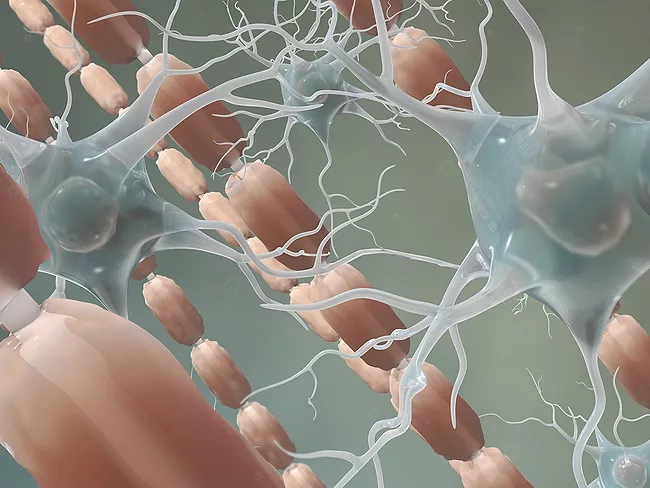
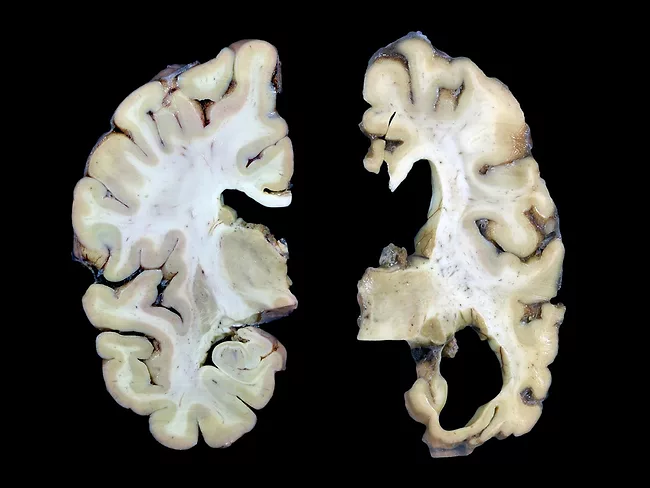
Researchers at the University of South Florida have focused on the demyelination hallmark of traumatic brain injury (TBI) and have tested a liver X receptor (LXR) agonist, GW-3965, for the potential treatment of it. Activation of LXRs is known to support oligodendrocyte maturation, increase myelin gene expression and promote remyelination.
Whether by fine-tuning neurotransmitter signaling or silencing disease-associated genes, emerging biologic therapies are reshaping neuroscience drug development, according to presentations at the FENS Forum 2026.
At the recently opened FENS Forum 2026 in Barcelona – the Federation of European Neuroscience Societies’ flagship congress and Europe’s largest neuroscience meeting – a symposium on ectodomain shedding showcased how soluble synaptic proteins are emerging as both biomarkers and therapeutic candidates for disorders ranging from autism to schizophrenia.
Neuracle Medical Technology Co. Ltd. is seeking a Shanghai IPO that could make it China’s first publicly listed invasive brain-computer interface (BCI) company, months after winning approval for the country’s first invasive BCI system.
Myelin is crucial for the correct functioning of nerve signaling and its loss is a feature of neurological disorders. The cells responsible for myelination in the CNS are oligodendrocytes (OLs), which derive from oligodendrocyte precursor cells (OPCs).
Mira Pharmaceuticals Inc. has reported results from preclinical studies evaluating an optimized oral formulation of SKNY-1, an oral drug candidate being developed for obesity and addiction-related disorders.
In a recent study, researchers from Washington University School of Medicine and collaborators analyzed cross-sectional blood samples to identify circRNAs associated with Alzheimer’s disease (AD) clinical status, amyloid-β and tau stages, and progression to symptomatic AD.
The majority of epilepsies are developmental disorders that start in childhood. But there is a large minority that starts in late adulthood. And increasingly, researchers are suspecting that such epilepsies share mechanisms with dementia. Summarizing the highlights of epilepsy research presented at the recent Annual Congress of the European Academy of Neurology (EAN), Aleksandar Ristic told his audience that the biggest epilepsy story out of the Congress was “not a drug, but it was a reframing.”
In Alzheimer’s disease (AD), 17β-HSD10 and CDK5/p25 contribute to neuronal dysfunction through distinct but interconnected pathways involving mitochondrial impairment and tau-mediated neurodegeneration, supporting their potential as complementary therapeutic targets.
Human biology is extraordinarily complex, and that sophistication emerges from the very beginning. During embryonic and fetal development, the organism’s architecture is shaped through the organization of tissues, the establishment of molecular pathways, and the coordination of signals that will later sustain the body as an integrated system. It is likely the most delicate stage of life, where any disturbance in that foundational process can have lasting consequences on health.
 RSS
RSS