Dysregulation of cholinergic neurotransmission through muscarinic receptors, particularly the M1 and M4 subtypes, has been implicated in the pathophysiology of schizophrenia. Muscarinic M4 receptor agonists and positive allosteric modulators (PAMs) have demonstrated the ability to modulate the disrupted neural circuits associated with this disorder.
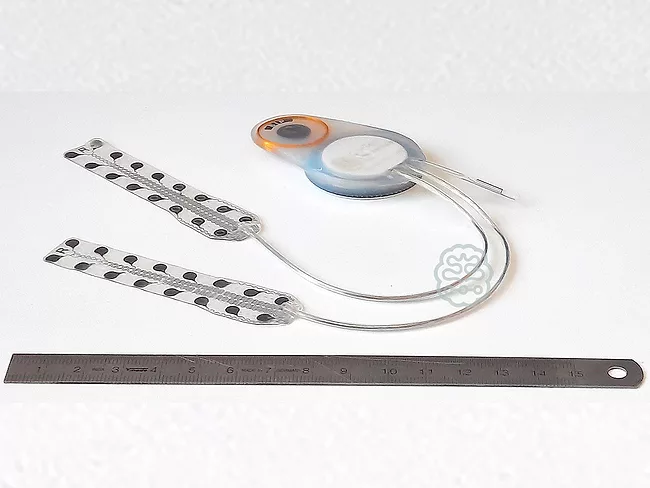
Cortec GmbH implanted its brain-computer interface (BCI) system, Brain Interchange, into a stroke patient in late July, joining a host of other companies conducting clinical trials of their BCI technologies to help people affected by neurological conditions recover lost function and improve their quality of life.
At the 2025 Alzheimer’s Association International Conference (AAIC), one of the bigger splashes was made by a cardiovascular drug. In a presentation on July 30, Newamsterdam Pharma Co. NV presented data showing that its cholesterol drug obicetrapib lowered levels of the Alzheimer’s Disease biomarker p-tau217.
An experimental gene therapy based on the prime editing technique could become an effective treatment for alternating hemiplegia of childhood, a severe and currently incurable rare disease. David Liu’s lab at the Broad Institute, the inventor of this gene edition methodology, together with scientists from The Jackson Laboratory, successfully reversed the effects of five mutations associated with this disorder in a mouse model.
Researchers from Insmed Inc. presented findings on INM-901, a novel synthetic cannabinoid analogue, demonstrating its effects in the 5xFAD mouse model of Alzheimer’s disease. Alzheimer’s disease is a progressive neurodegenerative disorder characterized by cognitive decline and sensorimotor impairments, with no available treatments that effectively halt disease progression.
Boston Scientific Corp. received CE mark certification under the Medical Device Regulation for its Intracept intraosseous nerve ablation system, bringing another treatment option to patients with chronic pain.
Yichang Humanwell Pharmaceutical Co. Ltd. has discovered nociceptin receptor (OPRL1; KOR3; ORL1) agonists reported to be useful for the treatment of pain.
Researchers from Iama Therapeutics Srl and the Italian Institute of Technology have prepared and tested solute carrier family 12 member 2 (SLC12A2; NKCC1) inhibitors reported to be useful for the treatment of complex regional pain syndromes, Alzheimer’s disease, Down syndrome, glioma, Rett syndrome, temporal lobe epilepsy, traumatic brain injury and obsessive-compulsive disorder.
Muna Therapeutics ApS has synthesized triggering receptor expressed on myeloid cells 2 (TREM2) agonists reported to be useful for the treatment of Alzheimer’s disease, inflammatory bowel disease, metabolic syndrome, multiple sclerosis, obesity, Parkinson’s disease, rheumatoid arthritis and stroke, among others.
Intracerebral hemorrhage accounts for 10%-15% of all cases of stroke, and it is associated with particularly poor prognosis due to primary and secondary brain injury driven by neuroinflammation. This inflammation involves the activation and subsequent pyroptosis, or lytic cell death, of microglia.

 RSS
RSS