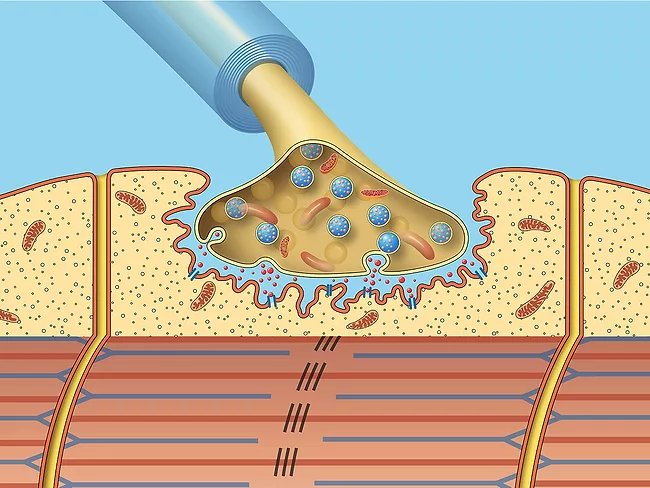
The Muscular Dystrophy Association (MDA)’s Kickstart program has announced receipt of both U.S. orphan drug and rare pediatric disease designations in support of work for congenital myasthenic syndrome caused by choline acetyltransferase (CHAT) gene deficiency. The FDA awarded the orphan drug designation to AVCHAT-01X (AAV serotype 9 human choline acetyltransferase).
Regenerative medicine company Orthocell Ltd. raised AU$17 million (US$11.28 million) to launch its nerve repair product, Remplir, in the $1.6 billion U.S. market.
Children with autism spectrum disorder (ASD) often must wait years before they get a diagnosis, and that wait time can result in missed opportunities for changing behaviors associated with autism.
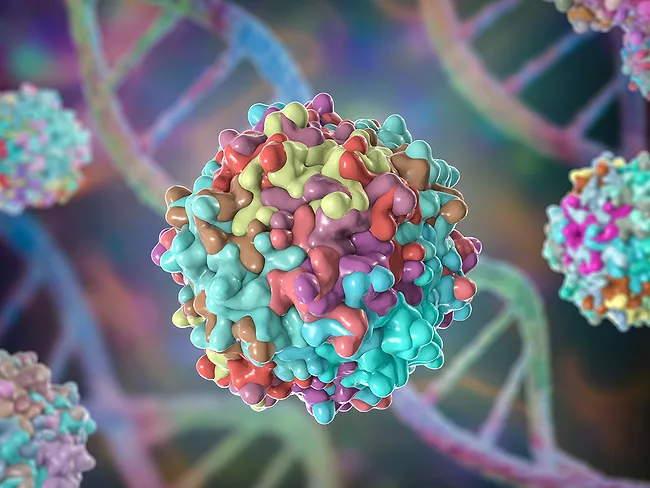
Privately held Dyno Therapeutics Inc. has added another notch to its adeno-associated virus (AAV) vectors development portfolio in a deal with the Roche Group that includes $50 million up front and ultimately could top $1 billion. Dyno will help in developing next-generation AAV vectors, optimized by artificial intelligence, to target neurological diseases.
Beijing Primegene Therapeutics Co. Ltd. has patented macrocyclic compounds acting as non-receptor tyrosine-protein kinase TYK2 (JH2 domain) allosteric inhibitors reported to be useful for the treatment of neurodegeneration, cancer and autoimmune disease.
The serotonin 5-HT2B receptor is widely expressed in the brain, including on serotoninergic, GABAergic and dopaminergic neurons, on astrocytes and microglia, and neuronal fibers of the frontal cortex and cerebellum.
The FDA has granted orphan drug designation to Modalis Therapeutics Corp.’s MDL-101, a novel epigenetic editing therapy being developed for the treatment of congenital muscular dystrophy type 1a (LAMA2-CMD), a severe, early-onset muscular dystrophy caused by the absence of the LAMA2 protein.
For a company that was running out of money, a missed phase III endpoint for its only development product knelled a death blow for Marinus Pharmaceuticals Inc., tanking its stock by 82%. The Radnor, Pa.-based company will no longer develop oral ganaxolone for seizures associated with tuberous sclerosis complex, or for any other indication, as it reduces its workforce and explores strategic alternatives.
Privately held Dyno Therapeutics Inc. has added another notch to its adeno-associated virus (AAV) vectors development portfolio in a deal with the Roche Group that includes $50 million up front and ultimately could top $1 billion. Dyno will help in developing next-generation AAV vectors, optimized by artificial intelligence, to target neurological diseases.
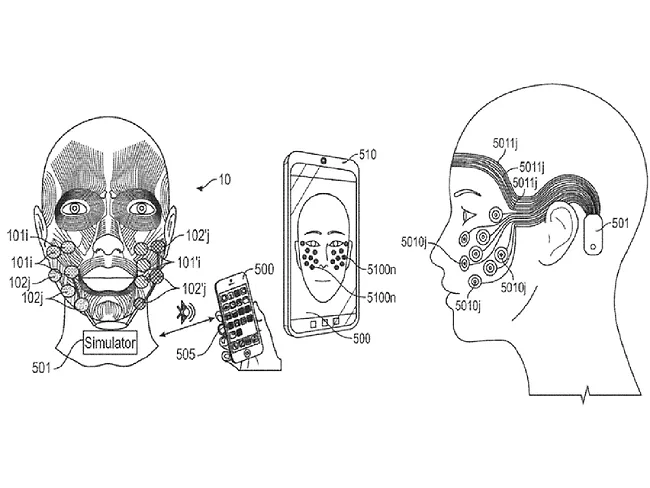
The first patenting from Neuro-Joy Ltd. details development of a device that electrically stimulates facial nerves and muscles in order to emulate a facial expression configured to ameliorate a mood disorder and improve symptoms of depression, anxiety and sleep disorders.
 RSS
RSS