The company has developed a method of transplantation of human hematopoietic stem cells that allows their engraftment and differentiation into microglial cells.
The biological processes giving rise to the central nervous system symptoms of long COVID remain a mystery. But multiple studies suggest they do not appear to be a result of a direct viral infection of brain tissue. The latest such research, which appeared online in Nature Neuroscience on Feb. 16, 2024, demonstrated that local immune response in brain tissues persisted long after SARS-CoV-2 virus had disappeared.
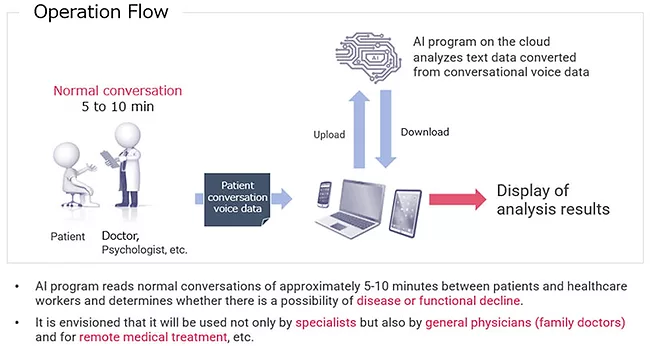
Shionogi & Co. Ltd. is partnering with Fronteo Inc. to develop artificial intelligence (AI)-based diagnostic tools to diagnose mental and neurological disorders more accurately.
Based on positive phase III study data, Applied Therapeutics Inc. plans to take its CNS-penetrant aldose reductase inhibitor to the U.S. FDA to talk about an NDA for treating the rare disease sorbitol dehydrogenase (SORD) deficiency. Interim data from 12 months of treatment showed govorestat (AT-007) hit the study’s primary endpoints along with several key secondary endpoints. The double-blind, placebo-controlled registrational study of patients ages 16 to 55 is ongoing, with another 12 months of data yet to come. SORD, a hereditary axonal neuropathy created by sorbitol dehydrogenase gene mutations, affects about 3,300 people in the U.S. and about 4,000 in Europe, according to Applied Therapeutics.
Nanjing Tian Yin Jian Hua Pharma Tech Co. Ltd. has disclosed receptor-interacting serine/threonine-protein kinase 1 (RIPK1; RIP-1) inhibitors acting as necroptosis inhibitors reported to be useful for the treatment of amyotrophic lateral sclerosis, ulcerative colitis, multiple sclerosis, psoriasis, rheumatoid arthritis and Alzheimer’s disease, among others.
Researchers from Mercer University have presented a middle cerebral artery/ferric chloride (MCA/FeCl3) thromboembolic mouse model of COVID-19-induced stroke and cerebrovascular complications.
Investigators at the National Institute of Diabetes and Digestive and Kidney Disorders (NIDDK) have used a gene-constrained analysis to identify nine new Alzheimer’s disease (AD) risk genes that are possibly linked to the higher prevalence of AD in people with African ancestry. One of those genes, GNB5, regulates the stability of certain G protein-signaling proteins, which are activated by G protein-coupled receptors (GPCRs). The authors showed that mice with only one copy of Gnb5 developed more amyloid plaques and tau tangles than those with two copies.
When founders of Latigo Biotherapeutics Inc. first set out a few years ago to establish a biopharma firm focused in the area of pain, the plan had been to get a head start by in-licensing promising assets in the space. But that proved easier said than done. “With the exception of very early chemical matter” from the Lieber Institute for Brain Development, “we really couldn’t find anything else of quality to bring in, which I think is a testament to how little pain research and investment was ongoing in pharma and academia,” said Sean Harper, co-founding managing director at Westlake Village Biopartners, which founded Latigo in 2020 and led the firm’s $135 million series A round.
South Korean biopharmaceutical firm GNT Pharma Co. Ltd. on Feb. 13 reported positive findings from a domestic phase III trial of its neuroprotectant therapy, nelonemdaz (NEU-2000), for patients with acute ischemic stroke.
 RSS
RSS