Vivoryon Therapeutics NV said it will conduct an in-depth analysis after reporting top-line data showing the phase IIb European Viviad study testing its oral small molecule, varoglutamstat, in patients with early Alzheimer’s disease missed statistical significance on the primary endpoint measuring changes in cognition over time. Investors, however, opted for a more immediate reaction, sending company shares (Euronext Amsterdam:VVY) plunging 90% March 4, to close at €0.80 (US87 cents)
Neurocode USA Inc. added Alzpath Dx, a blood test for Alzheimer’s disease screening, to its lab developed tests, making it the first available for commercial use in the U.S. The move stands to make screening for the neurodegenerative disease much more accessible, as recent study results indicate Alzpath’s accuracy rivals PET scans and cerebrospinal fluid tests, the current gold standards, in detecting the signature biomarkers of the disease.
Nextgen Bioscience Co. Ltd. describes new compounds acting as hypoxia inducible factor-1α (HIF-1α) or vascular endothelial growth factor receptor (VEGFR) inhibitors and reported to be useful for the treatment of stroke, cancer, obesity, asthma, glaucoma, inflammatory bowel disease, rheumatoid arthritis and Alzheimer’s disease, among others.
F. Hoffmann-La Roche Ltd. and Hoffmann-La Roche Inc. have identified new monoglyceride lipase (MGLL; MAGL) inhibitors reported to be useful for the treatment of pain, cancer, inflammatory bowel disease, endometriosis, asthma, mental diseases and neurological and renal disorders.
Semaphorin 3A signaling, through the plexin A1/neuropilin 1 (PLXA1/NRP1) receptor complex, is known to disrupt the differentiation and migration of oligodendrocyte precursor cells and mature remyelinating oligodendrocytes. Both semaphorin 3A and plexin A1 are up-regulated in the central nervous system of patients with multiple sclerosis.
Biovie Inc.’s double-barrelled blast of positive data with insulin sensitizer NE-3107 in Alzheimer’s disease (AD) and Parkinson’s disease (PD) launched shares (NASDAQ:BIVI) on a wild ride to close March 1 at $2.23, up 99 cents, or almost 80%, after trading as high as $3.31.
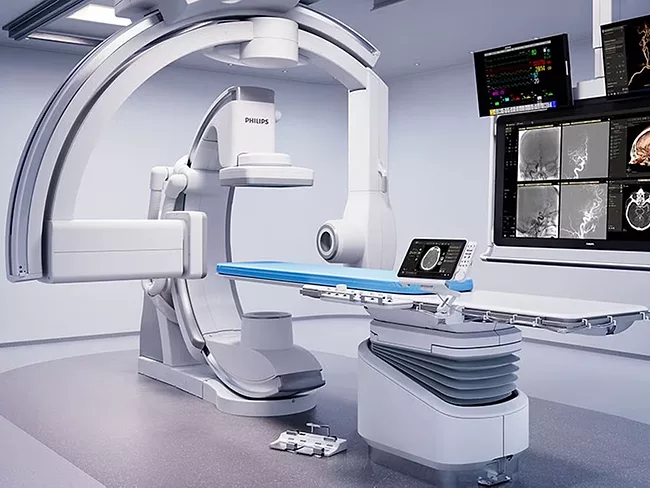
In a sign that Royal Philips NV is not letting the problems in its business in the U.S. stop its innovation, the company has launched the Azurion neuro biplane, a new image guided therapy system for patients suffering from stroke and other neurovascular diseases. It also teamed up with Syntheticmr AB and launched Smart Quant Neuro 3D, an AI imaging tool which will help health care professionals diagnose and assess brain disorders like multiple sclerosis, traumatic brain injury and dementia.

 RSS
RSS