Histoindex Pte Ltd. launched its laboratory-developed test for metabolic dysfunction-associated steatohepatitis (MASH), Fibrosight, in the U.S. as the company’s first in a suite of next-generation digital pathology solutions.
Allurion Technologies Inc. is cleared by regulators in France to resume sales of its swallowable gastric balloon to treat obesity, in the country. Last summer, the company withdrew the Allurion Balloon from the French market amid concerns about the safety of the weight loss device. The greenlight to relaunch the product is good news for Allurion given that France represents a sizeable portion of its market.
It’s one thing for the scientific community to propose a fundamental change to the way obesity is defined and diagnosed. But it’s another for that proposal to be adopted by regulators, especially when the current definition that relies primarily on the body mass index is entrenched in guidance and obesity drug development and approval.
While there is tremendous enthusiasm for GLP-1 drugs for use in obesity, and 80% of the U.S. population is eligible to use the therapies, tremendous obstacles continue to block their access. The blockages include high prices that consumers currently cannot afford coupled with employer health plans that don’t offer the new treatments.
GT Metabolic Solutions Inc. received U.S. FDA clearance for its Magdi bariatric surgery system. The system uses magnets to create side-to-side duodeno-ileal anastomosis without cutting intestinal tissue or leaving foreign materials in the body permanently.
Epitomee Ltd. happily swallowed the news of U.S. FDA clearance for its capsule for weight management, an ingestible medical device for adults who are overweight or obese. Designed for use along with diet and exercise, the capsule expands in the stomach to create a feeling of fullness that lasts up to six hours.
Focused on oral therapies for obesity, diabetes and rare diseases, Boston-based Syntis Bio Inc., which raised $15.5 million through seed funding last year, emerged from stealth to advance its synthetic tissue-lining technology and a pipeline of candidates.
Epitomee Medical Ltd submitted its application to the U.S. FDA for 510k regulatory clearance for its swallowable weight loss capsule. It joins a host of companies offering solutions to the global obesity crisis.
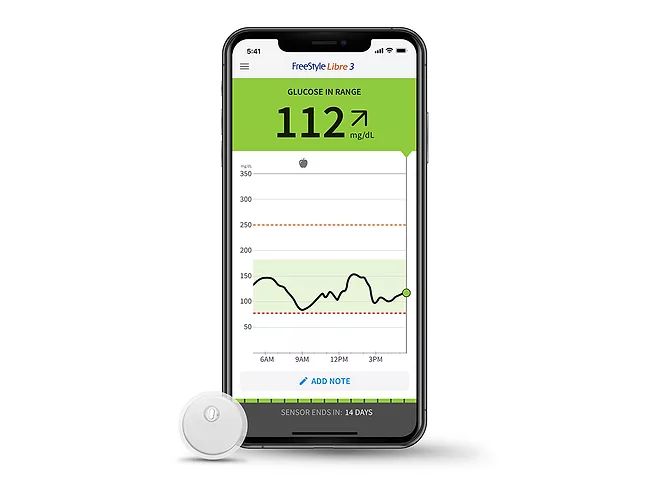
Roche AG debuted a new continuous glucose monitor (CGM) at the Advanced Technologies & Treatments for Diabetes conference in Florence, Italy, last week, but how appealing users will find it remains unclear – as is the market opportunity given the entrenched position of Abbott Laboratories and Dexcom Inc.
Reports of the death of the market for continuous glucose monitors in individuals with type 2 diabetes are greatly exaggerated, Abbott Laboratories studies show. Far from being unnecessary given the enthusiastic uptake of GLP-1 drugs, the devices significantly improve blood glucose control regardless of the drug used, duration of SLP-1 therapy or use of insulin, presentations at the International Conference on Advanced Technologies & Treatments for Diabetes in Florence, Italy, demonstrated.
 RSS
RSS