A next-generation triple incretin therapy jointly developed by Novo Nordisk A/S and China’s United Biotechnology outperformed semaglutide in a phase II trial, signaling intensifying competition in the GLP-1 obesity and diabetes market.
Apparently put off by data with a higher dose, investors in Wave Life Sciences Inc. backed away after the company rolled out data from the phase I portion of its first-in-human Inlight trial evaluating 250 mg of WVE-007, an INHBE GalNAc-siRNA prospect, in otherwise healthy overweight or obese adults.
In a sea of uncertainty, a large-scale, long-term Swedish study is the first to show that people using GLP-1 receptor agonists are less likely to have worsening mental illness. The study involved a national cohort of 95,490 people diagnosed with depression or anxiety disorder, who also were treated with any diabetes drug (apart from insulin).
Further weight loss details are yet to come this year, but Eli Lilly and Co. scored positive top-line results in Transcend-T2D-1, a phase III trial evaluating the efficacy and safety of retatrutide, an investigational first-in-class GIP, GLP-1 and glucagon triple hormone receptor agonist, as an adjunct to diet and exercise in type 2 diabetes (T2D).
Atrogi AB is making a bid for a slice of the obesity market and has dosed the first overweight subjects with ATR-258, an oral therapy it says mimics the effects of exercise, driving loss of fat whilst sparing muscle.
The GLP-1 fight has moved from injectables to pills, and Structure Therapeutics Inc. is in the ring with phase III-ready aleniglipron. According to the Bay Area biotech, its oral once-daily glucagon-like peptide-1 (GLP-1) drug candidate, aleniglipron, demonstrated an absolute weight loss of “up to 39 pounds” in the 44-week Access II trial.
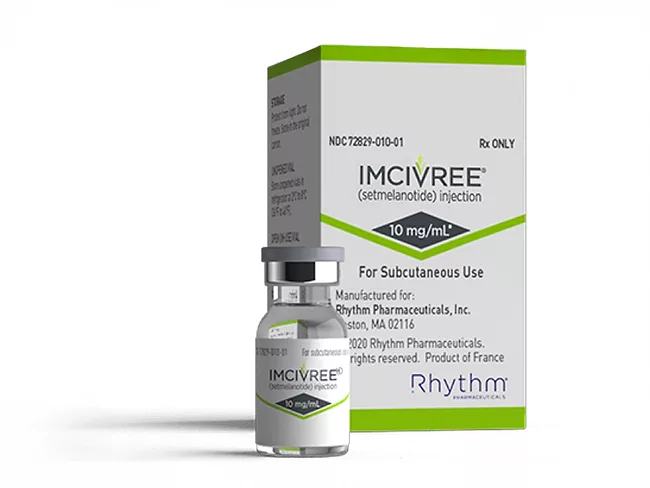
Low expectations for Rhythm Pharmaceuticals Inc.’s phase III study dubbed Emanate with Imcivree (setmelanotide) in a handful of rare genetic obesities meant hardly any share price consequence, and the stock (NASDAQ:RYTM) closed March 17 at $87.68, down $2.83. “We’re not going to file [for approval] on any of these,” CEO David Meeker said, but the latest findings together represent “a solid building block going forward,” he added.
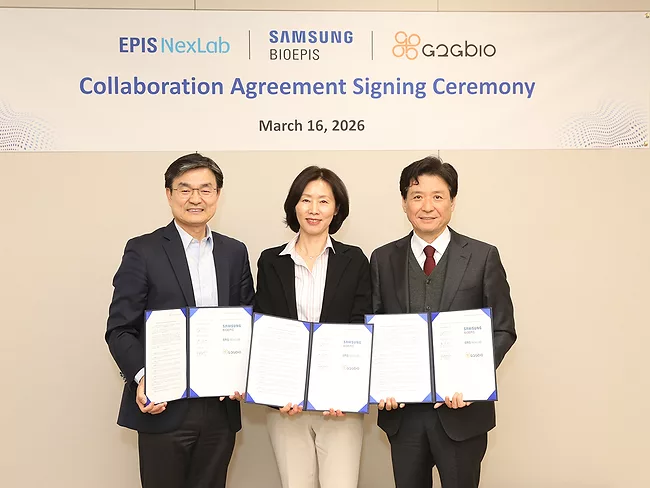
G2Gbio Inc. secured a ₩20 billion (US$13.35 million) investment from Samsung Epis Holdings Co. Ltd. and a joint research and license agreement for two assets, including a long-acting obesity treatment, with subsidiary Samsung Bioepis Co. Ltd. March 16.
G2Gbio Inc. secured a ₩20 billion (US$13.35 million) investment from Samsung Epis Holdings Co. Ltd. and a joint research and license agreement for two assets, including a long-acting obesity treatment, with subsidiary Samsung Bioepis Co. Ltd. March 16.
Investors looking for midteen percentage weight loss findings in Zealand Pharma A/S’s phase II study of once-weekly amylin analogue petrelintide were clearly disappointed by the actual 10.7% mean body weight reduction, as shares (Copenhagen:ZEAL) fell 36% March 6. But from the company’s standpoint, the combination of efficacy and safety data from the Zupreme-1 study bode well for a phase III trial expected to start later this year.
 RSS
RSS