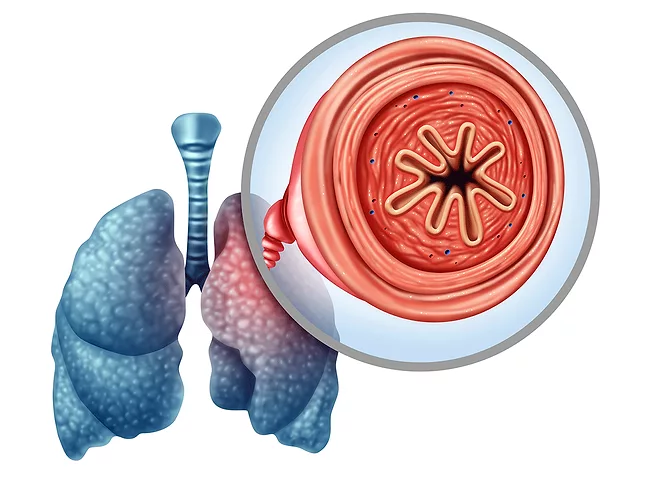
Recently launched Irish startup Phyxiom Ltd. hopes that its digital health platform will transform the clinical outcomes for patients with asthma and chronic obstructive pulmonary disease. By providing clinicians with real-time insights into lung function and medication adherence, the platform improves diagnosis accuracy and treatment outcomes.
French vaccines specialist Osivax SAS has been awarded $19.5 million by the U.S. Biomedical Advanced Research and Development Authority (BARDA) to fund work on its universal influenza A vaccine.
Chinese researchers have developed a new a circulating exosomal proteomic biomarker signature that may aid in the diagnosis of interstitial lung disease (ILD) in combination with computed tomography. Exosomes may contribute to lung disorders by carrying cargoes that promote inflammatory responses in immune and lung epithelial cells. The assay was performed in a case-control biomarker study; exosomes from 168 serum samples were extracted and submitted to proteomic analysis.
Bronchopulmonary dysplasia (BPD) is a common morbidity in infants born prematurely and characterized by airway hyperreactivity and adverse neurodevelopmental sequelae in surviving infants; therapeutic options are evasive and glucocorticoids are mostly used during the disease but with limitations. Researchers from Ayuvis Research LLC have recently published results on a Toll-like receptor 4 (TLR4) antagonist, AVR-48, for the potential treatment of BPD.
The frontiers of xenotransplantation have been further extended with a pig-to-human lung transplant, the first time an organ that is directly exposed to the external environment – with the associated risk of respiratory pathogens – has been transplanted. The genetically modified pig lung remained viable and functional for nine days, after it was transplanted into a 39-year-old man who was declared brain dead following a hemorrhagic stroke.
Despite having lower smoking habits than other groups in the U.S., Black Americans are more likely to develop lung cancer, and their survival rates are significantly worse. What explains this disparity? Scientists at Vanderbilt University Medical Center have analyzed the genetics of their African ancestry in search of risk genes related to the disease and tobacco use. The results reveal new risk factors and confirm the presence of genetic variants that may contribute to the greater impact of lung cancer in this population.
Deficiencies in interferon-stimulated gene 15 (ISG15), a protein that normally regulates the immune response, causes mild but persistent inflammation. However, its absence also provides an unexpected advantage by increasing resistance to viral infections. Inspired by this condition and using mRNA technology, scientists at Columbia University and the Icahn School of Medicine at Mount Sinai have developed a broad-spectrum antiviral platform.
Deficiencies in interferon-stimulated gene 15 (ISG15), a protein that normally regulates the immune response, causes mild but persistent inflammation. However, its absence also provides an unexpected advantage by increasing resistance to viral infections. Inspired by this condition and using mRNA technology, scientists at Columbia University and the Icahn School of Medicine at Mount Sinai have developed a broad-spectrum antiviral platform.
Quoted technology commercialization company Puretech Health plc is scouting for third parties to fund phase III development of deupirfenidone, after spinning the respiratory drug into a new startup, Celea Therapeutics.
 RSS
RSS