LONDON – The search for modulators of the immune cascade that is the cause of the most severe respiratory symptoms of COVID-19 is intensifying, with Cyclacel Pharmaceuticals Inc. and Pharming Group NV adding their drugs to the list of repurposing projects.
PERTH, Australia – The Australian Government is providing AU$13 million (US$8 million) to fast-track research into treatments for COVID-19, and a number of promising candidates are about to enter the clinic.
Both ballyhooed and questioned as a potential savior from COVID-19, hydroxychloroquine is about to get a high-profile test by Basel, Switzerland-based Novartis AG. The company has reached an agreement with the FDA to run a phase III trial evaluating the drug for the treatment of hospitalized patients with COVID-19, with enrollment of 400 patients beginning within weeks and results to be reported as soon as possible.
The push in Congress to drive down U.S. prescription drug costs has taken a backseat to all things COVID-19, but that reprieve for drug companies may be about to end as freshman members of the House urge their leaders to include drug pricing proposals in the next coronavirus relief bill.
Public drug and device companies may want to think twice before eagerly jumping on the COVID-19 bandwagon with announcements overselling their efforts to develop or repurpose products to treat patients infected with the coronavirus.
The FDA approved Urogen Pharma Ltd.’s mitomycin gel, an orphan drug branded Jelmyto, on April 15, offering patients the first non-surgical option for low-grade upper tract urothelial cancer (LG-UTUC) and granting the Princeton, N.J.-based company with its first marketed product.
Nearly 40 years on, the generic drug market is often lauded as an American success story. But a closer inspection reveals such back-patting ignores the potential for serious public health risks caused by ongoing shortages in the generic drug supply. It also ignores quality issues and lingering physician and patient doubts about generics, especially those made in other countries.
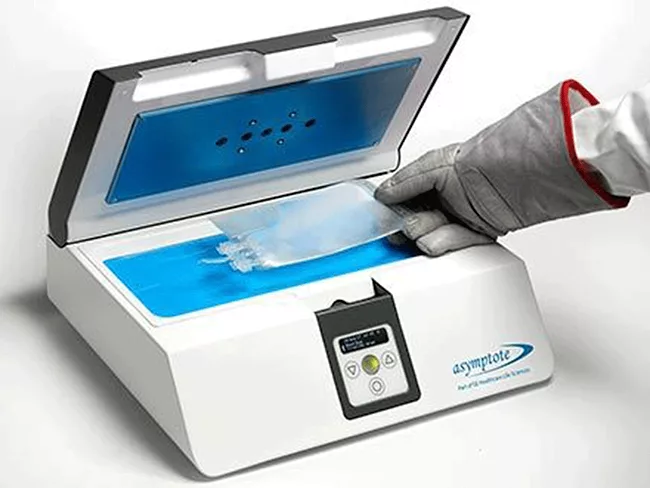
LONDON – These are hardly times for a fanfare, but this month saw the unveiling of a new name in bioprocessing, following the formal closing of the $21.4 billion sale of GE Healthcare’s Life Sciences to Danaher Corp. The business, now renamed Cytiva, has turnover of $3.3 billion, nearly 7,000 employees and operations in 40 countries. More than 75% of FDA-approved biologic drugs use its products in their manufacture.
Princeton, N.J.-based Urogen Pharma Ltd. is transforming itself into a commercial operation in anticipation of an FDA approval for UGN-101 this week. Wall Street also apparently expects a positive decision by the April 18 PDUFA date, as listed in BioWorld’s Drugs on Deck record. Urogen’s stock (NASDAQ:URGN) has climbed 40% since the month began, and 11.31%, or $2.41, on April 13, closing out the day at $23.71.
DUBLIN – At the best of times, drug development is, of course, a complex problem. It is all the more demanding still in the middle of a pandemic, when the threat to human life is increasing exponentially, and health care systems are buckling under an extraordinary burden. Optimizing the development of drugs and vaccines in order to quickly generate high-quality evidence of their safety and efficacy is, therefore, a critical task, but an online webinar organized by the drug development consultants Certara LP, in conjunction with the Bill and Melinda Gates Foundation, suggested that, at this stage of the crisis, that lesson has yet to be absorbed.

 RSS
RSS