Excalipoint Therapeutics Inc. launched with an oversubscribed $68.7 million seed financing round to advance a portfolio of T-cell engagers for solid tumors, marking one of the largest early stage financings in China biotech history.
Alloy Therapeutics Inc. has entered into an agreement with Abbvie Inc. to develop a new antibody platform to discover antibodies against targets that are difficult to address with current technologies.
Acumen Pharmaceuticals Inc. has announced a $35.75 million private placement to advance molecules from its amyloid-β oligomer-selective Enhanced Brain Delivery (EBD) portfolio for the treatment of Alzheimer’s disease.
Mestag Therapeutics Ltd. has raised a $40 million round from existing investors as it completes final preparations for its lead program MST-0312 to enter clinical development in mid-2026. MST-0312 is a bispecific antibody aimed at the lymphotoxin-β receptor (LTBR), which is essential for the development of lymphoid tissues.
Akeso Inc.’s first-in-class trispecific antibody, AK-150, has received IND clearance from China’s National Medical Products Administration (NMPA) for clinical trials in patients with advanced solid tumors. Engineered using Akeso’s AI-driven drug discovery platform and its proprietary Tetrabody technology, AK-150 is a humanized anti-CSF-1R, ILT2 and ILT4 trispecific antibody that achieves multipathway blockade of both innate and adaptive immunity.
The signaling axis orchestrated by OX40L-OX40 is a T-cell costimulatory pathway implicated in multiple autoimmune diseases, such as atopic dermatitis (AD). Antibodies targeting this pathway have proven useful at treating AD in the clinical setting. Earendil Labs recently presented data regarding HXN-1021, an anti-OX40L antibody with potent activity and extended half-life, in vivo.
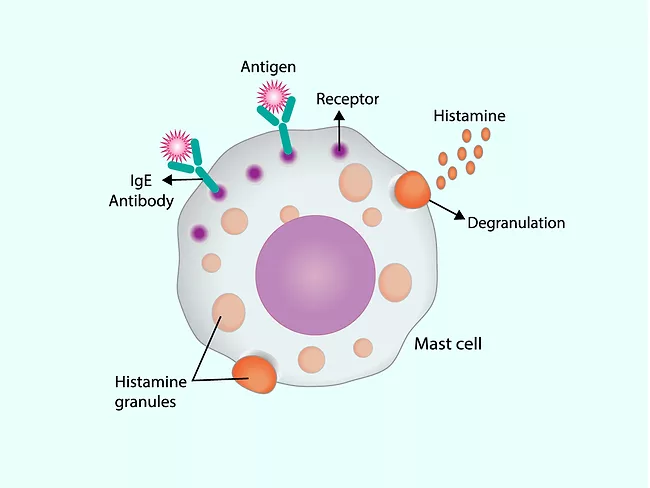
IgE is known to drive allergic disease, and omalizumab is the only approved anti-IgE antibody to date that has shown suboptimal IgE affinity and limited use in scenarios with high IgE levels.
Antiverse Ltd. has announced the close of a $9.3 million series A financing. The funding will support expansion of the company’s proprietary AI antibody design platform, accelerate development of its internal therapeutic pipeline, and advance lead antibody programs toward in vivo efficacy studies.
Broadly neutralizing antibodies (bNAbs) target conserved HIV envelope regions to neutralize diverse strains, eliminate infected cells and reduce viral reservoirs, complementing antiretroviral therapy and supporting prevention and functional cure strategies.
 RSS
RSS