Spyre Therapeutics Inc.’s striking “two for two” data on ulcerative colitis (UC) candidates, SPY-001 and SPY-002, drew applause from multiple analysts, putting eyes on the Boston biotech’s upcoming top-line data of anti-IL-23 antibody SPY-003 – the third biologic module in a six-strong inflammatory bowel disease (IBD) lineup.
Vedana Therapeutics has emerged from stealth with $46 million in series A financing. The company is developing next-generation, preventive therapies for migraine by leveraging pituitary adenylate cyclase-activating polypeptide (PACAP) biology, and highly selective combinatorial targeting of clinically validated pathways.
After raising HK$1.255 billion (US$160 million) in its IPO on the Hong Kong Stock Exchange earlier this month, Longbio Pharma Co. Ltd.’s lead candidate, LP-003, met the primary endpoint of total nasal symptom scores during peak pollen season in moderate to severe seasonal allergic rhinitis.
After raising HK$1.255 billion (US$160 million) in its IPO on the Hong Kong Stock Exchange earlier this month, Longbio Pharma Co. Ltd.’s lead candidate, LP-003, met the primary endpoint of total nasal symptom scores during peak pollen season in moderate to severe seasonal allergic rhinitis.
Researchers at Obleno Bio Inc. have reported preclinical efficacy data for LBL-051-S3, a trispecific T-cell engager antibody targeting CD3, CD19 and BCMA, in nonhuman primate models.
Chinese biotech Longbio Pharma Co. Ltd. announced its IPO on the Hong Kong Stock Exchange to raise HK$1.362 billion (US$174 million) to progress its lead candidate, LP-003, a next-generation anti-IgE antibody.
Pfizer Inc. is paying Innovent Biologics Co. Ltd. $650 million up front and up to $9.85 billion in milestones, plus royalties, to collaborate across 12 early stage and de novo antibody-drug conjugates (ADCs) and multispecific antibodies for oncology.
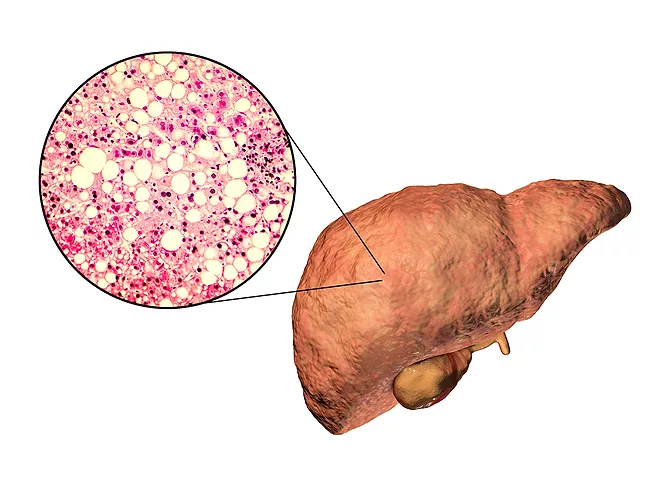
Researchers from Pilatus Biosciences SA recently presented preclinical efficacy data for PLT-012, a humanized IgG4 antibody targeting CD36, in metabolic dysfunction-associated steatohepatitis (MASH) models.
Pfizer Inc. is paying Innovent Biologics Co. Ltd. $650 million up front and up to $9.85 billion in milestones, plus royalties, to collaborate across 12 early stage and de novo antibody-drug conjugates (ADCs) and multispecific antibodies for oncology.
Chinese biotech Longbio Pharma Co. Ltd. announced its IPO on the Hong Kong Stock Exchange to raise HK$1.362 billion (US$174 million) to progress its lead candidate, LP-003, a next-generation anti-IgE antibody.
 RSS
RSS