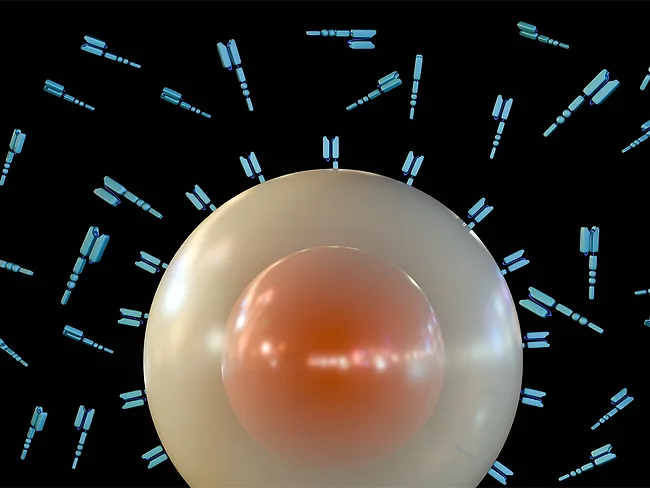
The field of cell and gene therapy is moving toward a new phase of scalability and clinical durability, with in vivo chimeric antigen receptor (CAR) T-cell therapeutics emerging as the dark horse in what speakers at BIO Asia-Taiwan 2026 described as CAR T’s second revolution.
SL Science Holding Ltd. has submitted an orphan drug designation request to the FDA for its γδ T-cell therapy product, Vδ2+ γδ T cells, for the treatment of glioblastoma multiforme.
A new strategy based on regulatory T cells (Tregs) engineered with chimeric antigen receptors (CARs) has shown that cell therapies can be directed against soluble allergens to control inflammation. The findings open a potential path toward the development of antigen-specific cell therapies for allergies caused by pollen, food allergens or dust mites.
Immorta Bio Inc. has developed so-called Personalized Mesenchymal Stem Cells (pMSC), a type of autologous stem cells that can be produced in an “age-specific” way by controlling the extent of differentiation during generation from pluripotent stem cells.
Two papers published in the July 1, 2026, issues of Nature and Nature Cancer have reported on preclinical and early clinical data with glycoprotein nonmetastatic melanoma protein B (GPNMB)-targeting CAR T cells in two separate solid tumor types.
Orca Bio Inc. is bringing to market a precision-engineered cell therapy approach designed to improve outcomes in patients with hematologic malignancies undergoing allogeneic hematopoietic stem cell transplantation (HSCT) following U.S. FDA approval of Tregzi, a first-of-its-kind, personalized cell therapy.
Researchers at Duke University have demonstrated that retinal endothelial cells (RECs) generated from human pluripotent stem cells can restore retinal vascularization in a preclinical model of ischemic retinal injury.
Merck KGaA has agreed to buy Bio-Techne Corp. for an enterprise value of approximately $11.3 billion, in a bid to strengthen its life sciences business. The company is offering $73 per share in cash, a 36% premium to Bio-Techne's one-month volume-weighted average trading price, and a 24% premium to the company’s previous close on June 24. The deal will expand Merck’s position in multi-omics, spatial biology, cell and gene therapy, precision diagnostics and advanced research tools.
 RSS
RSS