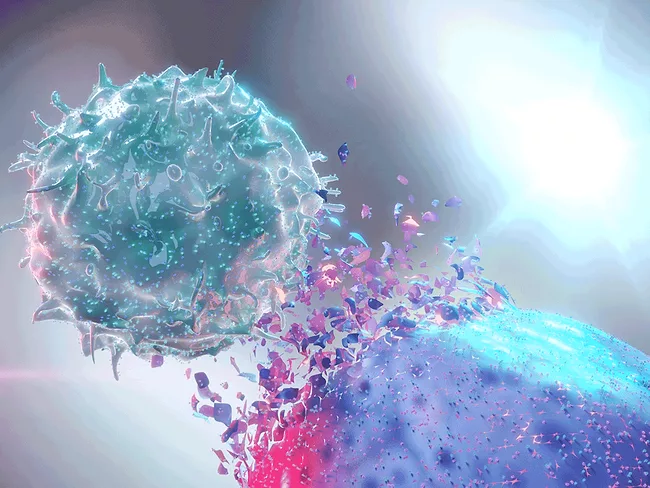
CRISPR-based cell therapies continued to gain steam Sept. 27 with the announcements of a potentially valuable big pharma collaboration and an ambitious global regulatory push.
Synthetic cells (SCs) armed with recombinant growth factors could contribute to tissue regeneration and healing by promoting angiogenesis. This technology opens the door to its application in other therapies such as transplants that require the remodeling or formation of new blood vessels. In addition, they mark the way to produce intracorporeal biological drugs or the inhibition of the angiogenesis process itself when it comes to blocking the irrigation of a tumor.
Immune checkpoint inhibitors are useful for the treatment of solid tumors, but in many tumors, only partial response is achieved. The antitumoral efficacy of Enlivex Therapeutics Ltd.'s Allocetra-OTS, a cellular therapy, was investigated in animal models of solid tumors.
Neukio Biotherapeutics Co. Ltd. has raised $50 million to support preclinical validation and clinical development of new cell therapies for cancer. The series A-1 round was led by CD Capital, Beijing Alwin Asset Management Co. Ltd. and Surplus Capital, with contributions from previous investors Lilly Asia Ventures, Sherpa Healthcare Partners Co. Ltd., and IDG Capital.
Chimeric antigen receptor T-cell therapies and mRNA-based vaccines represent two of the most significant new modalities to gain regulatory approval in the past decade. Capstan Therapeutics Inc. has emerged from stealth with bold ambitions to combine these two approaches in mRNA-programmed cell therapies that will be generated in vivo from patients’ endogenous cells. It has so far secured $165 million in equity funding to pursue that vision.
Scientifically at least, the biggest story coming out of the European Society for Medical Oncology (ESMO) 2022 Congress is the success of cell therapy in solid tumors. “During this ESMO, there is a lot of novelty coming from T-cell therapies,” John Haanen told the audience at his joint keynote speech with Ton Schumacher – so much so that Haanen and Schumacher, both group leaders at the Netherlands Cancer Institute, left antibodies out of their keynote session in order to do justice to the advances in cell therapies.
Arsenal Biosciences Inc. closed on an oversubscribed $220 million series B financing so it could continue developing its programmable cell therapy research programs and its candidates for treating solid tumor malignancies. Arsenal’s lead program is AB-1015 for treating ovarian cancer.
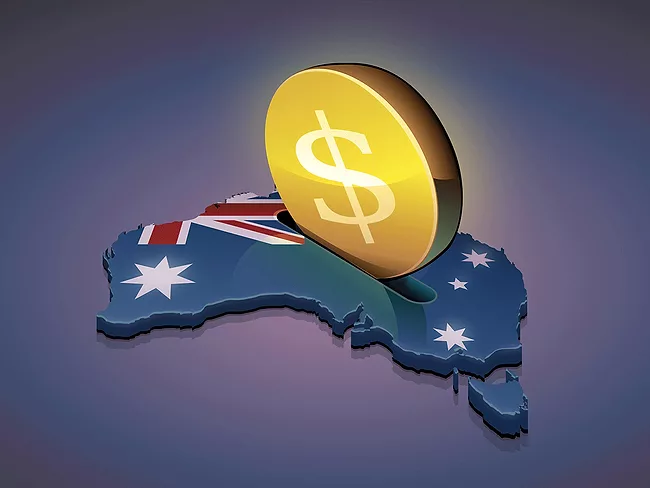
The University of Sydney is investing AU$478 million (US$326.5 million) to build a leading biomedical precinct to fast-track research and shorten the time between discovery and development of transformative therapies.
The University of Sydney is investing AU$478 million (US$326.5 million) to build a leading biomedical precinct to fast-track research and shorten the time between discovery and development of transformative therapies.
 RSS
RSS