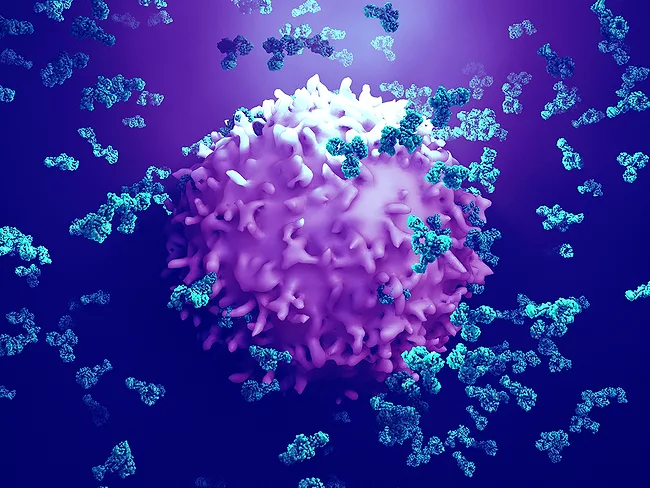
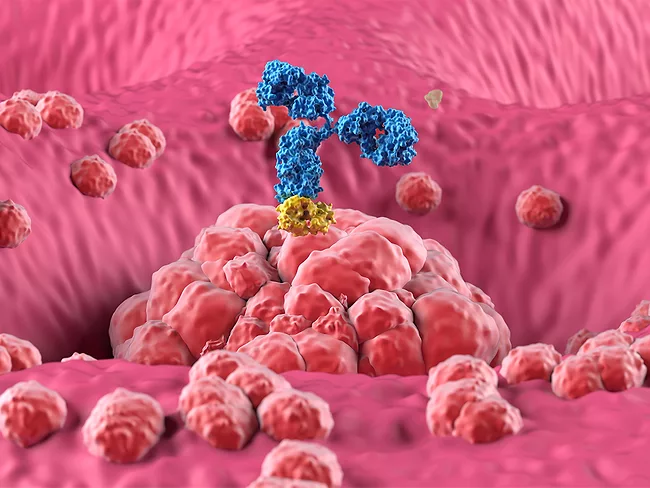
Oxford Biotherapeutics Ltd. has entered into a multiyear, multitarget strategic collaboration with GSK plc to discover novel antibody-based therapeutics for the treatment of cancer.
Akari Therapeutics plc has released new preclinical data indicating the therapeutic potential of AKTX-101 in pancreatic cancer driven by KRAS mutations. AKTX-101 is an antibody-drug conjugate (ADC) that delivers a novel RNA spliceosome modulating payload, PH1, into cancer cells that express TROP2.
Immutep Ltd.’s stock surged 31% on Tuesday morning following the news that it out-licensed rights to Dr. Reddy’s Laboratories Ltd. to develop and commercialize eftilagimod (IMP-321, efti) in selected territories in a deal worth AU$528.4 million (US$349.5 million).
Genome & Co. has divulged antibody-drug conjugates consisting of antibodies targeting basal cell adhesion molecules (BCAM) covalently linked to a cytotoxic drug through a linker reported to be useful for the treatment of cancer.
Investigators from Secarna Pharmaceuticals GmbH & Co. KG recently presented data for their antisense oligonucleotide (ASO) SECN-15 that targets and downregulates the expression of neuropilin-1 (NRP1), a transmembrane co-receptor that promotes tumor progression in several tumor types, including breast and gastric cancers.
Evidence suggests the composition of the gut microbiome modulates a tumor’s response to therapy. Maat Pharma SA has thus developed Microbiome Ecosystem Therapies (METs) that replicate, at a large scale, the effects of the gut microbiome in people who respond to immune checkpoint inhibitor (ICI) therapy.
Researchers from the Wuhan Institute of Virology and collaborating institutions aimed to shed light on the physiological role of mesothelin (MSLN) and to identify antibodies that directly inhibit its function in tumor progression.
Laigo Bio BV has raised €11.5 million (US$13.7 million) in a seed round for the further development of a new approach to inducing targeted protein degradation by E3 ubiquitin ligases.
Lanova Medicines Ltd. has synthesized antibody-drug conjugates (ADCs) comprising antibodies targeting sialyl-Tn antigen (STn) linked to an exatecan derivative through a linker reported to be useful for the treatment of cancer.
Avencell Therapeutics Inc. has received clinical trial clearances from the FDA and EMA to conduct a phase I/II trial (Quadvance) of AVC-203 for the treatment of relapsed or refractory B-cell malignancies.
 RSS
RSS